

Magic Cube LED Display: Revolutionizing Visual Communication with 3D LED Technology
The Magic Cube LED Display represents a groundbreaking innovation in the arena of visual communication, integrating three-dimensional LED technology to elevate display environments across commercial, entertainment, and public spaces. As an experienced LED display engineer with comprehensive involvement in LED and LCD screen manufacturing, I bring forth an in-depth analysis of this cutting-edge technology, its technical specifications, and its real-world applications.
Understanding the Magic Cube LED Display Technology
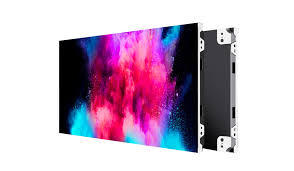
Traditional LED displays are predominantly two-dimensional, limiting the scope of immersive user engagement. The Magic Cube LED Display breaks through this boundary by embracing 3D volumetric display techniques, often arranged in cubic configurations, combining multiple LED panels layered or integrated seamlessly. This design produces a dynamic, spatially rich visual effect that offers viewers an unparalleled sense of depth and realism.
The core technology revolves around high-density SMD (Surface-Mounted Device) LED modules arranged in cubic arrays, which can be programmed to showcase images, animations, and videos in a 360-degree perspective. This approach differs fundamentally from flat screens by enabling content visibility from multiple angles, making it highly beneficial for applications such as retail showrooms, museums, trade shows, and digital signage.
Technical Parameters and Standards
For optimal performance, Magic Cube LED Displays are typically constructed using LEDs with pixel pitches ranging from 1.5 mm to 4 mm, balancing fine detail with visibility in various lighting conditions. The key technical parameters include:
- Pixel Pitch: 1.5 mm – 4 mm, delivering pixel density up to 444,444 pixels per square meter, suitable for high-resolution 3D content.
- Brightness: 1000 to 2500 nits, which ensures clear visibility even under ambient daylight conditions, critical for outdoor or illuminated indoor applications.
- Refresh Rate: ≥1920 Hz, reducing flicker and providing smooth motion rendering for video displays.
- Viewing Angle: Typically 120° horizontal and vertical, extended by the cubic configuration to provide full 360° visibility around the cube.
- Material & Durability: The housing and LED modules are manufactured using lightweight aluminum frames with IP65-rated protection for weather resistance when used outdoors (based on IEC 60529 standards).
- Control System: Utilizes advanced LED control software compatible with standard protocols such as Novastar or Colorlight, enabling real-time content management and remote updates.
Compliance with IEC 62368-1 safety standards ensures the hardware meets electrical safety requirements, an essential consideration in both indoor and outdoor deployments.
Practical Applications and Industry Impact
One compelling use case is in retail environments, where Magic Cube LED Displays are mounted either as suspended cubes or pedestal installations, attracting consumer attention with dynamic, eye-catching product advertisements. The 360° viewability enhances product showcasing and customer engagement, leading to higher footfall and sales conversions.
In museums and art galleries, the cubic LED panels facilitate the display of interactive 3D art installations and immersive visual storytelling, transforming visitor experiences. Likewise, in corporate settings, they serve as impactful communication tools for lobby displays or corporate events to enhance brand visibility.
The entertainment industry benefits greatly through live concerts and event staging, where Magic Cube LED Displays create spectacular immersive backdrops, controlled synchronously with sound and lighting, strengthening overall production value.
Installation and Maintenance Considerations
Given the complex 3D design, installation requires precise alignment and secure mounting to ensure structural integrity and consistency in display quality. Modular panel designs simplify transportation and servicing. Routine maintenance includes cleaning the LED surfaces and performing calibration checks using colorimetric devices to maintain brightness uniformity and color accuracy.
The use of energy-efficient LED chips (such as Nichia or Cree LEDs) not only delivers superior luminance but also reduces overall power consumption by up to 30%, contributing to lower operational costs—a significant advantage in large-scale deployments.
Future Trends and Technological Advances
The Magic Cube LED Display sector is poised for continued innovation with research focusing on integrating augmented reality (AR) capabilities and AI-based content adaptation to personalize viewer experiences dynamically. The evolution of micro-LED technology promises even higher resolutions and thinner profiles, enabling more versatile and immersive cubic displays.
Moreover, with the rise of metaverse-related visual solutions, Magic Cube LED Displays might play a pivotal role in creating hybrid physical-virtual environments, enhancing real-time interactivity and depth perception beyond conventional displays.
In conclusion, Magic Cube LED Displays are becoming a powerful medium reshaping how content is produced, delivered, and perceived. By combining advanced 3D LED technology, stringent industry standards, and creative applications, this technology delivers unmatched visual communication solutions that meet the growing demands of diverse sectors globally.
References:
1. LED Display Standards - International Electrotechnical Commission (IEC) 62368-1, IEC 60529
2. Novastar Control Systems Technical White Papers
3. Cree and Nichia LED Chip Specification Sheets (2023)
4. Display Technology Innovations, Society for Information Display (SID) Journal, 2023
5. Industry case studies published by AVIXA (Audiovisual and Integrated Experience Association)













