

Interactive LED Displays: Advanced Technologies and Applications in Modern Digital Signage
Interactive LED displays represent a significant evolution in the realm of digital signage, combining high-resolution visual performance with user engagement capabilities. As a professional LED display engineer with extensive industry experience, I will delve into the technical aspects, manufacturing standards, and practical applications of interactive LED displays, highlighting their importance in various sectors.
Understanding Interactive LED Displays
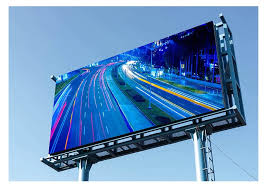
Unlike traditional LED screens used solely for visual output, interactive LED displays incorporate touch or gesture recognition technologies to enable real-time user interaction. This integration transforms passive viewing into dynamic engagement, enabling applications such as information kiosks, retail marketing, education, and entertainment.
Technical Parameters and Specifications
Key technical parameters define the performance and user experience of interactive LED displays:
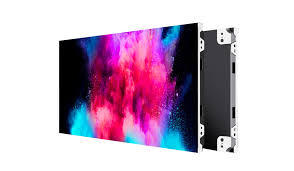
- Pixel Pitch: Ranges typically from 1.2mm to 4mm for indoor interactive screens, balancing high resolution for detailed content and cost efficiency. For outdoor installations, larger pixel pitches of 4mm to 10mm are common to maintain visibility at a distance.
- Brightness: Indoor interactive LED displays operate around 800–1500 nits, ensuring vivid images under ambient lighting conditions. Outdoor screens require higher brightness, often exceeding 5000 nits, to combat direct sunlight.
- Refresh Rate: High refresh rates of 1920Hz or above are essential to reduce flicker and ensure smooth interactions and motion display.
- Touch Technology: Capacitive touch sensors dominate due to their accuracy, multi-touch support, and durability. Infrared touch and optical sensing are also used, especially in larger or outdoor panels.
- Response Time: Critical for interaction fluidity, with high-end systems achieving response times under 10 milliseconds to deliver instantaneous feedback.
Manufacturing Considerations and Industry Standards
Producing reliable interactive LED displays requires adherence to international quality standards such as IEC 62368-1 for safety and ISO 9001 for quality management. The manufacturing process involves precise calibration of LED modules and touch sensors to ensure uniform brightness, color consistency, and touch accuracy.
Thermal management is another vital aspect; interactive panels generate heat from both LEDs and touch controllers. Effective heat dissipation techniques—such as heat sinks, forced-air cooling, and thermally conductive adhesives—are implemented to maintain stable operation and prolong lifespan, typically exceeding 100,000 hours at 50% brightness.
Case Studies and Applications
A leading retail chain deployed interactive LED displays with a 1.5mm pixel pitch and capacitive multi-touch capability to enhance customer engagement. These displays allowed shoppers to browse product catalogs, access detailed information, and participate in interactive promotions, resulting in a 30% increase in customer retention and sales.
Educational institutions utilize interactive LED walls to deliver immersive learning experiences. With precise gesture tracking and ultra-low latency, these installations support collaborative activities, remote conferencing, and multimedia presentations, reinforcing knowledge retention and student participation.
In public infrastructure, interactive LED kiosks with weather-resistant enclosures (rated IP65 or higher) operate reliably in outdoor environments, providing real-time transit information, wayfinding, and advertising, thus improving urban mobility and communication.
Trends and Future Directions
The integration of AI and machine learning algorithms with interactive LED displays facilitates adaptive content personalization and enhanced gesture recognition. Moreover, the emergence of micro-LED technology promises ultra-high resolution, energy efficiency, and thinner form factors, further expanding interactive display applications.
With 5G connectivity, real-time cloud-based content updates and analytics become feasible, enabling smarter, data-driven interactive signage networks.
Conclusion
Interactive LED displays stand at the intersection of advanced display technology and human-computer interaction, offering robust solutions for marketing, education, public services, and entertainment. Their sophisticated manufacturing processes, stringent adherence to industry standards, and evolving technology landscape make them an indispensable tool in the digital transformation era.
By understanding the critical technical parameters and deployment strategies, stakeholders can leverage interactive LED displays to create engaging, durable, and effective digital experiences.
References:
- International Electrotechnical Commission (IEC) standards: IEC 62368-1
- ISO 9001 Quality Management Systems
- LED Display Technology White Papers, Society for Information Display (SID)
- Case Studies from Novastar, Leyard, and Samsung LED Display Solutions
- "Interactive Digital Signage: Implementation and Use Cases," IEEE Transactions on Visualization and Computer Graphics, 2023













