

Advanced LED LCD Screen Manufacturing: Technical Insights and Industry Standards
In the rapidly evolving field of display technology, LED LCD screen manufacturing stands out as a critical domain that demands precision engineering, advanced material use, and strict adherence to quality standards. As a professional LED display engineer, with in-depth experience ranging from small-scale panels to large commercial displays, I will delve into key technical parameters, industry best practices, and quality benchmarks that define modern LED LCD screen production.
The core of LED LCD screens lies in the seamless integration of Light Emitting Diodes (LEDs) as a backlighting source combined with Liquid Crystal Display (LCD) technology, which modulates light to produce vibrant, sharp images. Unlike traditional CCFL (Cold Cathode Fluorescent Lamp) backlighting, LEDs offer superior energy efficiency, longer service life (typically exceeding 50,000 hours), and enhanced color rendering capabilities.
Technical parameters pivotal in LED LCD manufacturing include:
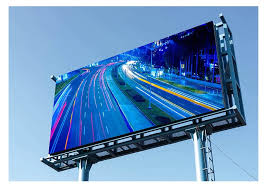
1. Resolution and Pixel Pitch – This determines image clarity. High-end displays typically offer Full HD (1920x1080 pixels) or 4K UHD (3840x2160 pixels) resolutions with pixel pitches as low as 0.5 mm for small consumer panels and up to 10 mm for larger, public-facing LED LCD displays. The precision in pixel placement is crucial to avoid color bleeding and ensure uniform brightness.
2. Color Gamut and Brightness – Adherence to standards such as Rec. 709 or DCI-P3 color spaces ensures accurate color reproduction. LED backlit LCDs typically achieve brightness levels ranging from 300 to 1500 nits, necessary to maintain visibility in diverse ambient lighting. For outdoor or direct sunlight applications, brightness can exceed 5000 nits, requiring advanced thermal management to prevent LED degradation.
3. Contrast Ratio and Response Time – High contrast ratios (>1000:1) are achieved through the use of advanced liquid crystal materials and local dimming technologies. Fast response times (under 5 ms) minimize motion blur, crucial for video and interactive applications.
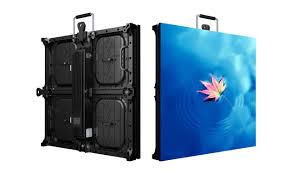
4. Thermal Management and Reliability – Effective heat dissipation mechanisms, including heat sinks and thermally conductive substrates, prolong LED lifespan and maintain consistency in performance. Reliability assessments follow standards such as IEC 62717 for LED modules.
Manufacturing processes emphasize clean room environments to mitigate particulate contamination, precision alignment techniques for LCD layers, and rigorous electrical testing to certify panel uniformity and defect rates below industry-acceptable thresholds (typically less than 0.01% dead pixels).
Notable advancements include the adoption of Mini-LED and Micro-LED technologies, which dramatically increase local dimming zones, enhancing contrast and HDR capabilities. These innovations align with emerging HDR (High Dynamic Range) standards like HDR10+ and Dolby Vision, increasingly demanded in premium consumer and professional displays.
Industry case study: A leading display manufacturer successfully integrated Mini-LED backlighting in their 27-inch 4K LCD panels, achieving peak brightness of 1500 nits with a contrast ratio surpassing 5000:1, complying with TCO Certified Display 9 standards for environmental and ergonomic criteria. The project underscored the critical role of precise LED binning and driver IC calibration to reduce flicker and ensure uniform brightness.
Standards organizations such as the International Electrotechnical Commission (IEC), Society for Information Display (SID), and Video Electronics Standards Association (VESA) provide crucial benchmarks and testing protocols, ensuring that LED LCD displays meet global safety, performance, and interoperability requirements.
In conclusion, LED LCD screen manufacturing is a multidisciplinary challenge involving expertise in materials science, optical engineering, electronics, and quality control. Future trends point to further miniaturization of LED elements, enhanced integration with AI-powered calibration systems, and sustainable production methods that minimize environmental impact. Manufacturers and engineers who understand these complex parameters and adhere to rigorous industry standards will continue to lead in producing displays that offer superior image quality, reliability, and user experience.













