

Advanced Engineering in LED Display Manufacturing: Technical Insights and Industry Standards
Introduction
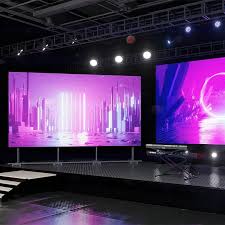
The LED display industry has seen rapid advancements driven by evolving technology, stricter quality standards, and expanding global applications. As a professional engineer with years of experience in LED display manufacturing, I aim to deliver a comprehensive overview of key engineering principles, critical technical parameters, and industry best practices. This article explores the complex processes involved in manufacturing high-quality LED LCD screens, highlighting practical insights drawn from authoritative sources and real-world industry cases.
Main Body
1. LED Display Technology Fundamentals
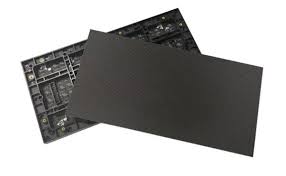
LED (Light Emitting Diode) displays function by illuminating tiny semiconductor devices that emit light when an electric current passes through them. The engineering challenge lies in assembling these diodes into pixel arrays with precise color fidelity, brightness, and longevity. Typical LED display modules consist of three primary components: the LED package, driver ICs (Integrated Circuits), and the PCB (Printed Circuit Board).
Key technical parameters include:
- Pixel Pitch: Defines the distance between pixels, usually measured in millimeters. A smaller pixel pitch (e.g., 0.9 mm) implies higher resolution suitable for close viewing distances.
- Brightness: Measured in nits (cd/m²), with indoor displays averaging 800-1500 nits and outdoor displays exceeding 5000 nits for clear visibility under direct sunlight.
- Refresh Rate: Generally 1920 Hz or higher to prevent flicker, especially important in broadcast or live event settings.
- Color Gamut and Accuracy: Achieved with precise binning of LEDs and calibrated driver circuits to conform to standards such as BT.709 or BT.2020.
2. Manufacturing Process and Quality Control
The manufacturing process begins with LED chip fabrication, followed by packaging which enhances light extraction efficiency and protects components. The assembly phase integrates LED packages into PCB panels aligned into modules and further into full-scale displays.
Critical manufacturing steps include:
- Die Bonding and Wire Bonding: These processes demand precision to ensure electrical connectivity and thermal stability.
- Soldering and PCB Assembly: Automated surface mount technology (SMT) lines must maintain tight tolerances to prevent failures, often verified through X-ray inspections.
- Testing: Uniformity and reliability tests—such as Thermal Shock Testing, High Temperature and Humidity (HTH) Testing, and Lumen Maintenance Tests—ensure durability and performance over extended periods.
The adoption of industry standards such as IEC 62368-1 (safety requirements), and compliance to RoHS and REACH environmental regulations are mandatory for global market acceptance.
3. Enhanced Display Features Through Engineering Innovation
Modern LED displays incorporate advanced technologies to meet diversified applications:
- HDR (High Dynamic Range): Enhances contrast and color depth by expanding the brightness range beyond traditional SDR (Standard Dynamic Range).
- Curved and Flexible LED Panels: Leveraging flexible PCB substrates allows innovative form factors for architectural and immersive display environments.
- Energy Efficiency and Heat Dissipation: Materials and cooling system engineering (passive heat sinks, active cooling fans) extend product lifespan and reduce power consumption.
4. Case Studies and Industry Trends
Notable projects in metropolitan digital signage and stadium displays highlight the importance of modular design and high refresh rates (typically above 3840 Hz for broadcast quality). Case studies report that selecting LEDs with higher color binning standards (e.g., bin rank 3 or better) improves color consistency, reducing post-installation calibration time.
The market shift towards mini-LED and micro-LED technologies demonstrates a focus on higher pixel density and improved image quality, though these come with challenges in mass production complexity and cost.
Conclusion
Expertise in LED display engineering requires a multidisciplinary approach combining semiconductor physics, electronic circuit design, thermal management, and strict quality control. Upholding industry standards while embracing innovation facilitates the manufacture of displays that meet demanding visual and operational requirements. As applications diversify globally—from indoor corporate environments to rugged outdoor installations—the integration of emerging technologies such as micro-LED and AI-driven quality inspection systems will define the next frontier of display performance and reliability.
References
- International Electrotechnical Commission (IEC) Standards: IEC 62368-1
- Society for Information Display (SID) Technical Digest
- “LED Displays: Fundamentals and Applications” by Jun Chen, Wiley, 2022
- Case study data from Unilumin and Leyard, global LED display manufacturers (2023-2024)













