

Advanced LED LCD Screen Technology: Applications, Advantages, and Emerging Trends
The evolution of LED LCD screen technology has significantly transformed the display industry, catering to diverse sectors such as consumer electronics, digital signage, medical imaging, automotive displays, and industrial applications. Based on comprehensive industry analysis and practical engineering experience, this article explores the core technological parameters, practical applications, advantages, common challenges, and cutting-edge trends shaping LED LCD screen manufacturing today.
At the heart of LED LCD technology lies the integration of Light Emitting Diode (LED) backlighting with Liquid Crystal Display (LCD) panels. Compared to traditional Cold Cathode Fluorescent Lamp (CCFL) backlight LCDs, LED-backlit LCDs offer superior brightness uniformity, enhanced color accuracy, better energy efficiency, and a thinner profile. Modern high-end LED LCDs commonly achieve brightness levels exceeding 1000 nits, contrast ratios above 5000:1, and color gamuts approaching Adobe RGB standards, vital for applications demanding high fidelity, such as professional photo editing and medical diagnostics.
Practical Applications
1. Consumer Electronics: Smartphones, tablets, and laptops increasingly adopt LED LCDs due to their balance of cost, reliability, and visual performance. Technologies like local dimming and quantum dot enhancement improve dynamic contrast and color volume, elevating viewing experiences.
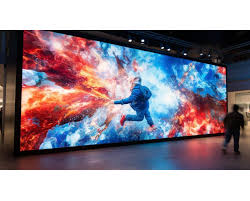
2. Digital Signage: Outdoor and indoor digital signage leverages high-brightness LED-backlit LCDs for visibility under direct sunlight. The durability and long operating lifespan (up to 100,000 hours under optimal conditions) make these displays suitable for 24/7 operation in diverse environments.
3. Medical Imaging: Precision in grayscale and color rendering is critical. Specialized LED LCDs featuring high bit-depth capabilities (10-bit or greater per channel) enable superior diagnostic image clarity compliant with DICOM standards, supported by calibrated luminance uniformity and low intrinsic noise.
4. Automotive Displays: Inside modern vehicles, LED LCDs provide instrumentation, infotainment, and Heads-Up Displays (HUD) that must perform reliably across wide temperature ranges (-40°C to +85°C). Advances in anti-reflective coatings and film technologies have improved readability in varying ambient light.
5. Industrial Control and Aviation: These sectors demand ruggedized LED LCDs with enhanced electromagnetic compatibility (EMC) and resistance to vibration and shock, complying with MIL-STD-810G or equivalent standards, ensuring consistent operation in harsh conditions.
Advantages
The rise of LED LCD technology is driven by multiple advantages:
- Energy Efficiency: LED backlighting consumes up to 40% less power than CCFL counterparts, contributing to lower operational costs and environmental impact.
- Improved Color Accuracy and Range: Incorporating quantum dot and mini-LED technology broadens the color gamut and enhances precision, which is indispensable for creative content production.
- Longer Lifespan and Reliability: LEDs surpass CCFLs in durability, with less susceptibility to mercury contamination and gradual dimming.
- Slim and Lightweight Designs: The compact LED arrays enable ultra-thin form factors, catering to sleek product designs.
- Faster Response Times: LED LCDs deliver reduced motion blur compared to CCFL-backlit displays, beneficial for gaming and dynamic video content.
Common Problems and Solutions
Despite the many advantages, LED LCDs face practical challenges:
- Backlight Bleeding: Uneven LED backlight distribution causes light leakage near screen edges, impacting contrast. Precise LED placement and diffusers can mitigate this issue.
- Heat Management: High-brightness LEDs generate significant heat that can affect lifespan and display uniformity. Incorporating efficient thermal dissipation materials such as graphite films or heat sinks is essential.
- Color Shift and Uniformity: Variations in LED aging or diffuser inconsistencies lead to color shifts over time. Periodic calibration and use of sensors embedded within the display help maintain color fidelity.
- Cost Constraints: Advanced technologies like mini-LED or quantum dot layers increase production complexity and cost. Optimization of manufacturing yield and continuous R&D are critical to balancing cost and performance.
Emerging Trends
Recent developments have accelerated innovation in LED LCD technology:
- Mini-LED and Micro-LED Backlighting: Mini-LED arrays with thousands of dimming zones significantly enhance local contrast and HDR (High Dynamic Range) performance, approaching OLED-level image quality while maintaining LCD benefits like burn-in resistance.
- Quantum Dot Enhancement Films (QDEF): These films improve backlight spectral purity, enabling wider gamut coverage beyond Rec. 2020 standards.
- AI-driven Calibration and Adaptive Lighting: Smart sensors and AI algorithms dynamically adjust backlight intensity and color balance for optimized viewing based on ambient conditions and content type.
- Flexible and Transparent LED LCD Panels: Advances in materials science have begun enabling curved or bendable LED LCDs, facilitating integration into new form factors like foldable devices or augmented reality displays.
Industry standards such as IEC 62676 continue to evolve, ensuring interoperability and quality testing methodologies for these advanced displays. Renowned industry players such as Samsung Display, LG Display, and BOE Technology actively invest in production lines that integrate these innovations, while academic research focuses on next-generation materials and backlight solutions.
In conclusion, LED LCD screen technology remains a cornerstone of modern display solutions due to its blend of cost-effectiveness, high performance, and versatility across industries. Engineers and manufacturers must navigate challenges related to heat, color consistency, and cost while capitalizing on promising trends like mini-LED and quantum dot enhancements, alongside AI smart controls. This multifaceted approach promises to deliver more immersive, reliable, and energy-efficient displays worldwide, fueling progress across consumer tech, medical, automotive, and industrial sectors.













