

Advanced LED LCD Display Engineering: Enhancing Performance and Reliability in Modern Screens
In the rapidly evolving display technology landscape, engineering cutting-edge LED LCD screens involves a sophisticated blend of material science, electrical engineering, and manufacturing precision. As demand for higher resolution, improved color accuracy, and more durable display solutions grows internationally, understanding the core technical parameters and engineering challenges has become critical for manufacturers and engineers alike.
At its heart, an LED LCD (Liquid Crystal Display with LED backlighting) features a thin film transistor (TFT) array controlling liquid crystals that modulate light passed through an LED backlight. The backlight composition, typically a series of white or RGB LEDs, directly influences brightness, color gamut, and energy efficiency. Advances such as Mini-LED and Micro-LED backlighting are pushing display quality beyond traditional LED arrays by offering localized dimming zones which yield deeper blacks and enhanced contrast ratios.
Key Technical Parameters:
- Resolution and Pixel Density: Modern high-end LED LCDs support 4K UHD (3840x2160 pixels) and beyond, with pixel densities exceeding 300 PPI to ensure sharp images in devices ranging from smartphones to large monitors. Resolution closely ties into the liquid crystal layer's ability to align precisely for each pixel, demanding high tolerances in fabrication.
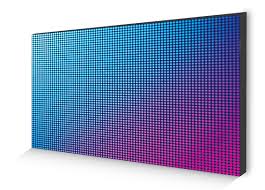
- Brightness and Contrast: Typical LED LCD brightness ranges from 250 to 1000 nits, with advanced models utilizing up to 1500 nits or more for HDR content support. Contrast ratio, often exceeding 1000:1 in professional-grade panels, benefits greatly from LED backlighting with effective dimming technology.
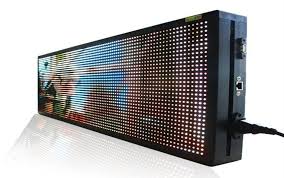
- Color Gamut and Accuracy: Industry-standard color spaces such as sRGB, Adobe RGB, and DCI-P3 define the gamut coverage critical for professional photo and video editing. LED LCD screens benefit from quantum dot enhancement films (QDEF), which improve color purity and saturation. Color accuracy is commonly measured via Delta-E, with values below 2 considered ideal for professional use.
- Response Time and Refresh Rate: Response times (gray-to-gray) under 5 milliseconds are standard for general use, while gaming and high-refresh-rate applications demand 1 millisecond or less. Refresh rates ranging from 60Hz to 240Hz or higher contribute to smoother motion rendering.
Manufacturing Insights and Quality Control:
Precision in TFT array deposition is pivotal. The use of photolithography and chemical vapor deposition (CVD) techniques ensures uniform transistor characteristics, essential for flicker-free displays and uniform color output. The integration of thin-film encapsulation (TFE) layers protects liquid crystals from moisture and oxygen, extending screen lifespan.
Backlight module assembly is equally challenging. Uniformity in LED placement, consistent phosphor coatings for white LED generation, and optical films like diffusers and prism sheets optimize light distribution and prevent hotspots. The adoption of Mini-LED technology places thousands of tiny LEDs into localized zones, allowing for precise dimming control—a feat requiring advanced PCB design and heat dissipation strategies.
Industry Standards and Testing:
International standards such as IEC 62087 (methods of measurement for power consumption) and ISO 9241 Part 303 (visual display ergonomics) guide LED LCD evaluation. Rigorous environmental stress tests—thermal cycling, humidity exposure, and vibration tests—ensure durability in diverse operating conditions, whether for consumer electronics or industrial applications.
Emerging Trends and Challenges:
The transition toward flexible LED LCDs involves using polyimide substrates for TFT arrays, enabling curved or foldable screens without compromising image quality. Additionally, integrating AI-driven algorithms for dynamic brightness and color adjustments is becoming commonplace to enhance user experience while lowering power consumption.
However, challenges remain. Managing blue light emission to reduce eye strain, improving recycling methods for LED LCD components, and reducing harmful chemical usage in manufacturing are pressing environmental concerns.
In conclusion, the engineering of LED LCD displays is a multidisciplinary endeavor rooted in precision manufacturing, advanced materials, and thorough quality assurance. Continuous innovations in backlighting, panel architecture, and manufacturing processes not only enhance visual performance but also contribute to the sustainability and robustness of modern display technologies. For engineers working in this domain, keeping abreast of emerging technologies and adhering to stringent industry standards is paramount to delivering displays that meet the diverse needs of global users.













