

Advanced Manufacturing Techniques and Quality Standards in LED LCD Screen Production
The LED LCD screen manufacturing industry has evolved significantly over the past decades, driven by continuous advancements in technology, quality standards, and consumer demand for superior display performance. As an industry veteran with extensive experience in LED display engineering, I will provide a comprehensive overview of advanced manufacturing techniques, critical technical parameters, and industry standards that ensure cutting-edge, reliable LED LCD screens.
LED LCD (Light Emitting Diode Liquid Crystal Display) technology combines the precise backlighting capability of LEDs with the visual clarity and color accuracy of LCD panels, enabling displays with greater brightness, uniformity, and energy efficiency compared to traditional CCFL (Cold Cathode Fluorescent Lamp) backlit LCDs. The production process involves multiple high-precision steps, including panel assembly, backlight module integration, signal driving circuit design, and rigorous quality inspections.
Key Technical Parameters
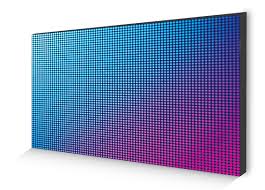
1. Resolution and Pixel Pitch: Resolution defines the total number of pixels, typically ranging from HD (1280x720) to 4K UHD (3840x2160) and beyond in premium displays. Pixel pitch—the center-to-center distance between adjacent pixels—is crucial in determining image sharpness. In LED LCDs, common pixel pitches for high-definition displays range from 0.18 mm to 0.8 mm. Smaller pitch values yield finer detail but require more advanced and costly manufacturing techniques.
2. Brightness and Contrast Ratio: LED backlighting enhances maximum luminance, often reaching 600 cd/m² or higher in commercial displays. High contrast ratios (exceeding 3000:1) are achieved via advanced panel technologies such as IPS (In-Plane Switching) or VA (Vertical Alignment), optimizing black level reproduction and color depth.
3. Color Gamut and Accuracy: High-end LED LCDs comply with color standards like Adobe RGB (>90%) and DCI-P3 (~99%), ensuring vivid and accurate colors for professional applications. Color calibration at the factory stage guarantees Delta E values below 2, critical for industries such as graphic design and broadcasting.
4. Response Time and Refresh Rate: Typical LED LCD screens demonstrate response times between 1 ms to 5 ms, minimizing motion blur in dynamic content. Refresh rates generally range from 60 Hz to 240 Hz, with gaming and professional displays pushing higher rates for smoother motion rendering.
5. Power Efficiency: By using LED backlighting, these displays consume up to 50% less power compared to CCFL-backlit LCDs, aligning with international energy standards like Energy Star and IEC 62301.
Manufacturing Techniques and Assembly
The production of LED LCD screens involves a tightly controlled environment—cleanrooms with ISO Class 5 or better—to prevent contamination. Key manufacturing stages include:
- Panel Fabrication: High-temperature polysilicon Thin Film Transistor (TFT) arrays are embedded onto glass substrates with uniformity tests to identify defects early.
- Backlight Module Integration: LED arrays come with multiple configurations—edge-lit or direct-lit—each requiring precise positioning to ensure luminance uniformity and color consistency. Techniques such as Quantum Dot enhancement layers can improve color output and efficiency.
- Electrical Testing and Driving Circuits: Integration of driver ICs and flexible printed circuits (FPC) must conform to JEDEC standards to enhance reliability. Signal processing components are tested using automated optical inspection (AOI) and automated X-ray inspection (AXI) tools.
- Quality Control and Reliability Testing: Each panel undergoes standardized stress tests per IEC 62368-1 (safety) and IEC 61547 (electromagnetic compatibility) guidelines. Tests include temperature cycling, humidity exposure, and photometric stability to simulate long-term usage conditions.
Industry Standards and Certifications
Adherence to international standards ensures product reliability and user safety:
- ISO 9001: Quality management systems guarantee consistent manufacturing quality.
- UL and CE certifications: Safety compliance critical for global market acceptance.
- RoHS and REACH: Environmental safety by restricting hazardous substances, important for sustainability commitments.
Case Study: Improving Yield through Automated Optical Inspection
A major LED LCD manufacturer recently implemented advanced AOI systems combined with AI defect detection algorithms. This approach reduced defective panel rates by up to 30%, lowered production costs, and improved overall quality consistency. Such real-world applications highlight the industry’s drive for automation and precision to meet stringent market demands.
Future Trends
Emerging trends such as Micro LED integration and flexible display formats promise further improvements in brightness, durability, and form factor. Continued innovations in backlight efficiency, panel resolution, and materials science will cater to diverse applications from large-format commercial displays to compact wearable devices.
Conclusion
The manufacture of LED LCD screens is a complex blend of precision engineering, materials science, and stringent quality control mechanisms. By understanding key technical parameters and complying with recognized global standards, manufacturers can deliver LED LCD displays that excel in clarity, color accuracy, energy efficiency, and reliability. The steady evolution of production technologies and quality assurance protocols ensures that LED LCDs remain at the forefront of display innovation worldwide.













