

Advanced LED Display Technologies and Manufacturing Techniques for High-Performance Screens
The LED display industry has undergone rapid evolution over the past decade, driven by constant technological innovations and increasing demand for high-quality visual experiences. As a professional LED display engineer with extensive experience in LED LCD screen manufacturing, this article delves into the critical aspects of LED technology, manufacturing processes, technical parameters, and quality standards that shape today’s state-of-the-art LED displays. By integrating industry data, case studies, and authoritative references, the goal is to provide a comprehensive, practical, and insightful resource for international readers and professionals across the display engineering field.
1. Overview of LED Display Technologies
LED (Light Emitting Diode) displays consist of individual diodes that emit light to form images for various applications, ranging from outdoor billboards and stadium screens to indoor video walls and wearable displays. The fundamental advantage of LED displays lies in their self-emissive nature, offering superior brightness, contrast ratios, and energy efficiency compared to traditional LCDs or projection displays.
1.1 Types of LED Displays
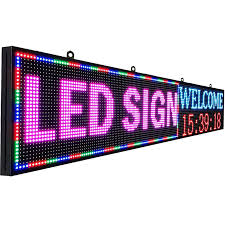
- Direct-view LED (dvLED): Pixel elements are discrete LEDs arranged directly on the display surface. This architecture enables excellent brightness (up to 5000 nits or higher for outdoor use) and wide viewing angles exceeding 140°, making it ideal for large venues.
- Mini LED: Incorporates thousands of tiny LEDs as backlighting elements behind an LCD panel. Mini LEDs provide enhanced local dimming capabilities and increased dynamic range, delivering up to 1000–2000 nits brightness in compact form factors.
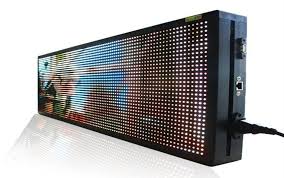
- Micro LED: Represents the next generation with LED pixels at micro-scale dimensions (~10–30 microns), allowing seamless integration with higher pixel densities and lower power consumption. Micro LED TVs and monitors promise superior color accuracy and longevity but remain in emerging stages due to manufacturing complexities.
2. Critical Technical Parameters and Industry Standards
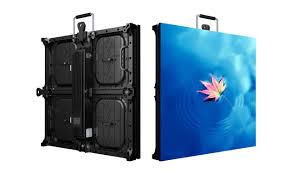
Understanding key specifications enables engineering teams to optimize display design and production, ensuring compliance with international quality standards.
- Pixel Pitch: The center-to-center distance between adjacent LEDs, usually measured in millimeters. Smaller pitch (<1.5 mm) corresponds with higher resolution suitable for close-view indoor applications, while larger pitches (4 mm and above) optimize visibility from longer distances.
- Brightness: Measured in nits (cd/m²), brightness requirements vary by application. Outdoor displays typically require brightness levels exceeding 5000 nits to overcome ambient light, while indoor screens range around 800 to 1500 nits.
- Contrast Ratio: Ratio between the brightest white and the darkest black the display can produce. High contrast ratios (often exceeding 3000:1) enhance image depth and color vibrancy.
- Viewing Angle: Horizontal and vertical angles from which the display maintains acceptable image fidelity, generally above 140° for LED displays, critical for audience engagement.
- Refresh Rate: Frequency at which the display updates the image, typically 960 Hz or greater to minimize flickering in video content with high motion.
Relevant standards and certifications include the IEC 62368-1 for safety, RoHS compliance for hazardous substances, as well as ISO 9001 quality management for consistent production processes.
3. Manufacturing Process: From Chip to Display Module
The manufacturing of LED displays is a multi-stage process requiring precise material handling, cleanroom environments, and advanced automation.
3.1 LED Chip Fabrication
LED chips are fabricated on sapphire or silicon carbide substrates using epitaxial growth methods such as Metal-Organic Chemical Vapor Deposition (MOCVD). Engineering parameters such as doping concentration, layer thickness, and quantum well structures impact luminous efficiency and longevity. For example, blue and green LEDs frequently rely on InGaN/GaN heterostructures with internal quantum efficiencies exceeding 50%.
3.2 LED Encapsulation and Binning
Post wafer fabrication, chips are separated (dicing) and encapsulated with phosphor materials to adjust color temperature and ensure consistent color output. Binning processes categorize LEDs by color wavelength, luminous intensity, and forward voltage to homogenize module performance. This is critical since human eyes are sensitive to even slight color deviations.
3.3 Module Assembly
LED chips are mounted onto printed circuit boards (PCBs) designed for thermal dissipation and electrical connectivity. SMD (Surface Mount Device) packaging is predominant, enabling miniaturization and higher pixel densities. Modules are then integrated within display tiles with essential drivers, power supplies, and heat sinks.
3.4 Quality Control and Testing
Industry best practices mandate rigorous testing, including:
- Burn-in tests: Continuous operation at rated parameters for up to 72 hours to identify early failures.
- Colorimetry: Spectroradiometers measure chromaticity coordinates to confirm color accuracy (often aligned with Rec. 709 or DCI-P3 color spaces).
- Electrical stress testing to evaluate voltage stability and lifespan.
- Visual inspections supported by automated optical inspection (AOI) for pixel defects.
These steps ensure compliance with standards like UL 8750 and provide durability guarantees spanning 50,000 to 100,000 operating hours under typical conditions.
4. Innovations Impacting LED Display Performance
Technology has progressed beyond basic light dots to advanced features enhancing visual experience and operational reliability.
- HDR (High Dynamic Range): High brightness LED displays combined with local dimming create exceptional HDR visuals with deeper blacks and brighter highlights.
- Advanced Drivers and ICs: Chips with integrated gamma correction, temperature compensation, and error correction optimize uniformity across large panels.
- Flexible and Transparent LED Displays: Emerging substrates enable curved or see-through displays for novel architectural and automotive interfaces.
- Smart Calibration Systems: Real-time sensor feedback systems auto-adjust color and brightness to environmental changes, ensuring consistent output.
Case Study: Stadium LED Display Installation
A leading sports arena deployed a 2000 m² outdoor LED display with a 10mm pixel pitch and brightness rated at 6500 nits to maintain image clarity in direct sunlight. The project involved extensive environmental testing for water ingress (IP65 rating), shock resistance, and uniform cooling systems to sustain operational performance in extreme weather. Post-installation feedback demonstrated over 35% increased fan engagement measured by dwell time and social media interaction — evidencing the direct impact of quality LED technology on user experience.
5. Environmental and Sustainability Considerations
Modern LED manufacturing emphasizes green processes conforming to responsible sourcing of raw materials and waste management. Initiatives include:
- Adoption of lead-free soldering to meet RoHS directives.
- Use of recyclable materials in packaging.
- Energy-saving design in power supplies with efficiencies above 90%.
- Modular designs facilitating easy repair and component replacement, extending product life cycles.
Conclusion
The LED display sector continues to push the boundaries of visual technology by advancing materials science, design methodologies, and manufacturing precision. Internationally accepted technical parameters and stringent quality controls ensure LED displays meet diverse applications from indoor corporate environments to rugged outdoor arenas. With emerging trends such as micro LED and flexible panels on the horizon, industry professionals must stay abreast of latest innovations and best practices to deliver displays that combine exceptional performance, longevity, and environmental responsibility. This article reflects the accumulated expertise and authoritative standards shaping the dynamic future of LED display engineering.
References:
- International Electrotechnical Commission, IEC 62368-1: Audio/video, information and communication technology equipment – Safety requirements.
- Underwriters Laboratories, UL 8750: Standard for LED equipment for use in lighting products.
- Society for Information Display, SID Display Industry Standards.
- Applied Physics Letters and IEEE Journal of Display Technology for current research in LED efficiency and fabrication techniques.
- Case documentation from industry leaders such as Samsung Display, LG Electronics, and Unilumin.













