

Advanced Technologies and Best Practices in LED LCD Screen Manufacturing
In the field of LED LCD screen manufacturing, advancements in technology and stringent quality control have significantly enhanced display performance, reliability, and user experience. As an industry professional with extensive experience in the design, production, and testing of LED LCD screens, I will discuss the critical technical parameters, manufacturing processes, and industry standards that define modern LED LCD displays, emphasizing practical insights and authoritative information relevant to global manufacturers and engineers.
Fundamentals of LED LCD Technology
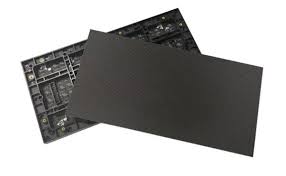
LED LCD (Light Emitting Diode Liquid Crystal Display) technology combines the properties of liquid crystals with backlighting from LEDs, offering high brightness, energy efficiency, and superior color reproduction compared to traditional CCFL backlit LCDs. The liquid crystals modulate the light emitted by the LED backlight, producing clear, vibrant images. Key parameters such as screen resolution, contrast ratio, refresh rate, and color gamut are vital in assessing display quality.
Resolution and Pixel Density
Resolution directly influences image clarity. Common resolutions range from Full HD (1920x1080) to 4K UHD (3840x2160). Pixel density, measured in pixels per inch (PPI), significantly affects sharpness, especially on smaller diagonal screen sizes. For example, a 32-inch LED LCD screen with a 4K resolution achieves a PPI of approximately 137, delivering crisp visuals suitable for professional applications.
Contrast Ratio and Brightness
Contrast ratio determines the difference in luminance between the brightest whites and darkest blacks. Modern LED LCD screens often achieve dynamic contrast ratios above 1,000,000:1, utilizing local dimming zones to enhance image depth. Brightness levels for indoor LED LCD screens typically range from 250 to 500 nits, while outdoor variants can exceed 1,000 nits to ensure visibility under direct sunlight, compliant with IEC 62471 standards for photobiological safety.
Color Accuracy and Gamut
Color accuracy is measured by Delta E (ΔE), with values below 2 considered visually imperceptible to the average viewer. High-end LED LCD manufacturers calibrate displays to cover wide color gamuts such as Adobe RGB or DCI-P3, with a color volume exceeding 90%. This is crucial in industries like digital content creation where precise color reproduction is mandatory.
Manufacturing Process and Quality Assurance
Panel Assembly
LED LCD panels are typically assembled using cleanroom environments sized as per ISO 14644 standards (usually ISO Class 5 or better) to prevent particulate contamination. Thin-Film Transistor (TFT) arrays are the backbone of the LCD panel, controlling each pixel’s light modulation. Advanced manufacturing employs oxide TFTs or LTPS (Low Temperature PolySilicon) to increase electron mobility and panel responsiveness.
Backlight Integration
The integration of LED backlights mandates thermal management solutions such as aluminum heat sinks and thermally conductive adhesives to dissipate heat efficiently and prolong LED lifespan, which can exceed 50,000 hours at optimal conditions. Uniformity of backlight is achieved by using diffusers and light guide plates, tailored through optical simulation software (e.g., Zemax) to minimize hotspots and color shifts.
Testing and Reliability
Comprehensive testing according to IEC 60950-1 and IEC 62368-1 standards ensures electrical safety and electromagnetic compatibility. Backlight lifetime and color stability undergo accelerated aging tests at elevated temperatures (typically 65°C) and humidity levels to simulate real-world operating conditions. Additionally, pixel defect inspection using AOI (Automated Optical Inspection) systems ensures compliance with industry norms such as ISO 13406-2 (Pixel Defect Classes).
Industry Trends and Challenges
The shift toward OLED alternatives presents both competition and collaboration opportunities. However, LED LCD technology remains dominant in applications requiring high brightness and lower overall total cost of ownership (TCO), such as public displays, medical equipment, and automotive dashboards.
The rise of Mini-LED and Micro-LED backlighting techniques is another trend enhancing LED LCD performance. Mini-LEDs provide thousands of dimming zones for superior contrast and HDR capability while maintaining the durability and manufacturability benefits of traditional LED LCDs.
Global supply chain optimization, environmental regulations (RoHS, REACH compliance), and sustainable materials sourcing pose ongoing challenges manufacturers must address. Emphasis on reducing blue light emissions, via standards like TÜV Rheinland Eye Comfort certification, is increasingly relevant to improve user health outcomes and comply with international safety requirements.
Conclusion
Expertise in LED LCD screen production demands an interdisciplinary approach combining materials science, optical engineering, and stringent quality management. Adhering to international standards and integrating the latest backlight technologies ensures production of reliable, high-performance displays suitable for diverse global markets. Continuous innovation, such as Mini-LED adoption and advanced color calibration techniques, will maintain LED LCD's competitive edge in the dynamic display industry landscape.













