

Open Frame Display Technology: Design, Applications, and Industry Standards
Open frame displays represent a crucial segment in modern LED and LCD screen technologies, offering unique advantages in industrial, commercial, and embedded applications. Unlike traditional off-the-shelf monitors encased in full housings, open frame displays consist of the core display components—LCD panel, backlight, driver electronics—mounted on a minimalist metal frame. This design facilitates integration into custom enclosures, kiosks, medical devices, vending machines, and rugged environments requiring flexible deployment.
Technical Overview and Design Parameters
An open frame display’s core structure typically includes:
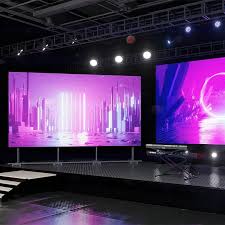
- LCD Panel: Often IPS (In-Plane Switching) or TFT (Thin Film Transistor) technology for superior color fidelity and viewing angles. Sizes range from small 7-inch embedded panels to large 32-inch industrial-grade units. Typical resolutions vary from HD (1280x720) up to 4K UHD (3840x2160), depending on application requirements.
- Backlighting: Most open frame displays use LED backlighting systems for consistent luminance, longevity, and energy efficiency. LED backlight units deliver luminance levels from 250 cd/m² to over 1000 cd/m² for high ambient lighting environments, following parameters such as IEC 62471 for photobiological safety.
- Driver Board and Controller: Embedded electronics enable multiple input interfaces including HDMI, DisplayPort, LVDS, and eDP (embedded DisplayPort), enhancing compatibility with various systems and devices. These driver boards commonly support 6-bit to 8-bit color depth per channel, extending to 10-bit color in advanced models for HDR (High Dynamic Range) applications.
- Mechanical Frame: The metal open frame is engineered with precise cutouts and mounting holes following VESA (Video Electronics Standards Association) standards—typically 75×75 mm or 100×100 mm—facilitating standardized mounting solutions compatible with industry hardware.
Advantages Over Traditional Enclosed Displays
Open frame displays enable easier customization, which significantly enhances their appeal in sectors requiring adaptable screen solutions. Their slim profiles allow them to fit tightly inside consoles or enclosures, drastically reducing installation space. Additionally, they provide better thermal management options by permitting airflow around the component, which is vital for high-brightness or outdoor screens subjected to harsh operating conditions.
Industry Applications and Use Cases
These displays are widely used across different industries:
- Industrial Automation: Equipment monitoring panels often utilize open frame displays for seamless embedding into machinery dashboards. Their robust build and IP-rated front panels (IP54 or higher) protect against dust and moisture, ensuring durable operation under factory conditions compliant with IEC 60529.
- Medical Equipment: Open frame LCD modules integrate into diagnostic machines, patient monitoring systems, and surgical consoles. Strict compliance with FDA or CE medical device directives and IEC 60601-1 safety standards governs their electrical and biocompatibility certifications.
- Retail and Self-Service Kiosks: Touchscreen versions with projected capacitive (PCAP) technology serve in ticketing, information, and payment systems. Operating temperature ranges typically extend from -20°C to +50°C, suitable for indoor and semi-outdoor installations.
- Transportation and Automotive: Displays embedded in dash assemblies and cockpit instrumentation leverage open frame designs for compactness and vibration resistance, meeting standards such as ISO 7637 (vehicle electrical disturbances) and MIL-STD-810G for shock and vibration.
Quality and Reliability Testing
Manufacturers adhere to rigorous testing protocols to ensure that open frame displays deliver consistent performance over long lifecycles. Common tests include:
- Burn-in and Image Retention: Constant operation under maximum brightness to detect ghosting or pixel degradation.
- Environmental Stress Screening (ESS): Thermal cycling and humidity exposure simulated to verify resistance to field conditions.
- Electromagnetic Compatibility (EMC): Tests following CISPR 22 and FCC Part 15 regulations verify immunity and emission limits to avoid interference.
Latest Trends and Innovations
The latest evolution in open frame displays integrates advanced features:
- High Brightness HDR: With luminance exceeding 1000 cd/m² and wide color gamut coverage (DCI-P3 or Adobe RGB), these displays cater to industrial imaging where detail and contrast are paramount.
- Touch and Interface Integration: Multi-touch PCAP overlays with gestures and stylus support enable interactive experiences in kiosk and medical environments.
- Flexible and Curved Panels: Emerging flexible IPS and OLED open frame solutions allow new ergonomic designs.
- Smart Connectivity: Embedded system-on-chip (SoC) solutions providing network capabilities and AI-driven diagnostics expand the usability of open frame displays in IoT ecosystems.
Conclusion
Open frame displays represent a versatile and robust solution when customization, reliability, and integration flexibility are key demands. Their compliance with stringent industry standards, coupled with innovations in panel technology, backlighting, and electronic control systems, ensure they remain indispensable in numerous global applications. Selecting the appropriate open frame display requires careful consideration of technical specifications aligned with application-specific factors such as brightness, resolution, interface compatibility, environmental resistance, and regulatory compliance.
By collaborating with established manufacturers certified under ISO 9001 and adhering to recognized standards like IEC 60950 and RoHS directives, engineers and system integrators can deploy open frame displays that offer durable, high-performance visual solutions.













