

Waterproof Outdoor Digital Signage: Technology, Applications, and Industry Standards
In the rapidly evolving arena of digital communication, waterproof outdoor digital signage has become an indispensable solution for various industries seeking to deliver dynamic visual content in challenging environments. As a professional LED display engineer with extensive experience in outdoor display manufacturing, I will delve into the critical aspects, technical parameters, and industry standards governing waterproof outdoor digital signage, providing a comprehensive guide for engineers, business owners, and installation specialists.
Understanding Waterproof Outdoor Digital Signage
Outdoor digital signage is defined as electronic display systems used in exterior locations for advertising, information dissemination, or wayfinding. These systems must endure exposure to environmental stressors such as rain, dust, sunlight, wind, and temperature fluctuations. Ensuring waterproofing is paramount to prolong operational life and maintain display performance.
The waterproof rating is primarily classified using the Ingress Protection (IP) standard, developed by the International Electrotechnical Commission (IEC 60529). For outdoor digital signage, common ratings include:
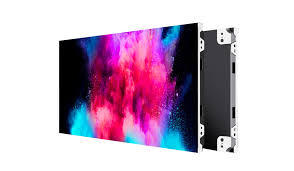
- IP65: Completely dust-tight and protected against water jets from any direction.
- IP66: Dust-tight and protected against powerful water jets.
- IP67: Dust-tight and protected against temporary immersion in water (up to 1 meter for 30 minutes).
- IP68: Dust-tight and suitable for continuous immersion beyond 1 meter.
Most outdoor digital signage units adopt an IP65 or higher rating to ensure reliable waterproofing.
Technical Parameters Critical for Waterproof Outdoor Digital Signage
1. Enclosure Material and Design: The enclosure is often constructed from marine-grade aluminum or stainless steel with powder coating to resist corrosion. Seals use silicone gaskets engineered to withstand thermal expansion and contraction without compromising the IP rating.
2. Temperature Range: Components inside must operate reliably in wide temperature bands, typically between -20°C to +50°C, with some models supporting up to -40°C for cold climates. Integrated thermal management includes heating pads, air circulation fans, or liquid cooling systems to stabilize internal temperatures.
3. Display Brightness and Readability: Outdoor screens must mitigate solar glare and deliver excellent visibility even under direct sunlight. Common brightness specifications range from 2500 to 7000 nits (cd/m²), significantly higher than indoor displays. Optical bonding and anti-reflective coatings further enhance readability.
4. Connectivity and Power: Reliable networking over Ethernet, 4G/5G cellular, or Wi-Fi with secure protocols is essential. Power supplies are designed to prevent ingress of moisture, often enclosed within the protective casing or hardened with conformal coatings.
5. Impact Resistance: The front panel typically consists of tempered or laminated glass with thicknesses between 4mm to 8mm to withstand vandalism and harsh weather.
Applications of Waterproof Outdoor Digital Signage
- Transportation Hubs: Airports, train stations, and bus terminals utilize weatherproof displays for passenger information and dynamic advertisements.
- Retail and QSR: Quick-service restaurants install waterproof menu boards to increase customer engagement.
- Public Spaces and Smart Cities: Informational kiosks, emergency alert systems, and city wayfinding rely on durable outdoor digital signage.
- Sports Arenas and Events: Outdoor scoreboards and sponsor advertisements must resist weather during extended outdoor usage.
- Industrial and Maritime Environments: Harsh conditions near ports, oil rigs, or factories necessitate robust waterproof signage.
Industry Standards and Certification
To ensure product reliability and consumer safety, outdoor digital signage adheres to several standards beyond IP ratings:
- IEC 60068 for environmental testing including humidity, shock, and salt spray.
- UL 50 and UL 50E standards governing enclosure safety and integrity.
- RoHS compliance for hazardous substances in electronics.
- MIL-STD-810G for military-grade durability in extreme environments.
Manufacturers often perform accelerated life testing and validation following standards like ASTM D4329, simulating UV exposure and thermal cycling to anticipate degradation over time.
Installation and Maintenance Considerations
Correct installation is vital for ensuring IP rating efficacy. Gaskets and seals should be inspected routinely, and ventilation pathways must remain unobstructed. Regular cleaning with manufacturer-approved agents prevents the buildup of dirt and contaminants that could compromise optical clarity or seals.
For optimal longevity, operators should monitor operational data remotely through integrated IoT systems, facilitating predictive maintenance and reducing downtime.
Case Study: Successful Deployment in Coastal Environments
A major retail chain installed IP67-rated waterproof digital menu boards along a northeastern US coastline, facing heavy salt spray and humidity. The marine-grade aluminum housing, along with conformal-coated PCBs and sealed external cabling, ensured zero failures over three years of continuous outdoor service despite harsh winter storms. This project exemplified the importance of combining high IP ratings with corrosion-resistant materials for coastal deployments.
As the demand for outdoor digital signage grows, weatherproofing technologies advance continuously. Selecting the right combination of IP rating, materials, brightness, and certification ensures optimal performance and ROI. Industry benchmarks, technical rigor, and installation best practices remain the pillars for success in this field.
References:
- IEC 60529: Degrees of protection provided by enclosures (IP Code)
- UL 50 Standard for Enclosures for Electrical Equipment
- MIL-STD-810G: Environmental Engineering Considerations and Laboratory Tests
- Industry Reports, Digital Signage Federation (2023)
- Case study data from leading LED display manufacturers













