

High Brightness TFT Display: Enhancing Visual Performance in Challenging Environments
In the rapidly evolving field of display technology, High Brightness TFT (Thin-Film Transistor) Displays have emerged as a critical solution for applications requiring exceptional visibility under intense ambient light conditions. These displays are engineered to deliver superior luminance, contrast, and durability, making them indispensable in industries such as automotive, aerospace, outdoor signage, and military operations.
Understanding High Brightness TFT Displays
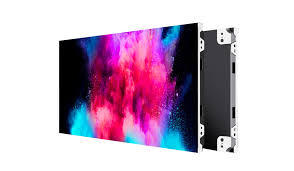
A TFT display is a variant of LCD technology that uses thin-film transistor technology to improve image quality with higher resolution and faster response times. When referred to as "high brightness," these displays typically offer luminance levels ranging from 700 nits (candela per square meter) to over 2500 nits. In comparison, standard TFT displays generally provide brightness levels around 200–400 nits, which are insufficient for readability in direct sunlight or bright environments.
Technical Parameters and Standards
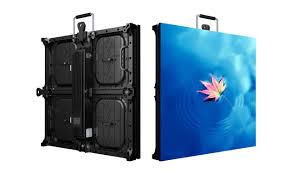
The key performance metrics for high brightness TFT displays include:
- Brightness (Luminance): Measured in nits, effective high brightness displays offer between 1000 and 3000 nits. For example, the International Electrotechnical Commission (IEC) standard 62471 pertains to luminance safety for displays.
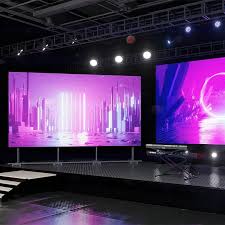
- Contrast Ratio: High brightness displays integrate advanced polarizers and optical films to maintain contrast ratios typically above 1000:1, ensuring sharp image quality despite external light interference.
- Color Gamut and Viewing Angles: These displays often cover wide color gamuts (such as sRGB or Adobe RGB) and incorporate In-Plane Switching (IPS) technology, delivering wide viewing angles of up to 178 degrees horizontally and vertically.
- Durability: High brightness TFT modules often comply with environmental standards such as IP65/IP67 for dust and water resistance, along with thermal management systems capable of operating in temperatures ranging from -20°C to +85°C.
- Power Efficiency: Advancements in backlight technology, such as Mini-LEDs and adaptive backlight controls, optimize power consumption despite the high luminance output.
Technological Innovations Driving High Brightness TFT Displays
Several innovations have enabled the advancement of high brightness displays:
- LED Backlighting: Transition from CCFL to LED backlights has allowed higher intensity illumination with improved efficiency and uniformity. Modern Mini-LED technology further enhances localized dimming and dynamic contrast.
- Optical Bonding: This process eliminates air gaps between the display layers, reducing reflection and enhancing sunlight readability—a critical factor for outdoor and vehicular displays.
- Anti-Reflective Coatings: Multi-layer AR coatings drastically decrease surface reflections, increasing visibility even under direct sunlight.
- High Dynamic Range (HDR): Implementing HDR enhances color and brightness perception, creating more vivid and realistic images.
Applications and Industry Use-Cases
1. Automotive Displays: Instrument clusters and infotainment systems benefit from high brightness TFT displays to ensure driver information remains clearly visible even in bright daylight conditions. Standards such as the Vehicle Display Consortium guidelines specify brightness requirements to enhance safety and user experience.
2. Aerospace and Military: Cockpit displays must offer reliable readability with minimal glare and high durability. Compliance with MIL-STD-810G standards ensures ruggedness under extreme environmental stressors.
3. Outdoor Digital Signage: Urban digital billboards rely on high brightness for 24/7 visibility, with industry leaders like Samsung and LG deploying displays exceeding 2500 nits for enhanced outdoor legibility.
4. Medical Devices: Surgical monitors often require high brightness settings for detailed imaging under critical lighting conditions.
Challenges and Solutions
Maintaining high brightness levels entails increased power consumption and heat generation, which can impact display lifespan and system reliability. Solutions involve:
- Efficient Thermal Management: Integration of heat sinks, thermal conductive adhesives, and optimized enclosure designs dissipate heat effectively.
- Power Saving Features: Auto-dimming and ambient light sensors dynamically adjust brightness to minimize energy use.
- Material Advances: Use of robust substrates and flexible electronics improve resilience to thermal cycling and mechanical stress.
Future Trends
The trajectory for high brightness TFT displays is shaped by:
- Integration with OLEDs and MicroLEDs, promising even higher brightness with enhanced contrast ratios and thinner panels.
- The expansion of foldable and curved high brightness displays for automotive and wearable sectors.
- Enhanced AI-driven display calibration techniques to maintain color accuracy and brightness uniformity over time.
In conclusion, high brightness TFT displays represent a fusion of advanced optoelectronic engineering and material science, delivering unparalleled visual performance in diverse and demanding environments. Their continued evolution will be pivotal as display applications increasingly migrate outdoor and to critical operational settings, adhering to rigorous international standards and user demands.
References:
- International Electrotechnical Commission (IEC) 62471: Photobiological safety of lamps and lamp systems
- Vehicle Display Consortium Design Guidelines
- MIL-STD-810G Testing Standard for Military Equipment
- SID (Society for Information Display) Journals and Conference Proceedings, 2023













