

Advanced Design and Engineering of Onboard Passenger Information Display Enclosures for Modern Transit Systems
In the evolving landscape of public transportation, onboard passenger information display enclosures play a pivotal role in delivering timely, accurate, and clear information to commuters. These enclosures not only house sensitive LED or LCD display units but also ensure durability, safety, and seamless integration with transit vehicles. An in-depth understanding of their design, materials, and engineering requirements is crucial to meeting the demands of modern transit systems globally.
Material Selection and Structural Integrity
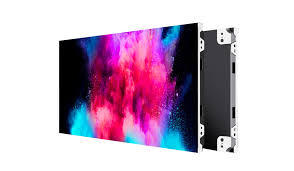
Onboard passenger information display enclosures must withstand a variety of environmental challenges including vibrations, temperature fluctuations, humidity, and potential impacts. The most widely used materials include high-grade aluminum alloys, stainless steel, and reinforced polycarbonate composites. Aluminum alloys, for instance, offer a superior strength-to-weight ratio and excellent corrosion resistance, making them ideal for lightweight yet robust enclosures. Polycarbonate composites provide high impact resistance and optical clarity for displays requiring protective glass front panels.
The structural design often incorporates impact-absorbing mounts and vibration dampers to prevent damage to internal LED modules. According to the IEC 60529 standard, enclosures with an IP54 to IP65 rating are typically employed to guarantee dust and water ingress protection in transit environments, ensuring displays remain operational under harsh conditions.
Thermal Management Considerations
Thermal management is critical because LED and LCD screens generate considerable heat during operation. Inefficient cooling can lead to reduced component lifespan and display failures. Engineers often integrate passive cooling elements such as heat sinks and thermal conductive pads within the enclosure. Some high-brightness displays incorporate miniature fans or convection channels designed to dissipate heat while maintaining a sealed environment for ingress protection.
Materials with high thermal conductivity such as anodized aluminum are preferred for the enclosure body. Thermal simulation software, such as ANSYS Icepak, is frequently used during the design phase to optimize thermal flow without compromising enclosure integrity.
Ergonomic and Aesthetic Design
The enclosure must be designed with passenger comfort and accessibility in mind. Transparent front panels made from anti-reflective, anti-scratch glass or treated polycarbonate enhance readability under various lighting conditions, including direct sunlight. The aspect ratio and resolution of the display, typically ranging from 10 inches to 24 inches for passenger information systems, are chosen based on vehicle layout and viewing distance.
Moreover, color temperature and brightness levels (often 1000-2500 nits for outdoor-readable displays) are calibrated to reduce eye strain and ensure visibility without distraction. Rounded edges and smooth finishes promote a modern appearance while minimizing injury risk during movement within the vehicle.
Integration and Connectivity
Modern onboard passenger information display enclosures must accommodate connectivity hardware such as Wi-Fi modules, GPS receivers, and central processing units (CPUs). The enclosure design often incorporates cable routing channels, connectors, and accessible maintenance ports to streamline installation and servicing.
Power considerations follow the IEC 61373 shock and vibration standards to ensure connectors and internal electronics withstand operating conditions of transit vehicles running on rails or roads. Additionally, electromagnetic compatibility (EMC) compliance, per CISPR 25, is ensured during enclosure design to prevent interference with vehicle control systems.
Case Studies and Industry Applications
A practical illustration is the Metropolitan Transit Authority’s use of custom-designed enclosures for their onboard digital signboards. Using an IP65-rated aluminum enclosure with advanced thermal dissipation features, the displays have operated reliably for over five years in diverse climatic conditions, including heavy rainfall and extreme temperatures ranging from -20°C to 50°C.
Similarly, European high-speed trains employ enclosures combining polycarbonate front panels with modular interior mounts, enabling rapid replacement of LED panels during maintenance without complete disassembly. These innovations reduce downtime and maintenance costs significantly.
Compliance and Regulatory Standards
Adherence to international standards is non-negotiable. The integration of onboard passenger information display enclosures must comply with:
- EN 45545-2 for fire safety and hazardous materials,
- ISO 7637-2 for transient electrical disturbances,
- UL certification ensuring electrical safety for displays and enclosures,
- RoHS compliance restricting hazardous substances in materials.
These certifications guarantee safe operations, environmental responsibility, and system reliability, critical for public transport adoption.
Conclusion
The design and engineering of onboard passenger information display enclosures serve as the backbone of effective communication in contemporary transit systems. By harmonizing material science, thermal dynamics, ergonomic principles, and stringent compliance measures, these enclosures safeguard critical technology and enhance passenger experience. Manufacturers and transit authorities must invest in sophisticated enclosure technologies, drawing on robust standards and proven methodologies, to future-proof their onboard information systems.













