

LED Taxi Display: Enhancing Urban Transportation with Advanced LED Technology
In the rapidly evolving urban transportation landscape, LED taxi displays have become pivotal tools for improving communication, safety, and passenger experience. Leveraging advancements in LED technology, taxi operators worldwide are adopting these dynamic displays to deliver clear, real-time information that boosts operational efficiency and enhances branding opportunities.
An LED taxi display is typically a compact, high-brightness LED screen integrated onto the taxi’s roof, dashboard, or window. These displays are designed to be highly visible under various lighting conditions, ensuring information is conveyed effectively both day and night. Industry best practices recommend using SMD (Surface-Mount Device) LED modules with a pixel pitch ranging from 4mm to 10mm for optimal visibility in urban environments. With luminance levels often exceeding 6000 nits, these displays maintain clarity even under direct sunlight, complying with standards set by organizations like the International Commission on Illumination (CIE).
The primary function of an LED taxi display is to communicate taxi availability and fare information. For example, a bright “AVAILABLE” or “OCCUPIED” sign in bold, contrasting colors enables passengers and other road users to quickly ascertain the taxi status from a distance. Moreover, modern LED taxi displays support multi-language scrolling text, GPS-based dynamic updates, and even QR codes for contactless payment or booking, enhancing customer convenience and safety.
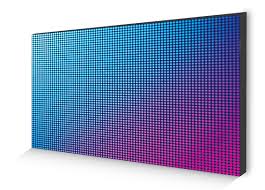
From a technical perspective, an effective LED taxi display system combines several key components:
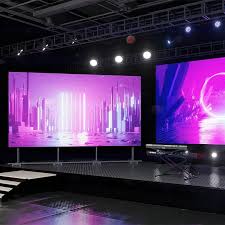
1. Controller Unit: Embedded microcontrollers manage the content displayed, allowing operators to update messages remotely via wireless networks, ensuring timely information dissemination.
2. Power Management: Designed for vehicles, these displays integrate with the taxi’s 12V or 24V electrical systems, incorporating surge protection and low power consumption drivers to maintain durability and operational longevity.
3. Enclosure and Durability: IP65-rated housing ensures resistance to dust, rain, and vibration, critical for the harsh operating conditions taxis endure daily.
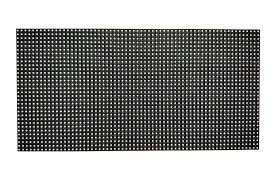
Case studies from major metropolitan cities like New York, London, and Tokyo demonstrate the practical benefits of LED taxi displays. For instance, a New York City pilot program revealed a 25% improvement in pickup efficiency and a notable reduction in passenger wait times by facilitating clearer communication with potential riders. Similarly, London taxis equipped with dynamic LED signage saw enhanced safety during night hours, as visible status indicators reduced confusion for pedestrians and other drivers.
Beyond operational advantages, LED taxi displays offer compelling opportunities for advertising and brand engagement. By deploying programmable content, taxi owners can broadcast promotions, public service announcements, or dynamic pricing messages, optimizing advertising revenue streams. Continuous advancements in LED driver ICs and calibration techniques now allow for uniform brightness and color reproduction across the display, ensuring professional, eye-catching presentations.
In terms of compliance and safety, LED taxi displays must adhere to local transportation authority regulations. These often specify mounting locations, brightness limits to avoid driver distraction, and content restrictions. The National Highway Traffic Safety Administration (NHTSA), for example, provides guidelines for adequate visibility without impairing driver focus. Manufacturers increasingly incorporate adaptive brightness controls and content scheduling options to meet these regulatory requirements.
Looking ahead, integration of LED taxi displays with IoT (Internet of Things) platforms and AI-driven analytics is expected to revolutionize urban taxi services further. Real-time data exchange will enable predictive maintenance alerts, dynamic route optimization, and personalized passenger information, setting new standards in smart city transportation.
In conclusion, LED taxi displays represent a technical and strategic evolution in the taxi industry. With superior visibility, programmable content, and robust durability, these displays enhance commuter communication, safety, and revenue opportunities, aligning with modern demands for intelligent transportation solutions. For taxi fleet operators and urban mobility planners, investing in advanced LED display technology is crucial to staying competitive and serving the future of city transportation efficiently.













