

Advanced LED Display Technology: Practical Applications, Advantages, Common Issues, and Emerging Trends
The evolution of LED display technology has greatly transformed visual communication across numerous industries worldwide. As a professional LED display engineer, I will provide an authoritative overview of LED display systems, exploring their practical applications, key advantages, common challenges encountered during manufacturing and operation, and the latest trends shaping the industry as of 2024.
LED (Light Emitting Diode) displays leverage semiconductor diodes that emit light when an electric current passes through. These displays are distinguished by their high brightness, superior energy efficiency, wide viewing angles, and long operational lifespans. Advancements in miniaturization and control circuits have further enhanced resolution and display quality, enabling LED technology to surpass traditional display solutions like LCD in many scenarios.
Practical Applications
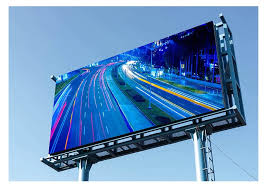
LED displays are ubiquitous in sectors such as advertising, sports and entertainment, transportation, retail, and information dissemination. Outdoor digital billboards utilize high-brightness LED panels with typical luminance levels exceeding 5,000 nits to ensure visibility under direct sunlight, complying with standards like IEC 60598 for luminous efficacy. Stadiums and arenas employ large-format LED screens with pixel pitches ranging from 2mm to 10mm for live event broadcasting and immersive audience engagement. Additionally, LED screens are integral to control rooms, public transport stations, and corporate environments for dynamic data visualization.
Advantages of LED Displays
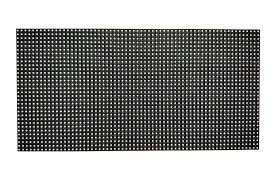
1. Brightness and Contrast: LED displays can achieve brightness levels over 10,000 nits, providing exceptional visibility even in challenging lighting conditions. Their ability to dim and support true black levels (especially in OLED variants) enables high contrast ratios exceeding 100,000:1.
2. Energy Efficiency: Compared to traditional LCD backlit solutions, LEDs consume up to 50% less power, contributing to lower operating costs and environmental impact. Their efficiency is governed by semiconductor material quality and drive electronics optimized based on standards such as ANSI/IES RP-27.9.
3. Durability and Lifespan: High-quality LEDs offer lifespans beyond 100,000 hours of operation, maintaining color consistency through phosphor conversion technology. LED panels typically integrate protection conforming to IP65 or higher for outdoor use, making them resilient against dust and moisture.
4. Flexible Form Factors: Modern manufacturing techniques allow for curved, transparent, and flexible LED displays, significantly expanding design possibilities for architectural integration and innovative marketing.
Common Problems and Solutions
While LED display technology has matured, several challenges remain:
- Color Uniformity and Calibration: Over time, LEDs can degrade unevenly, causing inconsistent color reproduction. Implementing advanced calibration systems, including sensors and AI-based algorithms, ensures accurate color balance throughout the panel’s lifecycle.
- Heat Dissipation: Excessive heat impacts LED efficiency and longevity. State-of-the-art heat sink designs and active cooling mechanisms, following thermal management best practices (refer to IEC 60529 for ingress protection levels), are critical for maintaining operational stability.
- Pixel Failure: Dead or stuck pixels can occur due to manufacturing defects or electrical issues. Employing modular panel designs facilitates easy replacement and maintenance, reducing downtime.
- Image Retention and Burn-in: Although less prevalent in LED than OLED, prolonged static content display can cause image persistence. Strategies like dynamic content rotation and screen savers mitigate this issue.
Latest Trends in LED Display Technology
1. MicroLED Displays: Representing the frontier of display engineering, MicroLED technology features microscopic LEDs approximately 1 to 10 microns in size. This innovation offers unprecedented brightness, contrast, and durability with significantly reduced power consumption, enabling ultra-high-resolution applications including augmented and virtual reality devices.
2. AI-Driven Content Optimization: Integration of AI enables adaptive brightness control and content adjustment based on ambient conditions and viewer engagement metrics, maximizing visual impact and energy efficiency.
3. Sustainability Focus: Manufacturers are increasingly adopting eco-friendly materials and recycling practices in line with global regulations such as the EU’s Restriction of Hazardous Substances Directive (RoHS) and Waste Electrical and Electronic Equipment Directive (WEEE).
4. Wireless and IoT Integration: LED displays are now connected via wireless protocols, facilitating remote control, diagnostics, and real-time content updates, which enhances operational efficiency especially in large-scale digital signage networks.
In conclusion, LED display technology continues to advance rapidly, combining engineering precision with creative flexibility. As industries demand more interactive, energy-efficient, and durable displays, the integration of emerging materials, AI capabilities, and sustainable manufacturing will define the future landscape. Professionals in this field must stay abreast of these developments to design and maintain LED systems that meet evolving technical and market requirements.













