

Advanced LED LCD Screen Manufa...
Advanced LED LCD Screen Manufacturing: Engineering Insights and Industry Standards
In the rapidly evolving field of display technology, LED LCD screens have become a cornerstone for applications ranging from consumer electronics to large-scale commercial displays. As a professional LED display engineer with extensive experience in manufacturing processes, this article delves into the critical technical parameters, engineering principles, and industry standards that ensure reliability, performance, and visual excellence in LED LCD screen production.
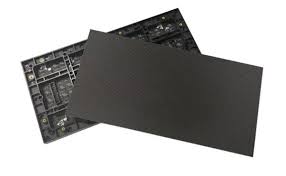
The integration of LED backlighting with Liquid Crystal Display (LCD) technology has revolutionized screen performance by enhancing brightness, color accuracy, and energy efficiency. A fundamental aspect of manufacturing LED LCD screens lies in the precise control of several parameters:
1. Panel Resolution and Pixel Density:
High-definition LED LCDs require exact pixel arrangement to produce crisp images. The pixel density, measured in pixels per inch (PPI), directly affects image clarity. For consumer-grade 4K displays, pixel density may range from 100 to 200 PPI depending on screen size, whereas specialized medical or industrial monitors often exceed 300 PPI for greater detail.
2. Backlight Unit (BLU) Configuration:
The LED backlight is responsible for illuminating the LCD matrix. Manufacturing practices utilize edge-lit or direct-lit LED arrays, where uniformity in luminance and color temperature is critical. Industry standards such as IEC 61966-2-1 and ISO 9241-307 specify color fidelity and luminance uniformity requirements. For example, luminance uniformity should be no less than 85% across the panel to prevent hotspots and shadowing.
3. Color Gamut and Calibration:
Color accuracy is paramount. LED LCD screens typically cover at least 95% of the sRGB color space, with high-end screens targeting AdobeRGB or DCI-P3 color gamuts for professional use. Manufacturers employ advanced calibration tools and software such as CalMAN or SpectraCal to achieve deltaE values below 2, ensuring the perceived color difference is imperceptible to the human eye.
4. Refresh Rate and Response Time:
To reduce motion blur and improve viewing comfort, refresh rates of 60Hz are standard, but gaming and specialized displays push this number to 120Hz or higher. Response times in the range of 1 to 5 milliseconds are targeted, minimizing ghosting and latency. Utilizing advanced LED driving circuits and overdrive technologies optimizes these parameters.
5. Thermal Management:
LED backlights generate heat that can impact component lifespan and performance. Effective thermal management systems, including heat sinks, thermal pads, and optimized airflow designs, are implemented in manufacturing to maintain operating temperatures below 50°C. This prolongs LED life and maintains consistent luminance levels.
6. Quality Control and Reliability Testing:
Manufacturing processes adhere to ISO 9001 quality management and undergo rigorous testing based on JEITA standards. Tests include thermal cycling, humidity resistance (85°C/85% RH), and mechanical shock to ensure durability. Mean time between failures (MTBF) for LED modules typically exceeds 50,000 hours.
7. Environmental and Energy Efficiency Standards:
Compliance with RoHS (Restriction of Hazardous Substances) and Energy Star standards reflects a manufacturer’s commitment to sustainability. LED LCD displays are designed to consume 30-50% less power compared to traditional CCFL-backlit screens, aligning with international energy efficiency protocols.
Case studies from industry leaders, such as Samsung Display and LG Display, showcase the application of these engineering principles. For instance, Samsung’s Quantum Dot LED LCD panels leverage nanocrystal technology to extend color range while maintaining energy efficiency and durability, meeting the stringent TCO Certified Display 9 standards.
In conclusion, the manufacturing of LED LCD screens demands a sophisticated balance of optical engineering, electronics, and quality assurance. By adhering to international standards and embracing innovations like quantum dot technology and AI-based calibration, manufacturers can deliver displays that meet diverse industry needs—whether for consumer devices, medical imaging, or outdoor digital signage. The future of LED LCD manufacturing lies in continued advancements in material science, precision engineering, and integrated system design to create brighter, sharper, and more energy-efficient displays.
LED LCD manufacturing, LED backlighting, display resolution, color calibration, thermal management
Explore key engineering insights and industry standards in LED LCD screen manufacturing, including pixel density, LED backlighting configurations, color accuracy, thermal management, and quality control protocols to ensure high performance and reliability.













