

Advances and Practical Insights in LED Display Technology: Applications, Advantages, and Emerging Trends
LED display technology has become a cornerstone in both commercial and consumer electronics, revolutionizing the way visual information is presented across industries. As an LED display engineer with comprehensive expertise in LED and LCD manufacturing, it is vital to understand not only the underlying technology but also its practical applications, advantages, inherent challenges, and the latest industry developments.
Practical Applications of LED Displays
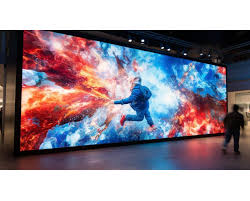
LED (Light Emitting Diode) displays are extensively used in numerous sectors including advertising, transportation, sports, entertainment, and consumer electronics. Large-format LED video walls dominate outdoor advertising due to their high visibility and durability under varying weather conditions. For instance, stadiums utilize LED screens to provide clear, high-brightness video broadcast and instant replays, ensuring excellent viewing experiences even in sunlight.
In the realm of retail and corporate environments, LED displays serve as dynamic digital signage solutions, capable of displaying vibrant content with high color accuracy and contrast. Indoor fine-pitch LED panels now compete heavily with LCD technologies by offering higher refresh rates and wider viewing angles, critical for control rooms and broadcast studios.
Advantages of LED Displays
LED displays outperform traditional LCDs in several technical parameters:
- Brightness and Visibility: Most commercial LED displays exhibit brightness levels ranging from 1,000 to over 5,000 nits, significantly higher than typical LCD panels capped around 300-500 nits. This ensures readability in direct sunlight or brightly lit environments.
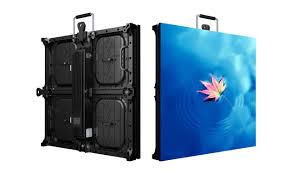
- Contrast Ratio and Color Accuracy: Modern LED displays achieve contrast ratios exceeding 10,000:1, delivering deep blacks and vivid colors. Advances in quantum dot-enhanced LEDs also boost color gamut coverage, approaching or surpassing DCI-P3 and AdobeRGB standards.
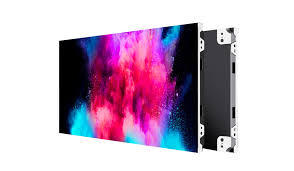
- Energy Efficiency and Lifetime: LEDs are inherently more energy-efficient than CCFL or white LED-backlit LCDs, with typical panel lifetimes of 50,000 to 100,000 hours under normal operating conditions, reducing total cost of ownership.
- Flexibility and Scalability: LED modules can be assembled into custom sizes and shapes, enabling curved, cylindrical, or even transparent displays that LCD technology struggles to accommodate.
Common Issues and Industry Challenges
Despite their advantages, LED displays face several technical and operational challenges:
- Heat Management: LED modules generate significant heat, which if not adequately dissipated, can degrade performance and shorten lifespan. High-performance thermal management solutions—such as aluminum heat sinks and active cooling—remain crucial design elements.
- Pixel Failure and Uniformity: Dead or stuck pixels in LED modules are common, leading to display artifacts. Strict quality control and modular designs allowing easy replacement of faulty panels are critical to maintaining overall image quality.
- Color Calibration and Ambient Light Compensation: Variations in ambient lighting conditions can affect perceived color fidelity. Advanced calibration techniques, including embedded sensors for brightness and color temperature adjustment, are increasingly integrated to ensure consistent image quality.
- High Initial Cost: Although prices have declined over the years, high-resolution LED displays still command a premium compared to LCDs, limiting uptake in cost-sensitive markets.
Latest Trends Shaping LED Display Technology
The LED display market continues to evolve, driven by technological innovations and changing user demands:
- Mini-LED and Micro-LED Technologies: Mini-LEDs reduce the size of individual LEDs allowing finer pixel pitches and improved contrast control through local dimming. Micro-LEDs push this further, offering self-emissive displays that surpass OLED in brightness and durability, poised to disrupt premium display segments.
- Integration of AI and IoT: Smart LED displays now incorporate AI-based content optimization and IoT connectivity to adapt content dynamically, optimize energy use, and enable remote diagnostics.
- Transparent and Flexible LED Displays: Advances have enabled ultra-thin, semi-transparent LED panels used in retail storefronts and automotive HUDs (Heads-Up Displays), enhancing user engagement without obstructing visibility.
- High Refresh Rate and 8K Resolution: With rising demand for ultra-high resolution video walls, manufacturers now deliver LED solutions capable of 8K resolution with refresh rates exceeding 120Hz, essential for immersive AR/VR setups and large-scale event broadcasting.
Conclusion
LED display technology stands as a robust and dynamic platform essential to modern visual communication. Understanding its applications, advantages, and challenges helps stakeholders optimize solutions tailored to specific needs. Keeping abreast of innovations like Micro-LED, AI integration, and advanced calibration ensures leveraging LED displays’ full potential while maintaining reliability and cost-efficiency. Industry standards such as IEC 62368-1 for safety and ISO 9241-302 for visual ergonomics continue to guide the design and deployment of these displays, ensuring users worldwide benefit from safe, vibrant, and durable visual experiences.













