

Advanced Insights into LED Display Manufacturing: Technology, Standards, and Industry Best Practices
In the rapidly evolving field of LED display manufacturing, understanding technical parameters, adhering to industry standards, and implementing best practices are crucial for delivering high-quality, reliable products that meet global market demands. This article synthesizes the latest advancements and authoritative insights based on professional experience and industry data up to October 2024, aiming to provide a comprehensive guide for engineers, manufacturers, and stakeholders in the LED display sector.
Introduction
LED (Light Emitting Diode) displays have become a dominating technology in visual communications due to their superior brightness, energy efficiency, and long lifespan compared to traditional LCDs and other display technologies. Used extensively in advertising, broadcasting, sports arenas, and indoor/outdoor signage, these displays must conform to stringent technical specifications and quality standards to ensure optimal performance and durability across different environments. Understanding the intricacies of LED manufacturing, including material selection, screen assembly, pixel configuration, and testing methodologies, is fundamental to achieving industry excellence.
Main Body
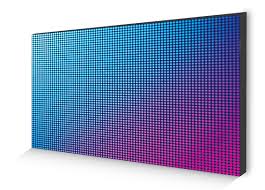
1. Technological Fundamentals of LED Displays
LED displays consist of arrays of tiny LEDs arranged to represent pixels that emit light when electrically stimulated. Key technical parameters influencing display quality include:
- Pixel Pitch: Defined as the distance in millimeters between the centers of two adjacent pixels, a smaller pixel pitch (e.g., 0.9mm to 3mm) allows for higher resolution and closer viewing distances, essential for indoor applications. Outdoor displays typically have larger pitches (4mm to 20mm) to enhance brightness and visibility over longer distances.
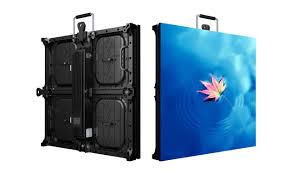
- Brightness and Contrast Ratio: Measured in nits, brightness is critical for visibility under various lighting conditions. Indoor LED screens generally range from 800 to 1500 nits, while outdoor screens can exceed 5000 nits. Contrast ratios of 3000:1 or higher provide vivid image reproduction essential for dynamic content.
- Color Accuracy and Calibration: Using calibration techniques like color mapping and gamma correction ensures precise color reproduction, maintaining consistency across large video walls or multi-panel setups.
- Refresh Rate: High refresh rates (above 3840 Hz) are vital to reduce flicker and improve image smoothness, especially for video broadcasting.
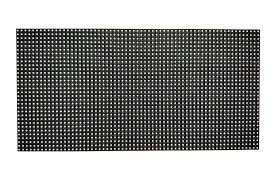
2. Materials and Manufacturing Processes
The quality of LED displays hinges on both component selection and assembly precision:
- LED Chips and Packaging: Sourcing LED chips from reputable manufacturers ensures uniform brightness and lifespan. Packaging technology affects heat dissipation—using materials like ceramics and aluminum substrates enhances thermal management, extending LED longevity.
- Control Systems: Sophisticated driver ICs and control boards manage pixel activation and synchronization. Advanced control systems enable high grayscale levels (up to 16-bit), delivering smooth gradient visuals.
- Module Fabrication: LED modules undergo surface mount device (SMD) or through-hole assembly. SMD technology offers superior pixel density and color uniformity, making it the preferred method for modern displays.
- Cabinet Design and Structure: Lightweight, corrosion-resistant cabinets with IP65 or higher ratings are standard for outdoor usage, ensuring protection against dust and water ingress per IEC 60529.
3. Industry Standards and Testing Protocols
Adhering to international standards is critical for quality assurance and global market acceptance:
- IEC 62368-1: Provides safety requirements for electronic equipment, including LED displays, ensuring electrical and operational safety.
- RoHS Compliance: Restricts hazardous substances in components, promoting environmental sustainability.
- ColorGamut and JNCD Standards: Utilize color gamut coverage and Just Noticeable Color Difference (JNCD) metrics to ensure color uniformity.
- Testing Methodologies: Manufacturers perform tests including burn-in (operating duration tests), temperature cycling, vibration, and brightness uniformity checks using photometric equipment like spectroradiometers.
Case studies in industry illustrate deployment of quality management systems (ISO 9001) and Six Sigma approaches to reduce defects and improve manufacturing consistency. Large-scale installations, such as stadium LED screens incorporating UHD resolutions with pixel pitches below 2mm, demonstrate the feasibility of ultra-high-definition LED technology driven by meticulous engineering.
Conclusion
Mastering the manufacture of LED displays requires integrating sophisticated technology with rigorous quality controls and adherence to global standards. As the industry trends towards higher resolution, greater brightness, and enhanced durability, continued innovation in materials science, control electronics, and manufacturing processes will drive future advances. Engineers and manufacturers must maintain comprehensive understanding and practice meticulous quality assurance to meet international demands and deliver superior LED display solutions that excel in a diverse array of applications worldwide.













