

LED Display Technology in Manufacturing: Standards, Parameters, and Best Practices
The evolution of LED display technology has revolutionized modern visual communication, branding, and information dissemination across myriad industries. As a professional LED display engineer with extensive experience in design, manufacturing, and quality control, I delve into the critical technical aspects, industry standards, and practical applications that underline successful LED screen manufacturing.
Introduction
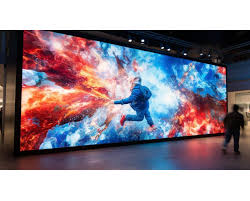
LED (Light Emitting Diode) displays have become the cornerstone for dynamic imagery in commercial, entertainment, and industrial sectors. Their high brightness, energy efficiency, and longevity make them an optimal choice for indoor and outdoor applications. However, producing LED displays that meet stringent performance and reliability criteria requires in-depth expertise and adherence to established standards. This article explores the technical parameters, industry benchmarks, and manufacturing best practices essential for creating high-quality LED displays.
Main Body
1. Technical Parameters and Standards
The LED display’s performance is determined primarily by factors such as pixel pitch, brightness, refresh rate, color accuracy, and power consumption.
- Pixel Pitch: Defined as the distance between the centers of two adjacent pixels, pixel pitch directly influences resolution and viewing distance. For indoor screens, pitches typically range from 0.9mm to 3.9mm, enabling high-definition display even at close proximity. Outdoor displays often use larger pitches (e.g., 4mm to 20mm) to ensure visibility at longer ranges while managing cost-effectiveness.
- Brightness: Brightness is measured in nits (cd/m²). For outdoor applications, brightness levels generally exceed 5,000 nits to combat sunlight glare. Indoor displays require lower brightness, around 800 to 1,200 nits, to preserve color quality and prevent eye strain. The International Electrotechnical Commission (IEC) 62717 standard provides guidelines on luminance for LED modules.
- Refresh Rate: A critical parameter influencing motion clarity, refresh rates above 1920 Hz are preferred for LED screens, particularly in broadcast and live event settings. Higher refresh rates reduce flickering, enhancing viewer comfort.
- Color Accuracy and Depth: High-fidelity color reproduction demands 14-bit or higher color depth with precise gamma correction. Calibration against standards such as Rec. 709 or DCI-P3 ensures consistency in color rendering, critical for professional video applications.
- Power Consumption and Thermal Management: LED modules must be engineered for energy efficiency. Utilizing constant-current drivers and advanced thermal dissipation techniques extends lifespan and maintains brightness stability.
Industry organizations like the Digital Signage Federation (DSF) and the Society for Information Display (SID) provide extensive guidelines on performance testing and quality assurance for LED displays.
2. Manufacturing Best Practices
High-quality LED display manufacturing involves systematic processes, from component sourcing to final assembly and testing.
- Component Quality Control: Sourcing LEDs from reputable manufacturers (e.g., Nichia, Osram, Cree) ensures consistent luminance and chromaticity. Rigorous Quality Control (QC) includes binning LEDs according to brightness and color temperature, following JEDEC standards.
- PCB Design and Assembly: Printed Circuit Boards (PCBs) must support controlled impedance and minimize electrical noise. SMT (Surface Mount Technology) processes ensure precise placement of LEDs and driver ICs.
- Module Construction: Use of robust materials and conformal coatings protects modules against environmental factors. For outdoor displays, IP65 or higher ingress protection is standard to prevent dust and water damage.
- Quality Testing: Comprehensive testing regimes include photometric analysis, thermal cycling, humidity exposure, and vibration tests to simulate real-world stresses. Manufacturers implement Industry 4.0 IoT-enabled monitoring systems for process automation and traceability.
3. Case Studies and Industry Trends
A notable example is the deployment of an ultra-fine pitch LED display for a global broadcasting studio. Utilizing a 0.9mm pixel pitch and a refresh rate of 3840 Hz, the display enabled seamless 4K content playback under studio lighting conditions, significantly enhancing viewer experience.
In the outdoor segment, a stadium LED display installation adhered strictly to IEC 62471 safety standards to mitigate eye safety risks while delivering over 7,000 nits brightness for daylight visibility.
Emerging trends include MicroLED technology promising higher efficiency and better pixel density, and AI-driven calibration systems that adapt display parameters dynamically based on ambient conditions.
Conclusion
The manufacturing of LED displays is a multifaceted discipline requiring a blend of engineering precision, rigorous standard compliance, and relentless quality control. Understanding critical technical parameters—such as pixel pitch, brightness, refresh rate, and power management—and adhering to authoritative industry standards underpin the development of reliable, high-performance products. With ongoing advancements like MicroLED and intelligent systems integration, the future of LED displays promises ever more immersive and energy-efficient solutions for global markets.
Maintaining a customer-focused approach along with continuous technological innovation ensures that LED manufacturers can meet the diverse needs of various sectors, from advertising to broadcast and beyond.













