

Taxi Top LED Display Price Analysis and Key Factors Influencing Costs
In recent years, Taxi Top LED Displays have become an essential advertising medium in urban environments worldwide. They offer dynamic, eye-catching visuals for advertisers while generating additional revenue streams for taxi operators. Understanding the pricing structure of taxi top LED displays is crucial for fleet managers, advertisers, and suppliers aiming for effective budgeting and cost-efficiency.
Overview of Taxi Top LED Displays
Taxi top LED displays are digital billboards mounted on the rooftop of taxis. They utilize high-brightness LED modules capable of delivering vivid colors and high-resolution graphics visible even in direct sunlight. The displays must be lightweight, weatherproof (typically rated IP65 or higher), and energy-efficient to ensure optimal performance and durability in various environmental conditions.
Technical Parameters Affecting Price
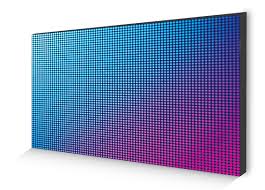
1. Display Size and Resolution:
Taxi top LED displays typically range from 48 inches to 70 inches diagonally. The resolution can vary from P3 (3mm pixel pitch) to P6, directly influencing visual clarity and cost. For example, a P3 LED panel will generally cost 20-30% more than a P6 panel due to higher pixel density and sharper image quality.
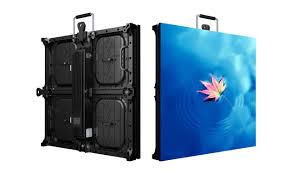
2. Brightness and Viewing Angle:
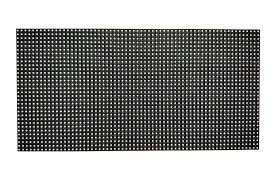
Brightness levels between 4000 to 7000 nits are common for outdoor taxi top screens, ensuring readability during the day. High brightness LEDs with wide viewing angles (up to 160°) add to manufacturing costs but are essential for maximum visibility.
3. Weather Resistance and Build Quality:
IP65 or higher-rated enclosures prevent dust and water ingress, extending the display lifespan. Using corrosion-resistant materials and robust enclosures designed to withstand vibrations and shocks from vehicle motion also influences pricing.
4. Connectivity and Software Integration:
Modern taxi top LED displays incorporate wireless data transmission technologies such as 4G/5G, enabling real-time remote content updates. Integrated smart software platforms allow for automatic scheduling, ad rotation, and monitoring, which add to the system's complexity and cost.
5. Power Consumption and Energy Efficiency:
With the need to minimize power drain on the taxi’s electrical system, energy-efficient LED drivers and power management modules contribute significantly to development costs.
Price Range and Market Insights
Based on industry data and multiple supplier quotations gathered in 2024, the average price for a medium-sized taxi top LED display (approx. 60 inches, P4 resolution) ranges between $1,800 to $3,500 USD per unit. Custom options such as higher resolutions, enhanced durability features, and advanced wireless capabilities can push prices above $4,500 USD.
Emerging markets might see slightly lower prices due to localized manufacturing, but quality and after-sales support may vary.
Case Study: Fleet Upgrade in Singapore
A Southeast Asian taxi fleet upgraded 300 vehicles with P5 resolution taxi top LED displays incorporating 5G connectivity and software-driven ad scheduling. The project cost around $3,200 per display, including installation and a 2-year maintenance package. The fleet reported a 15% increase in advertising revenue within six months due to enhanced visibility and dynamic ad capabilities.
Factors Influencing Total Cost
- Installation and Maintenance: Professional installation involves mounting brackets, electrical integration, and cabling, which typically adds 10-15% to the hardware cost.
- Content Licensing and Management: Subscription to content management systems might cost $100 to $300 monthly per display.
- Volume Discounts: Large fleet purchases often qualify for reduced unit prices and extended warranties.
Best Practices When Purchasing Taxi Top LED Displays
- Assess your operational environment to choose appropriate IP ratings and brightness levels.
- Balance pixel pitch and cost—while finer pitch enhances image quality, it may not be necessary for displays viewed primarily from a distance.
- Evaluate software capabilities and connectivity options; cloud-based management systems simplify content control across large fleets.
- Ensure supplier compliance with relevant standards such as IEC 60529 for ingress protection and ISO 7637 for vehicle electrical compatibility.
Conclusion
Understanding the technical parameters and market factors influencing taxi top LED display prices empowers stakeholders to make informed decisions. By aligning specifications with operational needs and budget constraints, taxi operators and advertisers can optimize both investment and advertising impact.
As the digital out-of-home advertising sector evolves, technological advancements and economies of scale are expected to drive more affordable, feature-rich taxi top LED displays in the coming years.
Sources:
- International Electrotechnical Commission (IEC) standards
- Market industry reports (LEDinside, 2024)
- Case studies from transport authorities in Singapore and Europe
- Manufacturer datasheets (NovaStar, Liantronics)













