

Advances and Best Practices in LED LCD Screen Manufacturing: Technical Insights and Industry Standards
The manufacturing of LED LCD screens has evolved significantly over the past decade, driven by advances in semiconductor technology, materials science, and precision engineering. As a professional LED display engineer with extensive experience in the design, production, and quality assurance of LED LCD screens, it is critical to understand both the technical parameters that define display performance and the industry best practices that underpin reliable, high-quality manufacturing.
Technical Foundations of LED LCD Screens
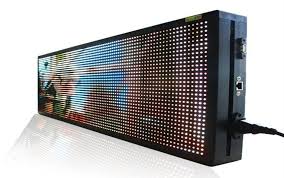
An LED LCD screen, commonly found in consumer electronics, professional monitors, and large-scale digital signage, consists mainly of two components: the Liquid Crystal Display (LCD) panel and the LED backlighting system. The LED backlight improves brightness, energy efficiency, and color gamut compared to traditional CCFL (Cold Cathode Fluorescent Lamp) backlights.
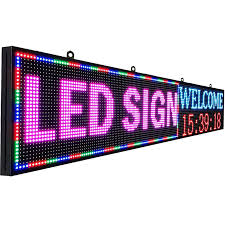
Key technical parameters to consider in LED LCD manufacturing include:
- Resolution and Pixel Density (PPI): The resolution, such as Full HD (1920×1080), 4K UHD (3840×2160), or higher, defines the image clarity. Pixel density, measured as pixels per inch (PPI), affects sharpness and detail reproduction. For professional-grade displays, PPI values above 150 are typical.
- Color Gamut and Accuracy: Using wide color gamut LEDs (e.g., Red-Green-Blue LED backlights) can cover standards such as Adobe RGB, sRGB, or DCI-P3. Achieving Delta E< 3 is standard for color accuracy, ensuring true-to-life colors in media production or medical imaging.
- Brightness and Contrast Ratio: LED backlights enable luminance levels exceeding 1000 cd/m² in HDR displays, with contrast ratios over 1000:1 for LCD panels using advanced IPS (In-Plane Switching) technology. The integration of local dimming techniques further enhances contrast by selectively controlling LED zones.
- Response Time and Refresh Rate: Modern LED LCD screens feature response times from 1ms to 5ms and refresh rates ranging from 60Hz to 240Hz, crucial for gaming and dynamic content, minimizing motion blur.
- Viewing Angles: IPS technology offers wide viewing angles, typically 178° horizontally and vertically, maintaining color and luminance consistency across wide perspectives.
Manufacturing Processes and Quality Control
Producing LED LCD screens requires stringent control throughout multiple process stages, including wafer fabrication, assembly, and calibration.
1. LED Backlight Module Assembly: The selection of LEDs (such as SMD LEDs or Mini-LEDs) and precise placement ensures uniform luminance. Advances in Mini-LED and MicroLED technologies are gradually pushing the envelope in brightness, contrast, and energy efficiency.
2. LCD Panel Production: This involves the accurate alignment of liquid crystal molecules, polyimide alignment layers, and the integration of thin film transistors (TFTs) on glass substrates. Cleanroom environments (Class 1000 or better) are mandatory to prevent dust-induced pixel defects.
3. Bonding and Lamination: The LED backlight is bonded to the LCD panel using optical adhesives that minimize light loss and prevent reflection, enhancing overall luminance efficiency.
4. Calibration and Color Profiling: Post-assembly, screens undergo grayscale tracking and gamma calibration using spectroradiometers to meet colorimetric standards like CIE 1931 and ITU-R BT.709.
5. Reliability Testing: Thermal cycling, moisture resistance, and mechanical stress tests comply with JEDEC standards (e.g., JESD22), ensuring durability under consumer and industrial conditions.
Latest Industry Trends
- Mini-LED and MicroLED Integration: These next-generation LED technologies offer finer local dimming, higher peak brightness, and thinner form factors. Mini-LED comprises thousands of tiny LEDs arranged in local dimming zones, dramatically improving HDR performance.
- Quantum Dot Enhancements: Incorporating quantum dot films in LED backlighting enhances color purity and wider gamut coverage, crucial for cinema-grade and professional editing displays.
- Energy Efficiency and Sustainability: Compliance with ENERGY STAR and EPEAT standards has prompted manufacturers to optimize power consumption without compromising performance, leveraging advances in LED efficacy and driver electronics.
- Flexible and Transparent Displays: Ongoing R&D in flexible substrates and transparent LCDs powered by LED backlighting paves the way for innovative applications in automotive HUDs and architectural installations.
Conclusion
Manufacturing LED LCD screens at scale demands rigorous adherence to process control, material quality, and continuous innovation in backlighting and panel technology. Industry standards such as ISO 9241 for display ergonomics and IEC 61966-2-1 for color management guide engineering decisions and ensure user satisfaction.
For engineers and manufacturers, staying abreast of technical parameter optimization—from pixel density and color calibration to thermal management and reliability testing—is fundamental. As LED LCD technology progresses toward Mini-LED and MicroLED integration with quantum dot enhancements, the future promises brighter, more color-accurate, and energy-efficient displays that meet the growing demands of various industries worldwide.
By combining deep knowledge of semiconductor physics, precision optics, and advanced manufacturing techniques, professionals in the LED LCD industry can foster product innovation that adheres to global quality standards and fulfills diverse application needs.













