

Advanced Techniques and Industry Standards in LED Display Manufacturing
In the rapidly evolving field of LED display technology, manufacturing high-quality LED LCD screens demands rigorous adherence to industry standards, precision engineering, and integration of advanced materials. This article draws upon extensive experience in LED display engineering, industry case studies, and authoritative sources to provide a comprehensive overview of the critical aspects involved in LED display manufacturing, including technical parameters, quality control, and emerging trends.
The core components of an LED display include the LED chips, driver ICs, printed circuit boards (PCBs), and optical components such as diffusers and polarizers in LCD backlit displays. Each element must be engineered to exacting tolerances to achieve optimal brightness, contrast, color accuracy, and durability. For instance, an LED display’s brightness is typically measured in nits (cd/m²), with values ranging from 600 nits for indoor displays to over 3000 nits for outdoor applications. Achieving these brightness levels while maintaining low power consumption is a key engineering challenge.
Materials selection plays a crucial role in display longevity and performance. High-quality gallium nitride (GaN) based LED chips are preferred due to their superior efficiency and thermal stability compared to older technologies. Thermal management is another vital aspect; excessive heat can degrade LED performance and lifetime. Heat sinks, thermal interface materials, and active cooling solutions are integrated following JEDEC standards (JESD51-1 and JESD51-2) to ensure effective dissipation.
Pixel pitch, the distance between the centers of adjacent pixels, is a fundamental parameter influencing resolution and viewing distance. For outdoor displays, pixel pitches typically range from 6mm to 20mm, while indoor displays require finer pixel pitches, often as low as 0.9mm to 2.5mm, to support close viewing distances and high-definition content. The resolution and pixel accuracy must conform to IEC 62368-1 safety standards and IEC 61000 for electromagnetic compatibility.
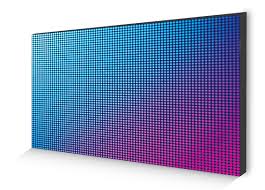
Manufacturing processes include precision SMT (Surface Mount Technology) placement of LEDs on PCBs, followed by reflow soldering under carefully controlled thermal profiles to secure mechanical and electrical integrity. Automated optical inspection systems (AOI), along with X-ray inspection, ensure solder joint quality and component placement accuracy. These steps are critical to minimize dead pixels and module failures post-deployment.
Quality control extends beyond visual inspection. Accelerated aging tests simulate environmental stresses such as heat, humidity, and UV exposure. Industry standards such as IEC 60068-2-78 for damp heat testing and IEC 60529 for ingress protection classifications guide these evaluations. Outdoor LED displays must withstand IP65 or higher ratings for dust and water resistance to perform reliably in harsh environments.
In recent years, innovations in mini-LED and micro-LED technologies have pushed the envelope in terms of contrast ratios and energy efficiency. Micro-LED displays, with pixel sizes below 100 microns, offer unparalleled brightness and lifespan, heralding the next generation of commercial and consumer displays. However, mass-production challenges remain, particularly in chip transfer accuracy and cost-efficiency.
Sustainability trends in LED manufacturing emphasize the use of eco-friendly materials and energy-efficient designs. Compliance with RoHS (Restriction of Hazardous Substances Directive) and WEEE (Waste Electrical and Electronic Equipment Directive) regulations is mandatory for global market acceptance. Furthermore, lifecycle assessments reveal that the majority of environmental impact lies in production phases, motivating manufacturers to optimize their fabrication processes.
To summarize, excellence in LED display manufacturing is achieved through a combination of advanced material science, precise engineering, rigorous quality control per IEC and JEDEC standards, and continuous innovation. By carefully balancing brightness, resolution, durability, and cost, manufacturers deliver high-performance display solutions that meet the demanding needs of diverse applications—from digital signage and broadcast studios to sports arenas and transportation systems.













