

Advanced LED LCD Screen Manufacturing: Expertise, Standards, and Practical Insights
In the rapidly evolving world of display technology, LED LCD screens have become a cornerstone in numerous applications—from consumer electronics to industrial monitors and large-scale video walls. With over a decade of industry experience and a strong foundation in engineering principles, this article delves into the manufacturing process of LED LCD screens, highlighting critical technical parameters, industry standards, and best practices that ensure performance, reliability, and visual excellence.
Understanding LED LCD Screen Technology
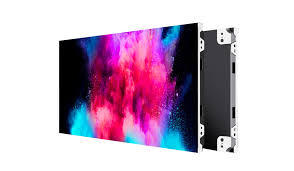
An LED LCD screen is fundamentally an LCD (Liquid Crystal Display) panel illuminated by Light Emitting Diode (LED) backlighting. Unlike traditional CCFL (Cold Cathode Fluorescent Lamp) backlights, LEDs offer greater energy efficiency, lower power consumption, higher brightness, and improved color accuracy. The LED backlight array can be either edge-lit or direct-lit, each configuration tailored to specific use cases.
Key Technical Parameters
Several critical technical parameters govern the performance of LED LCD screens:
- Resolution and Pixel Density: Standard resolutions range from Full HD (1920×1080) to 4K UHD (3840×2160) and beyond. Pixel density, measured in pixels per inch (PPI), affects clarity and is crucial for applications like medical imaging or professional design screens.
- Brightness and Contrast Ratio: Brightness is measured in nits (cd/m²). Typical indoor LED LCD displays operate around 300-500 nits, while outdoor displays can exceed 1,000 nits. Contrast ratio, often above 1000:1 for quality panels, indicates the difference between darkest black and brightest white, impacting image depth and color richness.
- Color Gamut and Accuracy: Industry standards such as sRGB, AdobeRGB, and DCI-P3 define expected color performance. High-end LED LCDs often achieve 99% or higher coverage of these color spaces, vital for visual media production.
- Response Time and Refresh Rate: Response times of 5 ms or lower and refresh rates up to 120 Hz are typical for smooth motion rendering, crucial in gaming or professional video applications.
Manufacturing Process and Quality Assurance
The manufacturing process starts from the selection of high-grade liquid crystals and manufacturing of TFT (Thin Film Transistor) arrays, which control pixel illumination. The application of LED backlights requires precision in ensuring uniform light distribution to avoid issues such as light leakage or hotspots.
Assembly lines adhere to ISO 9001 quality management standards to guarantee consistency. Additionally, the International Electrotechnical Commission (IEC) 62368-1 standard guides product safety to handle electrical, fire, and mechanical hazards associated with LED LCD products.
Quality control includes:
- Backlight Uniformity Testing: Using photometric instrumentation to measure luminance consistency across the panel surface.
- Color Calibration: Employing spectroradiometers to adjust and verify color accuracy against industry standards.
- Durability and Environmental Testing: Subjecting panels to thermal cycling, humidity, and vibration tests to meet standards such as MIL-STD-810G for rugged applications.
Emerging Trends and Innovations
The integration of Mini-LED and Micro-LED technologies is revolutionizing LED LCD displays by offering localized dimming capabilities, enhanced contrast ratios up to 1,000,000:1, and superior energy efficiency. These backlighting advancements contribute to near-OLED performance without the burn-in risk.
Furthermore, quantum dot enhancement films (QDEF) are widely adopted to expand color gamut and boost brightness. Quantum dots absorb blue LED light and re-emit pure green and red light, sharpening color output and improving overall display vibrancy.
Practical Recommendations for Manufacturers and Engineers
- Prioritize thermal management by incorporating efficient heat sinks and thermal conductive materials, as LED backlights produce heat that can degrade LCD performance over time.
- Implement anti-reflective coatings and Flicker-Free technologies to improve user comfort in various lighting conditions.
- Maintain stringent supplier vetting procedures to ensure components meet specified tolerances and longevity expectations.
- Leverage automated optical inspection (AOI) systems for early detection of pixel defects and alignment issues, reducing scrap and increasing yields.
Conclusion
Mastering the manufacture of LED LCD screens demands thorough technical knowledge, rigorous adherence to industry standards, and a commitment to continuous innovation. By meticulously controlling production variables and leveraging cutting-edge backlighting technologies, manufacturers can deliver displays that meet the diverse demands of today's market—from ultra-high-resolution desktop monitors to robust outdoor signage. This comprehensive approach not only enhances visual performance but also ensures durability and user satisfaction in an increasingly competitive global landscape.
References:
- International Electrotechnical Commission (IEC) 62368-1 Safety Standards
- ISO 9001 Quality Management Systems
- MIL-STD-810G Environmental Testing
- Society for Information Display (SID) Publications on Display Technologies













