

High Brightness TFT Display: Technical Insights and Industry Applications
The evolution of display technologies has led to the widespread adoption of Thin-Film Transistor (TFT) displays across numerous sectors, including automotive, industrial control, medical instruments, and outdoor signage. Among these, High Brightness TFT Displays have demonstrated unmatched performance in challenging lighting conditions, offering enhanced visibility and reliability. This article explores the technological design, key parameters, industry standards, and practical applications of high brightness TFT displays, providing a comprehensive understanding for engineers, designers, and decision-makers.
#Understanding High Brightness TFT Displays
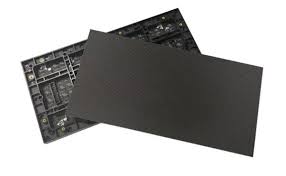
TFT LCD technology is a type of active matrix liquid crystal display that uses thin-film transistor technology to improve image qualities such as addressability and contrast. A standard TFT LCD typically has brightness levels ranging from 300 to 700 nits (cd/m²), but high brightness TFT displays often exceed 1000 nits, with some models achieving up to 2000 nits or more. The brightness level directly correlates with the display’s visibility in direct sunlight or brightly lit environments.
Technical Parameters to Consider:
1. Brightness (Nits): High brightness TFT LCDs are characterized by luminance levels typically between 1000 to 3000 nits, significantly outperforming conventional displays. For example, the industrial-grade model LTM230HL01 from Samsung offers 1500 nits with efficient power consumption.
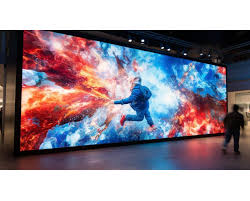
2. Contrast Ratio: Maintaining high contrast ratio at elevated brightness levels is critical. Typical contrast ratios range from 700:1 to 1500:1 in these displays, ensuring clear differentiation between dark and light images even under intense ambient light.
3. Viewing Angle: Wide viewing angles (e.g., 170° horizontal and vertical) help maintain image fidelity from different perspectives, crucial for outdoor and public information displays.
4. Response Time: Fast response times (5-10 ms) ensure dynamic content such as video and interactive interfaces render smoothly.
5. Power Consumption: High brightness lighting requires additional backlight intensity, impacting power budgets, especially for battery-powered devices. Utilization of LED backlighting technologies with local dimming or optical bonding can optimize energy efficiency.
#Technologies Enabling High Brightness
Achieving high brightness in TFT displays involves both backlight enhancement and panel optimization:
- LED Backlighting: Utilizing high-intensity white LEDs with improved light guides distributes brightness uniformly across the screen. More recently, direct backlight arrays with zonal dimming have enabled both energy savings and improved contrast.
- Optical Bonding: Eliminating the air gap between the glass and the touch panel reduces internal reflections, thereby improving contrast and brightness in high ambient light settings.
- Anti-Reflective Coatings: Multi-layer coatings minimize light reflection off the screen surface, directly enhancing visible luminance.
- Transflective Displays: These hybrid panels reflect ambient light to supplement backlighting, further improving readability under sunlight.
#Industry Applications and Case Studies
Automotive Displays: High brightness TFTs are essential for dashboard instruments and infotainment systems exposed to variable and strong sunlight. As per the ISO 11519-3 automotive display safety standard, these displays must maintain legibility to avoid driver distraction. The integration of high brightness TFTs in Tesla Model 3’s dashboard exemplifies this trend, combined with PWM dimming strategies to protect driver comfort.
Outdoor Digital Signage: Citywide information displays, advertising panels, and transport timetables require exceptional luminance levels. Research published by the Society for Information Display (SID) supports luminance of at least 1500 nits to ensure daytime visibility.
Medical Devices: Surgical monitors must provide clear imagery under surgical lights exceeding 10,000 lux. High brightness TFTs with precise color calibration (using standards such as DICOM Part 14) are crucial for diagnostic accuracy.
Industrial Environments: Control panels in factories or outdoor construction sites often face dusty, sunlight-exposed environments. Compliance with IP66 for dust and water resistance combined with high brightness simplifies operator interaction under harsh conditions.
#Challenges and Future Trends
Manufacturing costs and power consumption are primary challenges in implementing high brightness TFT panels. However, ongoing improvements in LED efficiency, materials engineering such as Quantum Dot enhancement films, and integration with low-power ASIC controllers are mitigating these issues.
Emerging trends include the adoption of Mini LED backlighting, offering localized dimming zones and greater brightness control, and microLED displays pushing brightness beyond 10,000 nits with seamless color uniformity, promising next-generation applications.
#Conclusion
High brightness TFT displays represent a critical component in technology systems requiring reliable performance under high ambient light. Their growing adoption across automotive, industrial, medical, and communication fields demonstrates their indispensable role. By understanding technical parameters, integration techniques, and industry standards, engineers can optimize these displays for enhanced user experience and operational success.
References:
- Society for Information Display (SID) Technical Digest, 2023.
- ISO 11519-3:2015 – Road Vehicles – Driver Display Safety.
- Samsung LTM230HL01 Datasheet, Samsung Electronics.
- DICOM Part 14 – Grayscale Standard Display Function, National Electrical Manufacturers Association (NEMA).













