

Advanced Manufacturing Techniques and Quality Standards in LED LCD Screen Production
In the rapidly evolving display technology landscape, LED LCD screens have emerged as a critical segment, combining the visual vibrancy of LED backlighting with the refined image control of Liquid Crystal Display (LCD) technology. As a professional LED display engineer with extensive industry experience, this article delves into the advanced manufacturing techniques, critical technical parameters, and stringent quality standards that define state-of-the-art LED LCD screen production.
Overview of LED LCD Technology
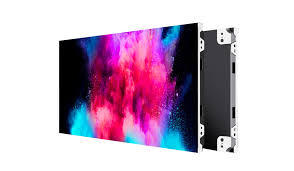
LED LCD displays are fundamentally LCD panels illuminated by arrays of Light Emitting Diodes (LEDs) instead of traditional Cold Cathode Fluorescent Lamps (CCFL). This configuration allows for improved brightness, energy efficiency, and localized dimming capabilities, which significantly enhance image contrast and color accuracy.
Key Technical Parameters
Several technical parameters are paramount in LED LCD screen manufacturing, including:
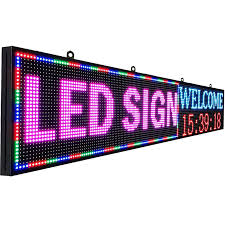
- Panel Resolution and Pixel Pitch: Common resolutions range from Full HD (1920×1080) to 4K UHD (3840×2160), with pixel pitch typically between 0.3mm and 0.6mm for consumer-grade displays, optimizing sharpness and clarity.
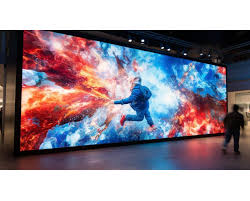
- Brightness Levels: High-end LED LCDs achieve brightness values around 1000 to 1500 nits, essential for outdoor readability and HDR content performance.
- Refresh Rate and Response Time: Refresh rates of 60 Hz to 240 Hz are typical, with response times as low as 1 ms necessary for reducing motion blur in gaming and video applications.
- Color Gamut and Accuracy: ISO 12647 standards guide color performance, with modern panels covering 95%+ of DCI-P3 or BT.2020 color spaces for cinematic and professional use.
- Contrast Ratio and Local Dimming: Utilizing full-array local dimming (FALD) LED backlights can enhance contrast ratios to over 1,000,000:1, delivering deep blacks and vivid highlights.
Manufacturing Process Innovations
The production process for LED LCD screens has embraced automation and precision technology to enhance yield and consistency:
- Wafer-Level LED Placement: High-precision pick-and-place machines position microscopic LEDs on backlight substrates, ensuring uniform luminance and color.
- Thin Film Transistor (TFT) Fabrication: Using advanced photolithography, TFT arrays are fabricated on glass substrates, controlling pixel activation with high accuracy.
- Encapsulation and Anti-Reflective Coatings: Effective encapsulation protects LEDs and liquid crystals from moisture and contaminants, while multi-layer anti-reflective coatings improve screen readability under ambient lighting.
Quality Assurance and Industry Standards
Ensuring durability and performance requires rigorous adherence to international standards and comprehensive testing:
- IEC 62087 specifies measuring methods for power consumption and performance metrics in flat panel displays.
- ISO 9241-307 defines ergonomic requirements for electronic visual displays, emphasizing user comfort and eye strain reduction.
- Manufacturers perform environmental stress testing, including thermal cycling (-20°C to 70°C) and humidity exposure (85% RH at 60°C) to assess reliability.
- Calibration using spectroradiometers ensures each unit meets color accuracy and brightness uniformity criteria before shipping.
Case Study: Enhancing Outdoor LED LCD Displays
A leading manufacturer implemented mini-LED backlighting with local dimming zones exceeding 1000 segments, paired with HDR10+ certification. This approach doubled peak brightness to 2000 nits while maintaining excellent power efficiency, verified by real-world outdoor testing under direct sunlight.
Future Trends
With the push towards more immersive, high-resolution content, emerging technologies such as MicroLED backlighting and quantum dot enhancements promise even better color reproduction, longer lifespan, and thinner panel designs. Integration of AI-driven calibration algorithms is also becoming standard, automatically optimizing display parameters in real-time.
Conclusion
The manufacturing of LED LCD screens is a complex interplay of materials science, precision engineering, and rigorous quality control guided by established industry standards. Advanced production techniques and adherence to strict technical parameters ensure that LED LCD displays meet the demanding needs of diverse applications, from consumer electronics to professional visual solutions.













