

Advanced LED LCD Screen Manufacturing: Technologies, Applications, and Industry Trends
In the rapidly evolving landscape of display technology, LED LCD screens have secured a dominant position thanks to their superior performance, cost-effectiveness, and versatility. As a professional LED display engineer with extensive experience in manufacturing, this article provides an authoritative analysis of LED LCD screen manufacturing, encompassing technical parameters, practical applications, advantages, challenges, and emerging trends shaping the industry in 2024.
Overview of LED LCD Screen Technology
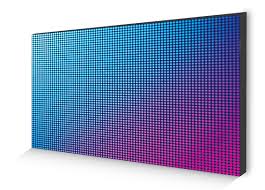
LED LCD (Liquid Crystal Display) screens rely on the interplay of liquid crystal cells and LED backlighting to produce vibrant images. Unlike traditional CCFL (Cold Cathode Fluorescent Lamp) backlights, LED backlighting uses light emitting diodes, enhancing energy efficiency, color accuracy, and lifespan. The fundamental structure comprises an LED backlight module, liquid crystal panel, color filters, and driver ICs.
Technical Parameters and Manufacturing Process
1. Pixel Structure & Resolution: Modern LED LCDs boast resolutions ranging from Full HD (1920x1080) to 8K (7680x4320). High pixel density (PPI - pixels per inch) is critical for applications like professional monitors and medical imaging. Typical PPI values range from 100 to over 450 depending on the screen size and purpose.
2. Backlight Specifications:
- LED Type: Edge-lit LEDs to Mini-LEDs and Micro-LEDs.
- Brightness: 250 to 1500 cd/m² (nits), with HDR displays exceeding 1000 nits for improved dynamic range.
- Color Gamut: Wide Color Gamut (WCG) standards like DCI-P3 or Adobe RGB, allowing over 90% coverage.
3. Contrast Ratio and Response Time: Contrast ratios of 1000:1 are standard, though enhancements like local dimming can push this higher. Response times, important for gaming and video, typically range between 1ms and 5ms.
4. Manufacturing Steps:
- TFT (Thin Film Transistor) Array Panel fabrication using photolithography.
- RGB Color Filter deposition ensuring accurate color reproduction.
- Assembly of the LED backlight, involving precise LED placement and encapsulation.
- Diffuser and prism films optimize light uniformity and viewing angles.
- Calibration and testing for color accuracy, brightness, and uniformity according to international standards such as ISO 9241-307 for visual ergonomics.
Practical Applications
LED LCD displays serve myriad industries, each requiring tailored specifications:
- Consumer Electronics: Smartphones, tablets, laptops, and TVs benefit from cost-effective, energy-efficient LED LCD screens with high resolutions and color fidelity. For example, the latest laptops incorporate mini-LED backlighting to offer deeper blacks and HDR capabilities.
- Medical Imaging: High-end LED LCD monitors with exacting color calibration and high brightness allow radiologists to detect fine details critical for diagnosis. Compliance with DICOM (Digital Imaging and Communications in Medicine) standards is mandatory.
- Automotive Displays: Instrument panels and infotainment systems use rugged LED LCD panels with extended temperature ranges (-40°C to 85°C) and anti-glare coatings. Integration with touch capabilities and sensors enhances user interaction.
- Industrial and Outdoor Signage: High brightness LED LCD panels designed with IP65-rated enclosures withstand harsh environments, making them ideal for digital billboards and control room displays.
Advantages of LED LCD over Other Technologies
- Energy Efficiency: LEDs consume significantly less power than CCFL backlights or traditional OLED panels, prolonging device battery life.
- Longer Lifespan: Typical lifespans exceed 50,000 hours before brightness degrades below 50%, outperforming many other display technologies.
- Cost and Scalability: Mature manufacturing processes and economies of scale enable affordable production of a wide range of screen sizes.
- Environmental Friendliness: Absence of mercury and reduced power consumption comply with RoHS and WEEE directives.
Common Challenges
Despite advancements, LED LCD screens face technical and manufacturing challenges:
- Backlight Bleeding and Uniformity Issues: Uneven LED diffusion can cause visible bright spots, especially in dark scenes. Solutions include using mini-LED local dimming and advanced diffuser films.
- Viewing Angles: LCD panels inherently suffer contrast and color shifts beyond 178°, though IPS (In-Plane Switching) and VA (Vertical Alignment) panels mitigate this.
- Thermal Management: High-brightness backlights need effective heat dissipation to maintain lifespan and performance, requiring sophisticated thermal design.
- Response Time Limitations: Though improved, LED LCD displays often lag behind OLEDs in response time and motion clarity, impacting fast-paced content like gaming.
Latest Industry Trends
1. Mini-LED and Micro-LED Integration: Mini-LED backlighting, with thousands of tiny LEDs, offers finer local dimming zones, delivering near-OLED contrast levels with LED LCD reliability. Micro-LED arrays promise future self-emissive displays combining LCD scalability with perfect black reproduction.
2. Quantum Dot Enhancement: Incorporating quantum dot (QD) films in LED LCD backlights significantly expands the color gamut and brightness, enabling displays that meet BT.2020 standards for next-gen HDR content.
3. Flexible and Transparent Displays: Advances in substrate materials allow bendable LCD panels, paving the way for novel applications like automotive HUDs and augmented reality devices.
4. Smart and Connected Displays: Integration of IoT functionalities with LED LCDs facilitates adaptive brightness control, environment sensing, and user interaction via embedded AI.
5. Sustainability Focus: Manufacturers increasingly embrace eco-friendly materials and circular economy principles, optimizing recyclability and reducing carbon footprints in production.
Conclusion
The LED LCD display industry remains a cornerstone of visual technology, balancing performance, affordability, and longevity. Continuous progress—especially with mini-LED backlighting, quantum dots, and smart integration—ensures LED LCD screens are well-positioned to meet future global demands across consumer electronics, healthcare, automotive, and industrial applications. Engineers and manufacturers must prioritize precision in calibration, quality control, and innovation to sustain leadership in this dynamic market.
For engineers and industry professionals, keeping abreast of international standards such as IEC 62368-1 (safety), ISO 9241 (ergonomics), and emerging trends ensures the design and production of robust, high-performance LED LCD screens that deliver superior user experiences worldwide.
References:
- International Electrotechnical Commission (IEC), IEC 62368-1 Standard, 2023
- Society for Information Display (SID), "LED-backlit LCD Technology Overview," 2024
- ISO 9241-307:2008, Ergonomics of human-system interaction - Visual display requirements
- Samsung Display, "Mini-LED Technology Whitepaper," 2024
- Sharp Corporation, "Quantum Dot Enhancement in Displays," 2023













