

Onboard Passenger Information Display Enclosure: Enhancing Safety and Durability in Transportation Systems
In modern public transportation systems, onboard passenger information display enclosures play a pivotal role in delivering real-time information efficiently and securely. These enclosures not only protect sensitive LED and LCD display technologies from harsh environmental conditions but also enhance the overall safety and user experience for passengers. Understanding the engineering principles, material selection, and design standards behind these enclosures is essential for manufacturers, operators, and system integrators.
Design Considerations and Industry Standards
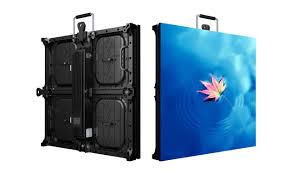
An onboard passenger information display enclosure must comply with stringent industry standards to ensure durability, safety, and operational reliability. Key standards include the IP (Ingress Protection) ratings defined in IEC 60529, which specify the enclosure’s ability to resist dust and water ingress. For public transit applications, enclosures typically require at least IP54 or higher, with some installations demanding IP65 for outdoor or high-humidity environments. Furthermore, compliance with EN 45545 (Railway applications – Fire protection on railway vehicles) is critical, specifying fire retardant and low smoke/toxicity materials to mitigate fire hazards onboard.
The enclosures are designed to withstand vibration, shocks, and temperature fluctuations common in subway trains, buses, and trams. Vibration resistance is often validated according to IEC 61373 standards, ensuring the displays maintain performance without failure in dynamic transit conditions.
Material Selection: Balancing Protection and Weight
Selecting the right material is a fundamental challenge. Common enclosure materials include aluminum alloys, stainless steel, and engineering plastics like polycarbonate or ABS composites. Aluminum alloys (e.g., 6061-T6) are preferred for their excellent strength-to-weight ratio, corrosion resistance, and thermal conductivity—critical for heat dissipation from LED/LCD panels. Stainless steel provides enhanced mechanical robustness and vandal resistance but often at the cost of increased weight.
Polycarbonate enclosures offer impact resistance and are lightweight, often used in interior applications where extreme mechanical protection is less critical. Additionally, surface coatings such as powder coating and anodizing enhance corrosion resistance and aesthetic appeal.
Thermal Management and Ventilation
LED and LCD screens generate heat during operation, and efficient thermal management within the enclosure is paramount to prolong display lifespan and maintain reliability. Passive cooling through aluminum heat sinks integrated into the enclosure design is a common approach. In cases where higher thermal dissipation is required, forced ventilation using compact fans or heat pipe technology may be incorporated.
Designing ventilation systems requires balancing airflow to remove heat while maintaining the enclosure’s ingress protection rating. Sealed compartments with internal heat exchangers or advanced phase change materials (PCMs) are emerging solutions to address these challenges without compromising the enclosure's environmental resistance.
Display Protection: Enhancing Visibility and Durability
The cover glass or transparent panel in front of the display is usually made from tempered or laminated safety glass with anti-reflective and anti-scratch coatings to maintain high visibility under diverse lighting conditions. The mechanical strength of this protective layer is vital to prevent damage from impacts or vandalism, especially in urban transit environments.
In addition, touch-enabled passenger information systems require enclosures designed to integrate capacitive or resistive touch layers without degrading optical clarity or touch sensitivity.
Case Study: Implementation in Metro Systems
A leading metropolitan subway system implemented IP65-rated aluminum enclosures housing 21.5-inch LCD passenger information displays. The enclosures integrated an internal heat pipe and fan unit validated under IEC 61373 vibration tests. The result was a significant reduction in display downtime attributed to environmental stressors and enhanced passenger satisfaction reported through user experience surveys.
Future Trends: Smart Enclosures and IoT Integration
The evolution of onboard passenger information display enclosures will further embrace smart technologies. Integration of sensors to monitor temperature, humidity, and vibration in real-time, connected via IoT platforms, enables predictive maintenance and remote diagnostics. Additionally, modular designs allowing quick replacement and upgrades help reduce lifecycle costs and adapt to future technological enhancements.
Conclusion
Onboard passenger information display enclosures are vital components ensuring the seamless operation of modern transportation systems. Through careful design adhering to industry standards such as IEC 60529, EN 45545, and IEC 61373, combined with strategic material selection and thermal management, these enclosures provide robust protection, optimize passenger communication, and improve safety. As transport technologies advance, incorporating smart features and IoT connectivity will further enhance enclosure functionality, reliability, and cost-efficiency.













