

Advances and Practical Insights in LED LCD Screen Manufacturing for Display Technology
In the evolving landscape of display technology, LED LCD screens have solidified their position as the cornerstone for diverse applications ranging from consumer electronics to large-scale commercial installations. As a professional engineer specializing in LED display technologies, it is essential to provide a comprehensive analysis of LED LCD manufacturing processes, their practical applications, advantages, common issues, and the cutting-edge innovations shaping this industry.
Technical Foundations and Manufacturing Parameters
LED LCDs combine Liquid Crystal Display (LCD) technology with Light Emitting Diode (LED) backlighting, enhancing brightness, energy efficiency, and color performance. Typically, the panel consists of multiple layers: a liquid crystal layer sandwiched between two polarized glass substrates, a thin-film transistor (TFT) array layer acting as pixel switches, and an LED backlight system. Contemporary production focuses on enhancing LED uniformity, reducing power consumption, and optimizing color gamut.
Key technical parameters include:
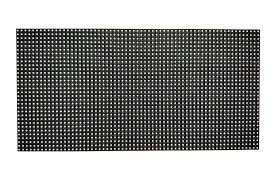
- Pixel Pitch: Commonly between 0.5 mm to 1.5 mm for indoor applications, smaller pitches enable higher resolution and closer viewing distances.
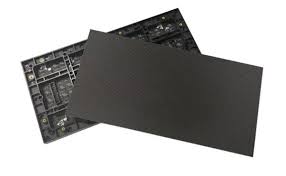
- Brightness: Ranges from 300 to 1500 nits for indoor displays and up to 7000 nits for outdoor screens, crucial for visibility under various ambient lighting conditions.
- Contrast Ratio: Typically around 1000:1 for standard LCDs, but advances in black matrix technology and local dimming improve this metric significantly.
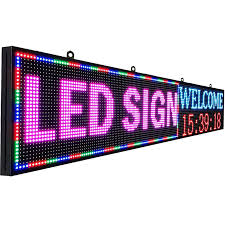
- Color Gamut: Modern LED LCDs can cover up to 90-110% of the Rec. 709 color space, driven by quantum-dot and other phosphor-enhanced LED backlighting.
Practical Applications
LED LCD technology spans a broad spectrum of uses:
- Consumer Electronics: Smartphones, tablets, laptops, and televisions benefit from the slim form factor and improved image quality.
- Commercial Displays: Retail advertising, digital signage in airports and malls, ticketing kiosks, and interactive kiosks leverage high brightness and durability.
- Broadcasting Studios and Control Rooms: High precision and color fidelity are critical, met by advanced LED LCD solutions.
- Automotive Displays: Instrument clusters and infotainment systems use tailored LED LCDs optimized for varied lighting conditions and vibrations.
Advantages Over Alternative Technologies
LED LCD displays provide a balanced trade-off between cost and performance compared to OLED or micro-LED alternatives. They offer:
- Energy Efficiency: LED backlighting consumes significantly less power than cold cathode fluorescent lamp (CCFL) backlights, sometimes achieving up to 30-40% reduction in power consumption.
- Longer Lifespan: LEDs typically last 50,000 to 100,000 hours depending on quality, surpassing CCFL equivalents.
- Improved Brightness and Color Accuracy: LED backlights allow for greater customization and wider color gamuts.
- Environmental Benefits: LEDs contain fewer hazardous materials and are recyclable, aligning with RoHS and WEEE directives, reflecting responsible manufacturing practices.
Common Challenges and Solutions
Despite their advantages, LED LCD screens are not devoid of challenges:
- Backlight Bleeding and Uniformity Issues: Inconsistent LED illumination can cause bright spots or uneven brightness. This is often addressed through refined LED placement techniques, diffusers, and edge-lit vs. direct-lit configurations.
- Motion Blur and Response Time: LCD panels inherently exhibit slower response times compared to OLEDs, which can impact fast-moving imagery in gaming or sports broadcasting. Techniques such as overdrive circuit integration and higher refresh rates (120Hz and above) mitigate these effects.
- Thermal Management: Continuous operation leads to heat accumulation that can degrade components. Advanced heat dissipation designs and materials improve longevity and stability.
- Color Calibration: Achieving consistent color across large LED LCD video walls requires rigorous factory calibration and on-site adjustments, with some manufacturers using embedded sensors for real-time color correction.
Latest Trends and Innovations
The LED LCD manufacturing industry is rapidly adopting innovations designed to push performance thresholds:
- Quantum Dot Enhancement: Utilizing quantum dots in LED backlighting boosts color saturation and brightness while maintaining power efficiency, a technique embraced by brands like Samsung’s QLED displays.
- Mini and Micro-LED Backlighting: This approach increases LED density leading to improved local dimming zones, resulting in superior contrast ratios exceeding 10,000:1, narrowing the gap with OLED displays.
- AI-Based Display Calibration: Emerging software integrates artificial intelligence to dynamically adjust brightness, contrast, and color based on ambient light and content type, enhancing user experience.
- Flexible and Transparent Displays: Research into flexible LED LCD screens expands applications in curved displays, wearable devices, and heads-up displays (HUDs) in automotive and military sectors.
Conclusion
LED LCD technology remains a highly versatile and economically viable solution in the display industry. With ongoing advances in backlighting, materials science, and manufacturing processes, these displays continue to improve in image quality, energy efficiency, and durability. Addressing common technical hurdles through innovation ensures their relevance amidst competing technologies. Understanding these intricacies benefits professionals involved in design, manufacturing, and deployment of LED LCD screens worldwide, thereby driving better, more reliable display solutions tailored to varied applications.
For further learning, consult industry standards such as IEC 62368-1 for safety and IEC 62087 for energy efficiency testing, along with technical whitepapers from the Society for Information Display (SID) and the International Display Workshops (IDW).













