

Advances and Practical Insights in LED LCD Display Technology for Modern Applications
The LED LCD display industry has witnessed remarkable advancements over the past decade, driven by innovations in both LED backlighting technology and liquid crystal display (LCD) mechanisms. As a professional LED display engineer with extensive industry experience, this article delves into the technical intricacies, practical applications, advantages, common challenges, and emerging trends shaping modern LED LCD screens in diverse sectors.
At its core, an LED LCD display combines the benefits of Liquid Crystal Display technology with LED (Light Emitting Diode) backlighting. The panel uses liquid crystals to modulate light transmission, while the LED backlight provides the illumination source, replacing traditional cold cathode fluorescent lamps (CCFLs). This shift yields multiple advantages such as improved energy efficiency, superior brightness control, and enhanced color fidelity.
Technical Parameters and Performance Metrics
Modern LED LCD screens achieve high performance through several optimized parameters:
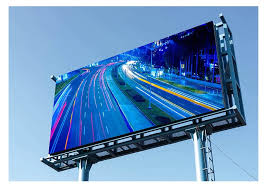
- Brightness: Typically ranges from 300 to 1500 nits depending on the application. For instance, outdoor digital signage requires a minimum brightness of 1000 nits to maintain visibility against sunlight (TIA-122-B Standard).
- Contrast Ratio: Often measured at 1000:1 to 6000:1, enabling deep blacks and vibrant images, critical in professional broadcast and medical imaging displays.
- Color Gamut: Most commercial LED LCDs cover 72% to 125% of the NTSC color space, with higher-end panels supporting up to DCI-P3 for cinema-grade color accuracy.
- Response Time: Ranges from 1ms in gaming displays to about 8ms in general commercial units, reducing motion blur and ghosting.
- Viewing Angle: IPS technology combined with LED backlight ensures wide viewing angles of up to 178 degrees horizontally and vertically.
Practical Applications
LED LCD displays are versatile and integral across multiple industries:
- Consumer Electronics: Smartphones, tablets, laptops, and televisions utilize LED LCDs for their slim profiles, enhanced battery efficiency, and improved brightness.
- Digital Signage: Retail, transportation hubs, and outdoor advertising leverage LED LCDs for eye-catching visuals with excellent sunlight readability.
- Medical Imaging: High-brightness and color-accurate LED LCDs ensure precise diagnostics in X-ray and MRI displays, conforming to standards like DICOM Part 14 grayscale display function.
- Industrial Control Panels: Durable LED LCDs integrated into touch panels provide robust performance under harsh environmental conditions.
- Automotive Displays: Dashboard and infotainment systems demand LED LCDs capable of operating within wide temperature ranges while maintaining high visibility.
Advantages of LED LCD Technology
Compared to older technologies or alternative display types, LED LCDs offer a range of benefits:
- Energy Efficiency: LEDs consume less power than CCFL backlights; for example, a standard 15-inch LED LCD consumes approximately 15-20% less energy.
- Slimmer Design: LED backlighting enables thinner screens, essential in mobile devices and modern TVs.
- Longer Lifespan: LED backlights have lifespans exceeding 50,000 hours, reducing maintenance and replacement frequency.
- Environmental Impact: Absence of mercury, common in CCFL backlights, aligns with RoHS compliance and environmental safety practices.
- Improved Color and Brightness Uniformity: LED arrays deliver more uniform lighting, reducing clouding and hot spots.
Common Challenges and Troubleshooting
Despite their advantages, LED LCDs exhibit certain issues that engineers must address:
- Backlight Bleeding: Uneven distribution of LED backlight near panel edges can cause light leakage, compromising image quality.
- Burn-in and Image Retention: Although less severe than OLED, static content on some LED LCD panels can cause temporary image retention.
- Color Shifts at Wide Angles: While IPS panels mitigate this, some VA panels may still demonstrate color accuracy loss at extreme views.
- Thermal Management: High-brightness LED arrays generate heat that must be dissipated effectively to ensure display longevity.
- Flicker: Pulse-width modulation (PWM) used for dimming may cause flicker noticeable at low brightness, impacting user comfort.
Emerging Trends and Innovations
The LED LCD field continues evolving with advanced technologies:
- Mini-LED and Micro-LED Backlights: These use thousands of smaller LEDs to achieve local dimming with high contrast and HDR capabilities rivaling OLED while maintaining longevity.
- Quantum Dot Enhancement Films (QDEF): Implemented in many premium displays to expand color gamut beyond traditional LEDs, delivering more vibrant and accurate color reproduction.
- Dynamic Backlight Control: Adaptive algorithms optimize brightness and contrast dynamically, improving energy efficiency and image quality based on content.
- Flexible and Transparent LCD Solutions: These cater to emerging applications like augmented reality (AR), heads-up displays (HUD), and innovative retail showcases.
- Integration with AI and IoT: Smart displays utilize AI for content optimization and IoT connectivity for seamless integration into smart environments.
In conclusion, LED LCD technology represents a mature yet continuously advancing display solution. Its balance of performance, durability, cost-effectiveness, and environmental considerations make it indispensable in both consumer and industrial applications. Staying abreast of emerging backlighting methods, material innovations, and intelligent display management solutions will be critical for engineers and manufacturers aiming to meet the evolving demands of global markets.
References:
1. International Telecommunication Union, TIA-122-B Standard for Outdoor Digital Signage Brightness
2. Society for Information Display (SID), Display Industry Yearbook 2023
3. Digital Imaging and Communications in Medicine (DICOM) Part 14 - Grayscale Standard Display Function
4. Rohm Semiconductor Technical Whitepaper on Mini-LED Technology, 2024
5. Environmental Protection Agency (EPA) RoHS Compliance Guidelines, 2023













