

Advances and Best Practices in LED LCD Screen Manufacturing for Optimal Display Performance
The LED LCD screen industry has witnessed significant technological progress over the past decade, driven by the need for brighter, more energy-efficient, and versatile display solutions across various applications—from consumer electronics to large-scale digital signage. As a professional LED display engineer with years of experience in LED LCD manufacturing, this article explores the critical technological parameters, industry standards, manufacturing best practices, and emerging trends that ensure high-quality LED LCD display production.
Understanding LED LCD Screen Architecture and Key Components
An LED LCD screen combines Liquid Crystal Display (LCD) technology with Light Emitting Diode (LED) backlighting. The LCD panel manipulates light to produce images, while the LED backlight serves as the illumination source. Key components include the liquid crystal layers, thin-film transistors (TFTs), LED backlight units, polarizers, color filters, and driver circuits.
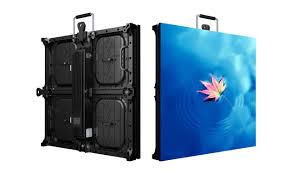
One crucial factor impacting display quality is the backlight uniformity and brightness. Typically, LED backlights deliver luminance levels ranging from 300 to 1500 nits in consumer devices and can exceed 5000 nits for outdoor professional displays (International Electrotechnical Commission, IEC 62341). Maintaining uniform brightness across the screen is achieved by precise LED placement, employing techniques such as edge lighting or direct (full-array) backlighting with local dimming capabilities.
Key Technical Parameters and Their Industry Standards
- Color Gamut: Modern LED LCD screens strive for wide color gamuts exceeding 90% DCI-P3 or 100% sRGB to pursue vivid and accurate colors. For professional-grade monitors, calibration to standards like Rec. 709 and Rec. 2020 ensures color fidelity (ITU-R BT.709 and BT.2020).
- Contrast Ratio: Typical LED LCD screens achieve contrast ratios from 1000:1 to 5000:1. Full-array local dimming significantly enhances perceived contrast by controlling LED zones independently, approaching the performance of OLEDs.
- Refresh Rate and Response Time: Rates of 60Hz are standard, but higher refresh rates (120Hz to 240Hz) are increasingly common in gaming monitors and professional displays. Response times of under 5 milliseconds reduce motion blur.
- Viewing Angle: IPS (In-Plane Switching) panels dominate higher-end products due to wider viewing angles typically above 178° horizontally and vertically, ensuring consistent image quality regardless of the viewing position.
- Power Efficiency: LED backlighting is considerably more energy-efficient than traditional CCFLs. Advances in LED chip design and driver ICs reduce power consumption by up to 30%, essential for portable devices and large digital screens.
Manufacturing Best Practices: Ensuring Reliability and Performance
To guarantee both longevity and superior performance:
- LED Selection and Binning: Consistent chromaticity and luminous flux are attained through strict binning processes, grouping LEDs by color temperature and brightness tolerance.
- Thermal Management: Effective heat dissipation via heat sinks and thermal interface materials prevents LED degradation, crucial for sustained luminance and color stability.
- Precision Assembly: Automated pick-and-place machines reduce human error during LED placement, and cleanroom environments minimize contamination that could affect display uniformity.
- Quality Control: Multi-point testing includes luminance uniformity, color accuracy, response time, and contrast ratio measurements, compliant with IEC standards and ISO 9241-307 for ergonomics of visual displays.
Emerging Trends Impacting LED LCD Manufacturing
Recent advancements include Mini-LED and MicroLED backlight technologies, which use thousands of ultra-small LEDs as local dimming zones, bringing unprecedented contrast ratios and HDR capabilities. Mini-LED implementations retain compatibility with existing LCD production lines, allowing manufacturers to upgrade product lines cost-effectively.
Moreover, integration with AI-driven calibration tools allows real-time optimization of display parameters to compensate for aging LEDs and environmental conditions, extending product life cycles and enhancing user experience.
Global Market and Environmental Considerations
Sustainability has become paramount. The use of lead-free soldering and RoHS-compliant materials, as well as improved recyclability of LED panels, aligns manufacturing with global environmental directives such as the EU's WEEE and REACH regulations.
Conclusion
Expertise in LED LCD manufacturing requires a deep understanding of optical engineering, electronics, material science, and precision manufacturing techniques. Adhering to international standards such as IEC 62341 and ISO 9241 ensures that LED LCD displays deliver optimal performance, reliability, and sustainability. As technology advances with Mini-LED and AI-integrated calibration, the industry will continue to provide displays with superior brightness, color accuracy, energy efficiency, and lifespan.
For manufacturers and engineers, continuous investment in research, strict quality controls, and adherence to proven manufacturing protocols remain the cornerstone of delivering LED LCD screens that meet the rigorous demands of global markets.













