

Advancements and Best Practices in LED Display Manufacturing: Ensuring Quality and Performance
The LED display industry has witnessed significant technological advancements over the past decade, driven by increasing demand for high-resolution, energy-efficient, and durable display solutions across various sectors. As an experienced LED display engineer, this article delves into the critical aspects of LED LCD screen manufacturing, highlighting innovative practices, key technical parameters, and quality standards that ensure optimal performance and longevity of LED displays.
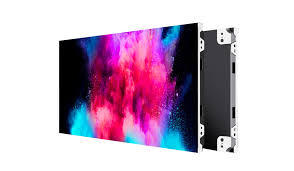
One of the core components in LED display manufacturing is the selection and integration of high-quality LEDs. The choice between SMD (Surface-Mounted Device) and DIP (Dual In-line Package) LEDs significantly influences display resolution, freshness, brightness uniformity, and power efficiency. Modern LED panels often utilize SMD technology due to its capability for finer pixel pitch, enabling resolutions as tight as 0.5mm for indoor applications, facilitating applications in control rooms, broadcast studios, and medical imaging.
Technical Parameters and Their Impact
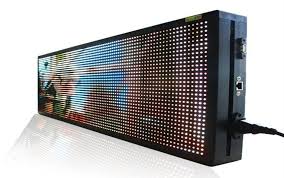
- Pixel Pitch: Defined as the distance between the centers of two adjacent pixels, pixel pitch determines the viewing distance and resolution clarity. Indoor LED displays typically range from 0.5mm to 6mm, whereas outdoor versions often have pixel pitches between 6mm and 20mm to accommodate longer viewing distances and enhanced brightness requirements.
- Brightness: Measured in nits (cd/m²), optimal brightness is vital for visibility under different environmental conditions. Indoor displays generally maintain brightness levels between 800 and 1500 nits to prevent eye strain, while outdoor displays require brightness levels exceeding 5000 nits to counteract sunlight interference effectively conforming to IEC 62717 standards for LED modules.
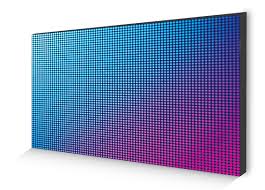
- Refresh Rate: To avoid flickering and ensure smooth video playback, a minimum refresh rate of 1920Hz is recommended, especially in broadcast environments. Higher refresh rates improve visual comfort and reduce motion blur.
- Color Accuracy and Uniformity: Adhering to standards such as Rec. 709 and DCI-P3 color gamuts is essential for displays used in professional settings. Manufacturers employ advanced calibration techniques including real-time color correction and temperature compensation to maintain uniformity across large display arrays.
Manufacturing Processes and Quality Control
High precision manufacturing involves tightly controlled processes such as:
- Automated SMT (Surface Mount Technology) placement: Ensures consistent LED placement with micrometer-level precision, reducing defects and improving pixel uniformity.
- Reflow soldering with controlled atmosphere: Guarantees reliable electrical connections while preventing solder oxidation, which is critical for long-term reliability.
- Rigorous Testing Protocols: Each display panel undergoes matrix testing to detect pixel failures, brightness uniformity assessments, and environmental stress tests including temperature and humidity cycling per IEC 60068 standards.
Implementing a robust quality management system aligned with ISO 9001 practices is foundational to maintaining product consistency. Sample case studies from leading global manufacturers show that integrating automated optical inspection (AOI) systems enhances defect detection rates by over 30%, significantly reducing onsite failures and improving customer satisfaction.
Energy Efficiency and Sustainability Considerations
The LED industry’s shift towards sustainability encompasses the use of low-power components and intelligent power management systems. For instance, leveraging PWM (Pulse-Width Modulation) dimming techniques reduces energy consumption without compromising visual quality. Furthermore, responsible sourcing of raw materials and recycling initiatives are increasingly becoming industry norms, aligning with global environmental standards such as RoHS and WEEE.
Future Trends in LED Display Technology
Emerging developments include microLED and miniLED technologies that promise higher brightness, better contrast ratios, and enhanced lifespan compared with traditional LED panels. Manufacturers are also integrating AI-driven calibration tools and IoT-enabled maintenance systems to predict and address faults proactively.
In conclusion, producing high-quality LED displays demands a holistic approach encompassing meticulous component selection, advanced manufacturing technologies, and adherence to stringent quality standards. This integrated methodology not only yields superior product performance but also supports scalable production capable of meeting the diverse needs of sectors ranging from entertainment and advertising to healthcare and transportation.
Leading industry references:
- International Electrotechnical Commission (IEC) standards 62717 and 60068
- Rec. 709 and DCI-P3 color space specifications by ITU-R and SMPTE
- ISO 9001 Quality Management Systems
- Technical white papers from LED manufacturer Nichia Corporation and Samsung Electronics
By embracing these best practices and continuing innovation, the LED display manufacturing sector can sustain its trajectory towards greater efficiency, precision, and environmental responsibility.













