

AI-Powered Digital Displays Transforming the Future of Visual Communication
In the rapidly evolving landscape of visual communication, AI-powered digital displays stand out as a revolutionary technology reshaping how content is presented and consumed. Enhanced by advances in artificial intelligence, these displays offer unprecedented levels of interactivity, personalization, and efficiency, making them vital in sectors ranging from retail and advertising to transportation and healthcare.
At the core of AI-powered digital displays lies a combination of high-resolution LED and LCD technologies integrated with sophisticated AI algorithms. These algorithms analyze real-time data such as audience demographics, environmental conditions, and engagement metrics to dynamically optimize the displayed content. For instance, a retail store can tailor promotional messages based on the age group or gender of passersby, increasing customer engagement and conversion rates significantly.
Technical Specifications and Innovations
Modern AI-powered displays typically utilize 4K UHD resolution (3840x2160 pixels) to ensure crystal-clear imagery and text clarity, essential for detailed product visuals or complex informational content. The viewing angle, often exceeding 178 degrees, guarantees consistent image quality from multiple perspectives—a critical feature for public spaces with diverse traffic flows.
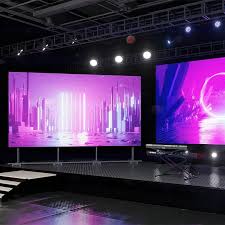
Further technical enhancements include:
- High Refresh Rates (≥120Hz): Ensuring smooth motion rendering crucial for video advertisements and interactive content.
- HDR (High Dynamic Range) Support: Provides deeper color contrast and brightness levels upwards of 1000 cd/m², enabling visibility under various lighting conditions.
- Integrated Sensors and Cameras: Collect audience data anonymously, feeding AI models to adapt content dynamically.
- Edge Computing Capabilities: Allow the display to process data locally, minimizing latency and bandwidth dependence, essential for real-time responsiveness.
Applications and Case Studies
1. Retail and Advertising: AI-powered digital signage is revolutionizing in-store marketing. Brands like Nike and Samsung have implemented adaptive displays that modify advertisements based on factors such as time of day or shopper pathway analysis. For example, a case study from Samsung (2023) demonstrated a 30% increase in customer engagement through AI-optimized content scheduling and personalized messaging.
2. Transportation Hubs: Airports and train stations employ AI-driven displays for wayfinding, real-time delay information, and targeted ads. The integration with AI enhances passenger experience by reducing confusion and providing timely, relevant updates that are context-sensitive.
3. Healthcare: Hospitals utilize AI-powered displays for patient information, wayfinding, and health education. The ability to adjust content based on patient demographics and peak visitation hours helps improve communication effectiveness and reduces cognitive overload on visitors.
Industry Standards and Best Practices
The deployment of AI-powered digital displays adheres to several key industry standards to ensure safety, visual quality, and regulatory compliance:
- IEC 62471: Addresses photobiological safety of lamps and lamp systems, important for preventing eye strain and retinal damage from prolonged exposure.
- DICOM (Digital Imaging and Communications in Medicine) standards, when displays are used in medical imaging, guarantee accurate grayscale and color rendition.
- ISO/IEC 30170 guidelines on AI system transparency and bias mitigation ensure that AI algorithms integrated into displays operate ethically and inclusively.
Moreover, ongoing firmware updates and cybersecurity protocols are crucial, as digital displays connected to networks are vulnerable to data breaches. Continuous monitoring and adherence to NIST Cybersecurity Framework enhance system resilience.
Future Outlook
As AI technologies advance, the next generation of digital displays will incorporate deeper learning models capable of predictive analytics—anticipating user needs before interaction. Emerging 5G connectivity will allow these displays to access cloud computing resources seamlessly, enabling higher complexity AI workloads and augmented reality (AR) integration.
Additionally, developments in microLED technology promise displays with better energy efficiency, superior brightness, and longer lifespans compared to typical LCD and conventional LED panels. When combined with AI, microLEDs will usher in a new era of ultra-responsive, adaptive digital signage solutions with near-perfect color accuracy and contrast.
In conclusion, AI-powered digital displays are not merely visual tools but intelligent communication platforms that bridge technology with human behavior. Their ability to adapt content in real-time, backed by robust hardware and ethical AI practices, ensures they remain at the forefront of digital transformation in visual media.













