

Advanced Insights into LED LCD Screen Manufacturing: Applications, Advantages, Challenges, and Emerging Trends
The LED LCD (Light Emitting Diode Liquid Crystal Display) technology represents a significant evolution in display manufacturing, integrating the benefits of LED backlighting with traditional LCD panels. As of 2024, this hybrid technology dominates both consumer electronics and industrial applications due to its superior visual performance, energy efficiency, and diverse form factors.
Technical Overview and Manufacturing Parameters
LED LCD screens utilize LED backlights to illuminate liquid crystal layers. The manufacturing process hinges on precise control of several technical parameters:
- Backlight Unit (BLU): Utilizes either edge-lit or direct-lit LED arrays. Direct-lit LEDs provide uniform brightness and enhanced contrast but at higher production cost.
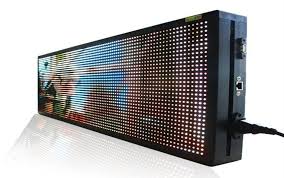
- Panel Resolution: Ranges typically from Full HD (1920x1080) to 8K (7680x4320), with pixel pitch sizes diminishing below 0.4mm for ultra-high definition.
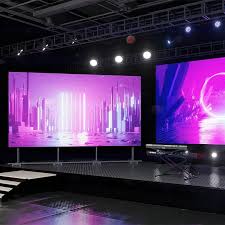
- Refresh Rate: Commonly standard 60Hz, but modern gaming and professional displays push toward 144Hz and even 240Hz, requiring enhanced backlight modulation and driver IC optimizations.
- Color Gamut: LED backlights enable wider color gamuts like DCI-P3 and AdobeRGB, supported by advanced quantum dot enhancements in newer models.
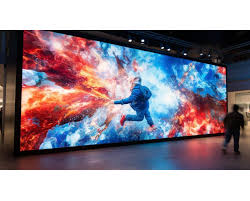
- HDR Support: High Dynamic Range compatibility relies on efficient local dimming zones controlled by LED arrays to improve contrast ratios, reaching 5000:1 or more.
Practical Applications
The versatility of LED LCD screens has expanded their presence across various sectors:
- Consumer Electronics: From smartphones, tablets, laptops to TVs and monitors, LED LCDs offer enhanced brightness, lower energy consumption, and thinner builds compared to CCFL-backlit LCDs.
- Industrial Use: Medical imaging devices, control panels, and aviation displays benefit from reliability and the superior luminance offered by LED backlighting.
- Public Displays: Outdoor digital billboards and information kiosks utilize high-brightness LED LCDs with weatherproofing features and anti-glare coatings.
- Automotive Displays: Digital dashboards and HUDs (Heads-Up Displays) rely on fast response times and efficient LED LCD technology for improved readability in variable lighting conditions.
Advantages of LED LCD Technology
The adoption of LED backlighting in LCDs brings multiple advantages:
- Energy Efficiency: LED backlights consume up to 30%-50% less power compared to traditional cold cathode fluorescent lamps (CCFL), aligning with stringent energy standards such as Energy Star 8.0 and EPEAT.
- Slim Profiles: LEDs' small size allows for ultra-thin screen designs enhancing portability and aesthetics.
- Improved Color and Contrast: The capability for localized dimming zones enhances contrast ratios and enables richer color reproduction.
- Longer Lifespan: LEDs sustain longer operational hours (typically over 50,000 hours), reducing maintenance costs.
- Reduced Heat Generation: Compared to CCFLs, LEDs emit less heat, improving display reliability and user comfort.
Common Challenges and Troubleshooting
Despite advantages, manufacturers and users encounter several issues:
- Backlight Bleeding: Uneven light leakage around screen edges can degrade visual quality, often due to manufacturing inconsistencies or damage.
- Color Uniformity Problems: Variations in LED intensity or degradation over time may cause blotchy images.
- Dead or Stuck Pixels: Reflect defects in the LCD panel itself often caused by manufacturing faults or physical impact.
- Burn-in Risks: Although less than OLEDs, static UI elements can cause slight retention in LED LCDs under prolonged use.
- Heat Management: Higher brightness LED arrays may raise temperatures warranting advanced thermal dissipation designs to avoid performance degradation.
Emerging Trends in LED LCD Displays
The LED LCD sector continues to innovate, driven by both consumer demands and industrial standards.
- Mini-LED and Micro-LED Hybrid Integration: Mini-LED backlighting with thousands of diminutive LEDs enables finer local dimming control, pushing contrast and HDR performance closer to OLED quality while maintaining higher brightness levels.
- Quantum Dot Enhancement Films (QDEF): These films convert LED backlight spectra to expand color gamut and increase brightness with minimal energy cost.
- Flexible and Foldable Displays: Enhanced LED backlighting technologies allow for bendable LCD panels, opening new design possibilities for smartphones and wearables.
- AI-Driven Backlight Control: Real-time algorithms optimize LED array brightness and color output dynamically to improve energy savings and perceived image quality.
- Sustainability Focus: Use of recyclable materials and reduction of hazardous substances in LED assemblies aligns the industry with global environmental directives such as RoHS and WEEE.
Conclusion
LED LCD screen manufacturing today stands at the convergence of optics, electronics, and materials science, delivering displays with exceptional performance and adaptability. Engineers must navigate a complex landscape of design parameters, manufacturing processes, and quality control to meet the evolving demands of diverse applications. Continuous innovation in LED backlight technology and panel integration promises even more efficient, brighter, and colorful displays, while addressing the key challenges of uniformity, longevity, and environmental impact. Industry standards such as IEC 62471 for photobiological safety and ISO 9241-307 for optical test methods remain critical in guiding production excellence and user safety in this ever-developing field.
References:
- International Electrotechnical Commission (IEC) 62471: Photobiological safety of lamps and lamp systems.
- Energy Star 8.0 Specification: Displays and Imaging Equipment.
- Society for Information Display (SID) Technical Reports.
- Quantum Dot Consortium studies on color enhancement technologies, 2023.
- Case studies from Samsung Display and LG Display manufacturing insights, 2022-2024.













