

Advanced Technologies and Best Practices in LED LCD Screen Manufacturing
The LED LCD industry has witnessed remarkable advancements driven by innovative manufacturing techniques, enhanced materials, and rigorous quality control processes. As a professional LED display engineer, understanding the critical technical parameters and industry standards is essential to producing high-performance LED LCD screens that meet global market demands.
Material Selection and Panel Structure
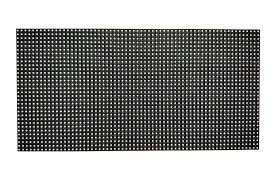
Modern LED LCD screens typically employ high-quality In-Plane Switching (IPS) or Vertical Alignment (VA) panels. IPS offers superior color accuracy and viewing angles, whereas VA panels provide higher contrast ratios. The backlight unit (BLU) is composed of an array of LED chips arranged to ensure uniform luminance and color consistency. High-efficiency quantum dot films or mini-LED technology have further improved brightness levels up to 1500 nits or beyond, catering to HDR content requirements.
The liquid crystal layer is precisely controlled, with typical cell gaps ranging from 3 to 6 micrometers, to regulate light modulation effectively. Polarizing films and alignment layers ensure minimal light leakage and optimal contrast ratios, typically between 1000:1 (IPS) and 6000:1 (VA), depending on the application.
Advanced Manufacturing Techniques
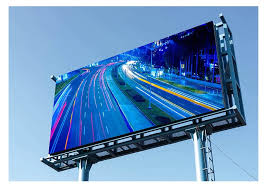
Manufacturing LED LCD screens involves sophisticated processes like photolithography to pattern thin-film transistors (TFT) on glass substrates. TFT arrays control individual pixels, enabling high resolutions such as 4K UHD (3840 x 2160) and even 8K. Companies adhere to ISO 9001 and ISO 14001 standards to maintain consistent process quality and environmental compliance.
The integration of automation and robotics in assembly lines reduces human errors and increases throughput. For example, automated optical inspection (AOI) systems scan substrates for defects during production stages, identifying critical issues early to minimize waste. The latest defect detection algorithms employ machine learning to improve accuracy, elevating yield rates beyond 90%, even for ultra-high resolution panels.
Quality Control and Reliability Testing
Rigorous quality control involves electrical and optical testing. Key parameters such as luminance uniformity (within ±3%), color gamut coverage (typically >95% DCI-P3), and response time (often under 5 ms) are measured using spectroradiometers and high-speed cameras. Environmental stress tests include thermal cycling from -20°C to 70°C and humidity exposure to ensure durability in various climates.
Fail-safe measures, such as over-voltage protection and electrostatic discharge (ESD) shielding, are integrated to enhance product lifespan, often exceeding 30,000 hours of operation. Compliance with global standards including RoHS, REACH, and CE ensures that LED LCD products meet international regulatory requirements, vital for export and wide market acceptance.
Innovative Trends and Future Outlook
Mini-LED and Micro-LED backlights have revolutionized LED LCD displays by providing local dimming with thousands of dimming zones, drastically improving contrast ratios and preventing halo effects. This technology bridges the performance gap between LCD and OLED systems while delivering longer lifespan and lower burn-in risk.
Furthermore, advancements in driver ICs and panel integration have reduced power consumption by up to 20%, supporting eco-friendly designs in line with Energy Star and EPEAT certifications. The emergence of flexible and foldable LED LCDs expands potential applications in mobile devices and automotive displays, demanding novel substrate materials and bending-resistant TFTs.
Conclusion
Manufacturing cutting-edge LED LCD screens requires a well-orchestrated combination of material science, precision engineering, and comprehensive quality assurance. Mastery of these aspects ensures the production of displays that deliver exceptional visual performance, durability, and compliance with international standards. Staying abreast of evolving technologies, such as mini-LED backlighting and smarter automation, is essential for industry leadership and meeting the dynamic demands of global consumers.
Authoritative references include the Society for Information Display (SID) technical journals and the International Electrotechnical Commission (IEC) standards 62679 and 62680, which set critical benchmarks for liquid crystal display technologies and electromagnetic compatibility.













