

Advanced LED LCD Display Technologies: Applications, Advantages, and Emerging Trends
The LED LCD display industry has witnessed significant evolution over the past decade, driven by technological advancements, increasing demand for high-resolution imaging, and the necessity for energy-efficient solutions. As a professional LED display engineer, I aim to provide a comprehensive overview of LED LCD technologies, highlighting practical applications, key advantages, common challenges, and the latest trends shaping the industry.
Understanding LED LCD Display Technology
LED LCD (Light Emitting Diode Liquid Crystal Display) technology combines liquid crystal panels with LED backlighting to produce vivid images with high contrast and brightness. Unlike traditional CCFL (Cold Cathode Fluorescent Lamp) backlit LCDs, LED LCDs utilize arrays of LEDs either at the edges or directly behind the screen (direct-lit), providing more efficient lighting and superior image quality.
Technical specs to note include:
- Resolution: Modern LED LCDs commonly achieve Full HD (1920×1080) to 8K (7680×4320) resolutions, with pixel densities exceeding 400 PPI (pixels per inch) in certain professional monitors.
- Brightness: Typical brightness levels range from 250 nits for consumer models to over 1500 nits in HDR-compatible professional displays, enhancing visibility in brightly lit environments.
- Contrast Ratio: LED LCDs offer contrast ratios from 1000:1 up to 5000:1 or more with local dimming techniques, improving image depth and detail.
- Color Gamut: Advanced models support wide color gamuts such as AdobeRGB and DCI-P3, crucial for color-critical applications.
Practical Applications
LED LCD displays are integral to a broad spectrum of sectors:
- Consumer Electronics: Televisions, smartphones, laptops, and gaming monitors benefit from LED backlighting’s enhanced energy efficiency and improved display uniformity.
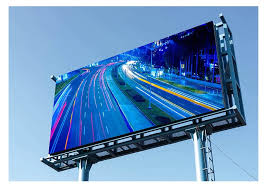
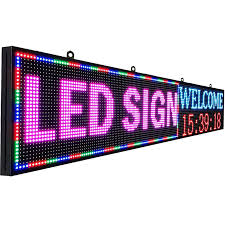
- Commercial Signage: Digital signage in retail, airports, and public transport leverages large-format LED LCDs for dynamic content with high brightness suited for varying ambient light conditions.
- Medical Imaging: In diagnostic radiology and surgical displays, LED LCD screens deliver high luminance and precise color reproduction essential for accurate interpretation of medical images.
- Industrial Monitoring: Harsh industrial environments utilize ruggedized LED LCD panels with high brightness and contrast to ensure reliable data visualization.
- Broadcast and Production: Professional video editing and production rely on LED LCD displays with wide color gamut and high resolution for color grading and live monitoring.
Advantages of LED LCDs
1. Energy Efficiency: LED backlighting consumes significantly less power compared to CCFLs, reducing operational costs and environmental impact.
2. Enhanced Picture Quality: The ability to implement local dimming zones reduces halo effects and improves black levels, delivering superior contrast ratio.
3. Slimmer, Lightweight Designs: LEDs allow thinner panel construction, supporting modern aesthetic and ergonomic designs.
4. Longer Lifespan and Durability: LEDs typically have lifespans exceeding 50,000 hours, surpassing other backlighting methods and ensuring prolonged usability.
5. Better Environmental Compliance: LEDs are free of mercury and other harmful substances, facilitating compliance with global environmental regulations such as RoHS and WEEE directives.
Common Challenges
Despite its benefits, LED LCD displays face several common issues:
- Backlight Uniformity: Edge-lit LED LCDs may show uneven brightness or clouding, especially at lower brightness settings. Direct backlighting with full-array local dimming is preferred to mitigate this.
- Motion Blur and Response Time: LCD response times can cause motion blur in fast-moving scenes, though innovations such as overdrive circuits and higher refresh rates (up to 240Hz) have alleviated this.
- Color Shifting and Viewing Angles: LCD panels can suffer from color inaccuracies when viewed off-axis. Technologies like IPS (In-Plane Switching) improve viewing angles but may impact contrast ratio.
- Cost of Advanced Features: Features like quantum dot enhancement or mini-LED backlighting significantly increase manufacturing costs.
Emerging Trends
The LED LCD sector is advancing rapidly with novel technologies enhancing performance:
- Mini-LED and Micro-LED Hybrid Displays: Mini-LEDs, with thousands of tiny LEDs in the backlight, enable ultra-fine local dimming control, resulting in contrast ratios rivaling OLED displays while maintaining longer lifespan and scalability.
- Quantum Dot Enhancement Films (QDEF): Incorporating quantum dots improves color purity and brightness, with devices now achieving over 90% DCI-P3 color space coverage.
- High Dynamic Range (HDR) Standards: Compliance with HDR10, Dolby Vision, and HDR10+ standards allows displays to render more vivid and realistic images, supported by higher peak brightness and deeper blacks.
- AI and Image Processing Algorithms: AI-based upscaling and real-time image enhancement techniques are increasingly integrated to optimize image quality dynamically.
- Flexible and Transparent LED LCDs: Experimental flexible displays open potential in automotive HUDs, wearable devices, and novel form factors.
Industry Standards and Quality Assurance
Ensuring LED LCD display quality involves adherence to industry standards like the ISO 9241-307 for pixel defects, VESA DisplayHDR certifications, and UL GREENGUARD for emissions. Manufacturers also conduct tests for color accuracy using CIE 1931 chromaticity coordinates and adhere to durability protocols such as MIL-STD-810 for rugged displays.
Conclusion
The LED LCD display technology remains a cornerstone of modern visual communication, balancing cost, performance, and energy efficiency. Advances like mini-LED backlighting and quantum dot technology promise further breakthroughs in color fidelity and HDR performance. Understanding practical applications, technological benefits, and addressing known challenges will guide manufacturers and end-users to select or design optimal LED LCD solutions appropriate for their needs.
By maintaining strict compliance with industry standards and leveraging emerging innovations, the LED LCD industry continues to thrive, ensuring displays that meet increasing demands for superior image quality, durability, and sustainability across varied applications worldwide.













