

High Brightness TFT Display: Technology, Applications, and Industry Standards
In today’s rapidly evolving display technology landscape, high brightness TFT (Thin-Film Transistor) displays have emerged as a critical component across various high-performance applications. Ranging from outdoor digital signage to automotive dashboards and industrial equipment, these displays are engineered to deliver superior visibility and durability under challenging environmental conditions.
#Understanding High Brightness TFT Display Technology
High brightness TFT displays are a class of LCDs optimized to produce luminance levels typically exceeding 1000 nits, with some cutting-edge panels reaching beyond 3000 nits. This level of brightness ensures that content remains clear and vibrant even under direct sunlight or intense ambient light, a significant challenge for conventional screens that generally operate between 200 and 500 nits.
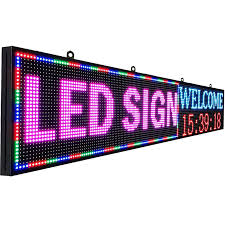
The core of TFT technology lies in its thin-film transistor matrix controlling each individual pixel with precision, enabling high resolution and fast response times. To achieve high brightness, manufacturers integrate several technological advancements:
- Advanced LED Backlighting Systems: High brightness TFT displays utilize powerful LED backlights or even mini-LED arrays that produce intense and uniform illumination.
- Optical Film Layers: Employing circular polarizers, brightness enhancement films (BEF), and anti-reflective coatings reduce light loss and ambient reflection, thereby maximizing effective luminance.
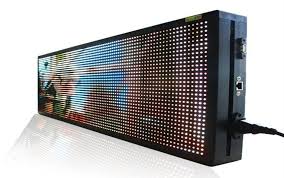
- Robust Liquid Crystal Materials: Specialized liquid crystal compounds designed for higher transmission rates support brighter output without compromising color accuracy.
- Thermal Management: High brightness leads to increased heat generation; therefore, these displays incorporate efficient thermal dissipation methods—such as aluminum backplanes and heat sinks—to maintain performance and longevity.
#Key Technical Specifications
When evaluating or designing high brightness TFT displays, several pivotal parameters define their performance:
- Brightness (Luminance): Measured in nits (cd/m²), effective high brightness TFT displays generally achieve 1000-3000 nits.
- Contrast Ratio: High brightness panels maintain respectable contrast ratios, often in the 1000:1 to 2000:1 range, critical for image clarity.
- Viewing Angles: Modern TFTs utilize In-Plane Switching (IPS) or Vertical Alignment (VA) technologies to ensure wide viewing angles (>170° horizontal and vertical).
- Response Time: For applications like automotive heads-up displays, low response times (~5ms or less) are essential.
- Color Accuracy: Color gamut coverage (sRGB or Adobe RGB) and Delta E values are crucial for applications requiring precise color reproduction.
#Applications Driving Demand for High Brightness TFT Displays
The demand for high brightness TFT screens is surging across several sectors:
- Outdoor Digital Signage and Advertising: Displays embedded in kiosks, billboards, and wayfinding systems require high brightness to remain visible under direct sunlight and various weather conditions.
- Automotive Instrument Clusters and Infotainment Systems: Bright, sunlight-readable dashboards enhance driver safety and information clarity.
- Industrial and Military Equipment: Rugged, daylight-readable TFT displays are essential for control panels and heads-up displays operating in harsh environments.
- Medical Devices: Surgical monitors and diagnostic equipment benefit from high brightness and color accuracy for critical decision-making.
- Consumer Electronics: Premium smartphones and tablets increasingly incorporate high brightness displays to enhance user experience under varying lighting.
#Industry Standards and Quality Assurance
Adhering to industry standards is vital for ensuring the reliability and performance of high brightness TFT displays. Relevant standards include:
- ISO 13406-2: Defines ergonomic requirements for viewing conditions and optical characteristics.
- MIL-STD-810G: Military standard for environmental testing that confirms ruggedness and durability under temperature, shock, and humidity extremes.
- IEC 60825-1 and IEC 62471: Standards for user safety, particularly for light emission and photobiological safety relating to LED backlights.
- JEITA CP-3901: Provides guidelines for display quality assessment in Japan’s electronics industry.
Leading manufacturers typically augment these standards with in-house testing for luminance uniformity, color consistency, temperature cycling, and longevity to guarantee a minimum lifespan of up to 50,000 hours at high brightness settings.
#Future Trends and Innovations
As the display industry evolves, several notable trends are shaping the future of high brightness TFT displays:
- Mini-LED and Micro-LED Backlighting: Offering finer local dimming, higher brightness peaks, and improved power efficiency compared to traditional LEDs.
- Dynamic Brightness Control: Integration of ambient light sensors to optimize brightness levels dynamically, extending battery life in portable devices.
- Flexible and Transparent High Brightness Displays: Increasingly enabling designs for automotive windshields or wearable technology.
- Integration with Touch and Haptic Feedback: Enhancing interactivity while maintaining brightness and clarity.
#Conclusion
High brightness TFT displays represent a mature but continually advancing technology core to many modern visual solutions. By combining high luminance, advanced materials, rigorous industry standards, and innovative manufacturing techniques, these displays ensure excellent visibility and reliability across industries and environments. Understanding their technical parameters, applications, and compliance requirements helps engineers and manufacturers deliver superior products that meet the demanding needs of today’s and tomorrow’s markets.
Maintaining a focus on sustainable production technologies and evolving consumer demands will be pivotal in driving the next generation of high brightness TFT display innovations.
Sources:
- International Display Workshops (IDW) Proceedings 2023
- JEITA CP-3901 Display Quality Assessment Guide
- MIL-STD-810G Environmental Engineering Considerations and Laboratory Tests
- Society for Information Display (SID) Journal, 2024













