

AI-Powered Digital Displays: Transforming LED Technology with Intelligent Innovation
The integration of artificial intelligence (AI) into digital display technology marks a significant evolution in the LED industry. AI-powered digital displays leverage intelligent algorithms, sensor data, and real-time analytics to optimize visual performance, energy efficiency, user interaction, and content management. As an LED display engineer with extensive experience in manufacturing and system integration, this article explores the technical advancements, key parameters, industry standards, and practical applications that define AI-powered digital displays today.
Technological Foundations of AI-Powered Digital Displays
AI-powered digital displays combine advanced LED panel technology with embedded AI algorithms implemented via SoC (System on Chip) processors or edge computing devices integrated into the display hardware. These systems continuously analyze input data from ambient sensors (light, motion, temperature), user behavior, and network connectivity to adapt and optimize output dynamically.
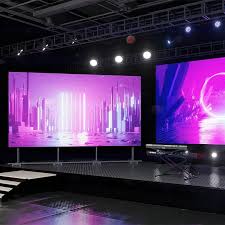
Central to these displays is the use of AI-driven image processing methods such as dynamic contrast adjustment, color calibration, and pixel refresh rate modulation. For example, neural networks can adjust brightness and color temperature in real-time to compensate for ambient lighting variations, improving visibility and reducing eye strain. This level of dynamic adaptation surpasses traditional fixed-parameter displays.
Key Technical Parameters and Performance Metrics
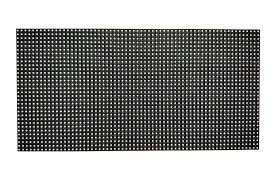
Several technical parameters highlight the enhanced capabilities of AI-powered digital displays:
- Resolution and Pixel Pitch: Modern LED displays now offer resolutions up to 8K (7680×4320) with pixel pitches as fine as 0.9mm, enabling ultra-high definition images essential for detailed AI-based content rendering.
- Refresh Rate: AI algorithms optimize refresh rates (typically 120Hz or higher) dynamically, reducing motion blur in video playback and improving input responsiveness in interactive applications.
- Brightness & Contrast Ratio: Typical maximum luminance levels exceed 2,000 nits, with AI-driven ambient light sensing allowing automatic brightness control to maintain optimal visibility without excessive power consumption.
- Color Accuracy: Utilizing machine learning for color calibration, AI-powered displays can achieve color gamuts approaching DCI-P3 or Rec. 2020 standards, important for cinematic-quality visuals.
- Power Efficiency: Intelligent power management algorithms reduce energy use by selectively dimming or shutting down LED modules in unused screen areas (local dimming), aligned with the latest IEC 62560 LED lighting standards.
Industry Standards and Compliance
The design and deployment of AI-driven LED displays must comply with international standards to ensure safety, interoperability, and reliability:
- IEC 62560 & IEC 62031 for LED module performance and safety.
- ITU-R BT.2100 for high-dynamic-range (HDR) video quality, increasingly relevant as AI enhances HDR content rendering.
- ISO/IEC 30170 which governs AI system transparency and ethical requirements in embedded AI deployments.
- RoHS & REACH for hazardous material restrictions ensuring environmental safety.
Adherence to these standards is critical for manufacturers and installers seeking certification and long product lifecycles.
Practical Applications and Case Studies
AI-powered digital displays are revolutionizing multiple industries:
- Retail and Advertising: By using facial recognition and demographic analysis, AI-enabled displays tailor advertising content in real-time based on viewer profiles, enhancing engagement and conversion rates.
- Transportation Hubs: Dynamic scheduling and congestion data feed AI systems that alter digital signage content instantly, improving passenger experience through timely updates.
- Healthcare: AI-powered medical visual displays provide enhanced image clarity during diagnostics and surgery via adaptive contrast control and error correction.
- Smart Cities: Public digital signage networks use AI to manage information flow, energy use, and interactive features, vastly improving urban communication infrastructure.
A representative case study is Samsung’s AI-based digital signage system implemented in major airports, where AI-driven content adjusts to passenger density and environmental conditions, resulting in measurable increases in passenger satisfaction and advertising ROI.
Challenges and Future Directions
While AI-powered LED displays offer transformative benefits, several challenges remain:
- Data Privacy: Collection and processing of user data for AI require robust privacy safeguards in line with GDPR and similar regulations.
- Complexity and Cost: Embedding AI requires more sophisticated hardware and software ecosystems, increasing initial costs.
- Interoperability: Ensuring AI systems integrate seamlessly across different platforms and networking standards remains a development focus.
Looking ahead, developments in quantum dot LED (QLED) technology combined with AI will push color quality and efficiency further. The rise of 5G and edge AI computing will expand intelligent display networks, enabling more responsive and personalized content at scale.
Conclusion
AI-powered digital displays symbolize the next frontier in LED technology, delivering smarter, more efficient, and immersive visual experiences. Through intelligent integration of AI, LED manufacturers and system integrators can achieve unprecedented control over display performance and user engagement, meeting the demands of an increasingly digital and interconnected world. Adhering to rigorous standards and focusing on practical deployments will ensure this innovative technology reshapes industries worldwide.













