

Advancements and Best Practices in LED Display Manufacturing for Superior Visual Performance
The LED display industry has witnessed rapid advancements over recent years, driven by the escalating demand for brighter, more durable, and energy-efficient screens in diverse applications ranging from public advertising to high-end corporate installations. As a professional LED display engineer with extensive experience in LED and LCD screen manufacturing, this article delves into the critical technical parameters, manufacturing best practices, and emerging technologies that define the current landscape of LED display production.
Understanding Key Technical Parameters
1. Pixel Pitch and Resolution
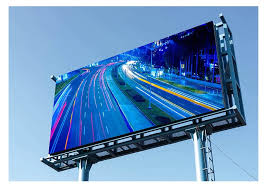
Pixel pitch, the distance between the centers of two adjacent LED pixels, is pivotal in determining a display’s resolution and clarity. Smaller pixel pitches (sub-1 mm) are crucial for close-viewing environments such as control rooms and command centers, delivering ultra-high-definition images. Conversely, larger pixel pitches (4–10 mm and above) are more suited for outdoor signage where viewing distances are extended. The international standard ITU-R BT.2020 for ultra-high-definition displays also guides the design in achieving wide color gamut and high dynamic range, which are standard requirements today.
2. Brightness and Contrast Ratio
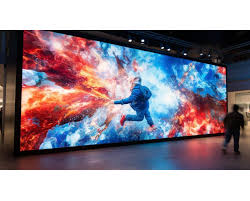
Brightness is generally measured in nits (candelas per square meter). For outdoor LED displays, brightness levels typically exceed 5,000 nits to combat direct sunlight, ensuring visibility even in dazzling ambient light conditions. Indoor displays, however, generally operate at 800-1,200 nits to maintain visual comfort. Contrast ratio, reflecting the luminance difference between the darkest black and brightest white, is equally critical and benefits significantly from advancements in LED chip technology that offer deeper blacks and richer colors.
3. Refresh Rate and Gray Scale
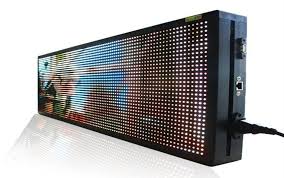
High refresh rates (1,920 Hz or greater) prevent flickering and provide smooth video playback, vital for applications like stadium screens and live events. Meanwhile, gray scale capability influences the accuracy of gradient rendering and color depth, especially in broadcast media. Typically, a gray scale of 14 bits per channel or higher is desired for professional grade displays.
Material Selection and Manufacturing Techniques
The backbone of reliable LED displays lies in superior materials and production methods:
- LED Chips and Driver ICs: Using top-tier SMD (Surface Mount Device) LED chips ensures uniform light emission and longevity. Popular driver ICs, such as those from Novastar and MBI, optimize power consumption and improve refresh performance.
- PCB and Module Design: High-quality FR4 or Rogers PCBs with efficient thermal management are essential for dissipating heat and maintaining structural integrity. Modular design facilitates easier maintenance and scalability, meeting flexible customer requirements.
- Quality Control and Environmental Standards: Adhering to IPC-A-610 standards for electronic assembly guarantees defect-free module production. Moreover, compliance with RoHS, REACH, and ISO 14001 ensures the manufacturing process respects environmental safety and sustainability.
Innovations Driving the Industry Forward
Recent case studies exemplify technological innovation:
- MicroLED Integration: MicroLED technology, which incorporates microscopic LEDs for each pixel, delivers unprecedented brightness, infinite contrast ratios, and energy efficiency without suffering burn-in issues typical of OLED displays. Samsung and Sony have demonstrated prototypes with pixel pitches as small as 0.5 mm, heralding a new generation of ultra-high-definition displays.
- AI and IoT Enhancements: Integrating AI-based calibration algorithms automatically adjusts color balance and brightness depending on ambient conditions, ensuring optimal visual performance. IoT connectivity allows remote diagnostics and predictive maintenance, reducing downtime and operational costs.
- Flexible and Curved Displays: Advances in flexible PCB materials enable curved and even rollable LED displays, expanding creative possibilities in architectural lighting and advertising. These innovations maintain pixel density and brightness uniformity, crucial for immersive viewer experiences.
Practical Guidelines for LED Display Procurement and Maintenance
- Verify product certifications and manufacturer track records to ensure authenticity and post-sale support.
- Opt for products with clear warranty policies covering LED lifespan, typically exceeding 100,000 hours of operational use under recommended conditions.
- Schedule regular maintenance focusing on cleaning connectors, checking power units, and monitoring operating temperatures to prolong display life and preserve image quality.
Conclusion
Manufacturing high-quality LED displays involves an intricate balance of advanced technology, precise engineering, and stringent quality management. By understanding critical technical parameters such as pixel pitch, brightness, and refresh rate, and by embracing the latest innovations like MicroLED and AI-driven maintenance systems, manufacturers and end-users alike can achieve superior performance and reliability. The LED display industry’s continuous evolution not only enhances viewing experiences worldwide but also drives sustainability and operational efficiency in the display technology realm.
For engineers and decision-makers, staying abreast of these developments and industry standards—such as those from the International Electrotechnical Commission (IEC), Society for Information Display (SID), and the Video Electronics Standards Association (VESA)—is essential to making informed choices and advancing the state of the art in LED display technology.













