

Advancements and Practical Applications of LED Display Technology in Modern Industry
LED display technology has undergone remarkable evolution over the past decade, becoming a cornerstone in various sectors ranging from advertising and transportation to healthcare and retail. As a professional LED display engineer with extensive experience in design, manufacturing, and implementation, I will provide a comprehensive overview of LED display technology's practical applications, advantages, prevalent challenges, and emerging trends, supported by industry standards and real-world data.
Practical Applications of LED Displays
One of the defining strengths of LED displays lies in their flexibility and scalability, which make them suitable for diverse applications:
1. Outdoor Advertising and Digital Signage
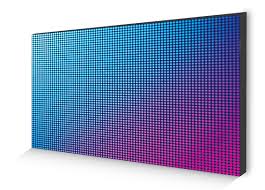
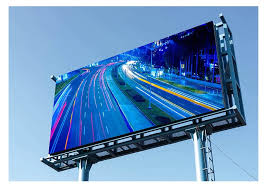
LED displays are extensively used for billboards, transit signs, and interactive kiosks due to their high brightness (often exceeding 7,000 nits for outdoor), wide viewing angles (commonly 120° to 160° horizontal), and durability under various weather conditions. Their ability to render dynamic, vivid content attracts public attention, enhancing brand visibility effectively.
2. Sports Arenas and Event Venues
Large-scale LED screens with pixel pitches as low as 2 mm are deployed inside stadiums to deliver crisp images to millions of spectators. Real-time video streaming, instant replays, and scoreboard integration optimize fan engagement.
3. Retail and Corporate Environments
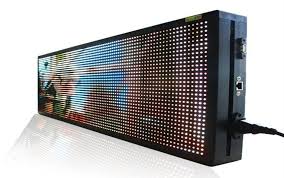
Indoor LED displays, typically with pixel pitches between 0.9 mm to 4 mm, are integrated into storefronts and conference rooms to create immersive experiences and support digital communication strategies.
4. Healthcare and Industrial Displays
In healthcare, ultra-high-resolution LED screens assist in imaging and diagnostics. Additionally, industrial control centers rely on video walls that offer high contrast ratios and reliable uptime for mission-critical monitoring.
Advantages of LED Display Technology
LED technology confers several benefits over traditional display systems such as LCD or projection:
- Energy Efficiency and Longevity
LEDs consume approximately 30-50% less energy compared to fluorescent or incandescent displays. Typical LED lifespans range from 50,000 to 100,000 hours, significantly reducing maintenance costs.
- Superior Brightness and Contrast
LEDs can achieve contrast ratios exceeding 5,000:1, delivering vibrant images even in direct sunlight—a feature critical for outdoor applications.
- Fast Response Times
With response times under 5 milliseconds, LED displays minimize motion blur and latency, improving video quality for gaming, broadcasting, and interactive uses.
- Customizability and Modularity
LED panels are designed for seamless assembly into video walls of varying sizes and shapes, facilitating creative installations in architecture and design.
Common Problems and Mitigation Strategies
Despite its advantages, LED display technology faces certain challenges:
- Heat Dissipation and Thermal Management
High brightness and dense pixel packing generate significant heat, which can accelerate LED degradation. Industry standards such as IEC 62368 require effective cooling designs—passive heatsinks combined with airflow management are critical.
- Color Consistency and Calibration
Variations in color temperature and luminance can occur due to component aging or supply chain inconsistencies. Automated calibration systems and colorimeters employing CIE 1931 color space metrics ensure sustained uniformity.
- Pixel Failure and Module Replacement
Dead pixels or module faults reduce display integrity. Designs incorporating hot-swappable modules and redundancy architectures minimize downtime during maintenance.
- Electromagnetic Interference (EMI)
Compliance with FCC Part 15 and CE directives mandates shielding and grounding to prevent signal degradation and interference with adjacent electronic equipment.
Latest Trends in LED Display Technology
As LED technology matures, several trends demonstrate the sector's innovative momentum:
- MicroLED and MiniLED Integrations
MicroLED technology, offering pixel sizes below 100 micrometers, promises ultra-high brightness, contrast, and resolution combined with lower power consumption. Although cost remains a barrier, pilot projects are demonstrating feasibility in premium displays.
- Flexible and Transparent LED Displays
Bendable and transparent LED panels extend installation options to windows, vehicle surfaces, and curved structures, enhancing advertising and architectural aesthetics.
- AI-Driven Content Optimization and Maintenance
Artificial intelligence is being integrated to dynamically adjust brightness and contrast based on ambient lighting and content characteristics. Predictive maintenance algorithms analyze sensor data to preempt hardware failures, improving uptime.
- Energy Harvesting and Smart Connectivity
Emerging LED systems incorporate IoT capabilities, enabling remote monitoring and integration with building management systems. Some solutions explore solar energy harvesting to reduce environmental impact.
Conclusion
LED display technology continues to transform visual communication across industries through its unmatched brightness, scalability, and versatility. Understanding the practical applications, inherent advantages, and challenges, alongside leveraging the latest technological trends, is essential for engineers and manufacturers striving to deliver optimal solutions.
Maintaining adherence to industry standards such as ANSI/NEMA C136.37 for outdoor sign energy efficiency and IEC 62368 for safety ensures product reliability and market acceptance. As the demand for immersive and efficient displays intensifies worldwide, ongoing innovation and quality control remain pivotal to advancing LED technology's successful deployment.













