

Advanced Techniques and Standards in LED Display Manufacturing for Superior Performance
The LED display industry has witnessed remarkable technological advancements over the past decade, driven by increasing demand for high-resolution, energy-efficient, and durable display solutions worldwide. As a professional LED display engineer with extensive experience in LED and LCD technologies, I will provide an in-depth analysis of the critical manufacturing techniques, technical parameters, and industry standards that govern the production of high-quality LED displays. This article aims to offer comprehensive insights into the manufacturing process, key performance metrics, and quality control strategies that ensure LED displays meet rigorous commercial and industrial requirements.
Introduction
LED (Light Emitting Diode) displays have become ubiquitous in diverse applications ranging from consumer electronics to large-scale outdoor billboards. The evolution from traditional LCD displays to advanced LED and micro-LED technologies has enabled superior brightness levels, wider color gamuts, and longer lifespan. Manufacturing LED displays requires precision engineering, robust quality assurance, and adherence to international standards such as ISO 9001, ANSI/CTA-2035 for color accuracy, and IEC standards for electrical safety.
Main Body
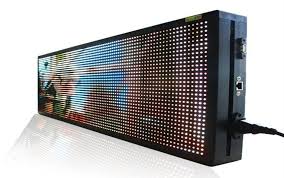
1. Key Components and Materials
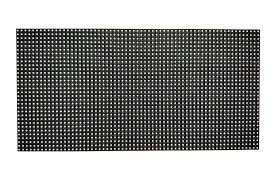
At the heart of an LED display are the LED chips, typically composed of Indium Gallium Nitride (InGaN) for blue and green LEDs, and Aluminum Gallium Indium Phosphide (AlGaInP) for red LEDs. The selection of semiconductor materials influences brightness, wavelength stability, and energy efficiency. High-quality PCB substrates (such as FR4 or metal-core PCBs) enhance heat dissipation, crucial for maintaining performance and longevity.
The encapsulation materials, often silicone-based resins, protect LEDs from environmental factors like moisture and UV radiation. Optimizing the encapsulation process minimizes optical losses and color distortion.
2. Manufacturing Process
Manufacturing LED displays involves several stages that must be tightly controlled:
- LED Chip Preparation and Testing: Before assembly, LED chips undergo binning processes to classify LEDs by luminous intensity, forward voltage, and color wavelength. This ensures uniformity across the display.
- Mounting Techniques: Techniques such as SMT (Surface-Mount Technology) enable precise placement of LED chips on PCBs. For high-density displays, fine-pitch SMT with placement accuracy within ±10 micrometers is critical.
- Soldering Processes: Reflow soldering in a nitrogen environment reduces oxidation and ensures reliable electrical connections. Consistent solder joint quality is critical to display lifespan and reliability.
- Optical Assembly: Application of diffuser lenses or micro-lenses enhances viewing angles and brightness uniformity. Advanced LED displays use nanostructured lens arrays for improved light extraction efficiency.
- Calibration and Testing: Post-assembly calibration using spectroradiometers ensures color accuracy (targeting Delta E values below 2 for high-end displays) and luminance uniformity. Environmental stress testing (temperature cycling, vibration, humidity) confirms durability standards as per MIL-STD-810G or IEC 60068.
3. Technical Parameters
Several parameters define LED display performance:
- Brightness: Measured in nits (cd/m²), typical indoor LED displays range from 600 to 1200 nits, while outdoor models require over 5000 nits for daylight visibility.
- Pixel Pitch: The distance between adjacent LED pixels, ranging from 0.5mm in micro-LED displays for smartphones to 10mm or more in large outdoor displays. Lower pixel pitch yields higher resolution and finer image quality.
- Refresh Rate: High refresh rates (≥120 Hz) reduce flicker and improve video smoothness, essential for broadcasting and gaming applications.
- Contrast Ratio: Modern LED displays achieve contrast ratios exceeding 10000:1, enhancing image depth and vibrancy.
- Lifespan: Rated in terms of 50% luminous degradation (L50), typical LED modules operate for 50,000 to 100,000 hours under normal conditions.
4. Quality Control and Industry Standards
Adherence to international standards is vital for reliable manufacturing:
- ISO 9001: Ensures quality management systems throughout production.
- IEC 62368-1: Specifies safety requirements related to electronic equipment.
- RoHS and REACH Compliance: Limits hazardous substances in materials and manufacturing processes.
- Color Calibration Standards: Following ANSI/CTA-2035 guidelines guarantees consistent color across batches.
Advanced production lines integrate automated optical inspection (AOI) systems and real-time data analytics for defect detection and process optimization.
Conclusion
Manufacturing high-performance LED displays demands meticulous attention to material selection, assembly precision, and robust quality control aligned with international standards. Through leveraging state-of-the-art semiconductor materials, precision SMT technology, and sophisticated calibration methods, manufacturers can produce displays that excel in brightness, resolution, and longevity. Continuous innovation and adherence to evolving industry standards are essential to meet the growing global market demands for reliable LED display solutions across varied applications.
By integrating these advanced manufacturing principles and stringent quality assurance processes, LED display producers can ensure superior product performance that withstands environmental challenges while delivering exceptional visual experiences.













