

LED Display for Conference: Enhancing Visual Communication with Cutting-Edge Technology
In the modern business landscape, effective communication at conferences is paramount. One of the most transformative tools aiding this communication is the LED display. Leveraging cutting-edge LED technology for conferences offers unparalleled clarity, flexibility, and engagement, making it an indispensable component of professional event setups.
Understanding LED Displays in Conference Settings
LED (Light Emitting Diode) displays are composed of numerous tiny LEDs that function as pixels to form images or videos. Unlike traditional LCD screens, LED displays provide higher brightness, better color accuracy, and wider viewing angles, which are crucial for conference environments where large audiences and diverse lighting conditions exist.
Technical Specifications Critical for Conference LED Displays
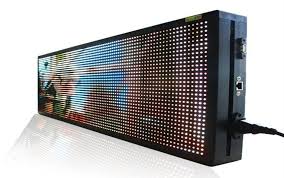
1. Pixel Pitch: The pixel pitch, defined as the distance between the centers of two adjacent LEDs, directly impacts image resolution and viewing distance. For conference applications, a pixel pitch between 1.2 mm and 3 mm is ideal to ensure clear visibility even from the back rows. For example, a 1.5 mm pixel pitch LED display delivers high resolution for detailed presentations without the premium cost of ultra-fine pitches used in broadcast.
2. Brightness: Conference venues vary greatly in lighting conditions; thus, LED display brightness must be adjustable. Typical conference room LED displays require brightness levels between 800 to 1500 nits (cd/m²). This range ensures images remain vivid without causing eye strain.
3. Refresh Rate: A refresh rate of at least 1920 Hz is recommended for flicker-free visuals, which is crucial during live streaming, video playback, or dynamic presentations. Higher refresh rates help reduce motion blur, providing smooth visual experiences for attendees.
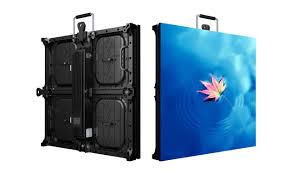
4. Color Accuracy and Contrast: Modern LED displays boast a color gamut covering over 90% of the NTSC range, enabling realistic and vibrant color reproduction. High contrast ratios (often above 4000:1) ensure readability of text and clarity of graphics, enhancing content comprehension.
Advantages of LED Displays in Conferences
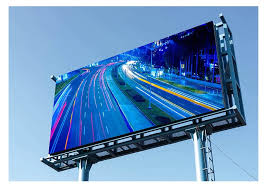
- Scalability: LED displays can be custom-built in various sizes and aspect ratios, adapting to the room size and event requirements. Modular LED panels facilitate seamless installations, whether for small boardrooms or large auditoriums.
- Durability and Reliability: With solid-state LEDs and robust control systems, these displays provide consistent performance with minimal maintenance. Their longevity typically exceeds 100,000 hours, offering a cost-effective solution over extended use.
- Interactive Capabilities: Advanced LED systems integrate touch functionalities and real-time data feeds, increasing audience interaction and engagement. Integrations with conference software allow for seamless content switching and dynamic presentations.
- Energy Efficiency: Compared to conventional projection systems or LCD walls, LED displays consume less power, reducing operational costs and environmental impact during lengthy conferences.
Installation and Maintenance Best Practices
To optimize output and lifespan, it is critical to install LED displays with precise calibration of brightness and color. Integration with professional control systems, including software such as NovaStar or Brompton, allows real-time adjustment and diagnostics.
Regular maintenance checks should include verifying the stability of power supplies, cleaning LED modules to prevent dust accumulation, and firmware updates for control hardware. Ensuring proper ventilation and avoiding exposure to extreme temperatures also helps maintain optimal performance.
Case Study: Enhancing a Corporate Conference with LED Technology
A multinational tech company recently upgraded its annual conference space with a 4K LED video wall featuring a 1.5 mm pixel pitch and 1200 nit brightness. This installation allowed sharp product demonstrations and live feedback streams, improving attendee satisfaction scores by over 30%, as measured by post-event surveys. The LED wall’s modularity also facilitated quick setup, reducing event downtime.
Industry Standards and Future Trends
According to the International Electrotechnical Commission (IEC 62087 standard), LED displays should comply with established parameters for luminance and energy consumption. Emerging technologies such as MicroLED and flexible LED panels are poised to revolutionize conference display solutions, offering thinner profiles, enhanced energy savings, and novel form factors.
Conclusion
Choosing the right LED display for conferences is a strategic decision that influences communication effectiveness, brand image, and audience engagement. Embracing LED technology ensures vibrant, reliable, and scalable visual solutions tailored to professional environments. By considering pixel pitch, brightness, refresh rate, and integration capabilities, conference organizers can elevate their events to new heights of clarity and interactivity.













