

Open Frame TFT Displays: Comprehensive Insights and Industry Applications
Open Frame TFT (Thin-Film Transistor) displays have become a cornerstone technology in modern digital visualization across various industries. As a seasoned LED and LCD display engineer with extensive experience in manufacturing and deployment, I will explore the technical aspects, industry applications, and best practices for open frame TFT screens. This article provides an authoritative guide backed by industry standards, technical parameters, and practical insights.
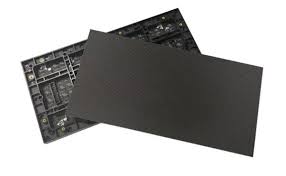
An open frame TFT display is characterized by its exposed hardware structure, often lacking an outer bezel or enclosure. This design facilitates integration into custom housings or embedded systems, making it highly versatile for industrial, medical, and retail environments. Unlike traditional fully enclosed monitors, open frame TFTs provide greater flexibility in mounting and customization without compromising durability or performance.
Technical Parameters and Standards
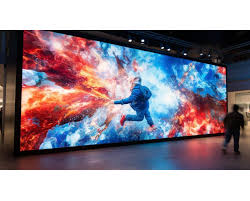
Open frame TFT displays typically use LCD panels with TFT technology, where each pixel is controlled by thin-film transistors that enable fast response times and high image quality. The key technical parameters to consider include:
- Resolution: Common open frame TFT sizes range from 5 inches to 24 inches with resolutions from 800x480 (WVGA) to 1920x1080 (Full HD) and higher, supporting precise image rendering necessary in professional applications.
- Brightness: Industrial-grade open frame TFT displays start at 300 nits, with sunlight-readable variants reaching up to 1000 nits or more, ensuring clarity in challenging lighting environments as per IEC 62471 guidelines.
- Viewing Angles: IPS (In-Plane Switching) panels are preferred for open frame applications due to their wide viewing angles, often up to 178°, maintaining color consistency across different perspectives.
- Touch Integration: Capacitive and resistive touch options can be integrated into the open frame design, providing multi-touch capability and durability in demanding environments. Customized touch coatings improve anti-glare and anti-fingerprint performance.
- Connectivity: Standard interfaces include LVDS, eDP, HDMI, and DisplayPort, ensuring compatibility with embedded systems and industrial controllers.
Manufacturing and Quality Control
Manufacturing open frame TFT displays requires stringent quality control under international standards such as ISO 9001 and RoHS compliance to ensure reliability and environmental safety. Thermal management is critical in open chassis designs; advanced heat dissipation solutions, including heat sinks and thermal pads, prevent overheating during continuous operation.
Applications Across Industries
1. Industrial Automation: Open frame TFT displays are widely used in machinery HMI (Human-Machine Interface) panels, offering reliable touch functionality and real-time data visualization in harsh factory settings.
2. Medical Equipment: Their compact and customizable nature allows integration into diagnostic machines and patient monitoring systems, where clear imaging and sterile construction are essential.
3. Retail and Kiosks: Interactive kiosks benefit from open frame TFT displays for their sleek look and easy integration behind custom bezels or enclosures, enabling engaging customer interaction.
4. Transportation: Rugged open frame displays are embedded in vehicle dashboards, train control panels, and aviation instrumentations where durability and high legibility are critical.
Industry Case Study
In a recent deployment for a global medical equipment manufacturer, open frame TFT displays with a 15.6-inch IPS panel and capacitive touch enabled the development of a highly responsive, compact ultrasound device interface. The display met IEC 60601 compliance for medical electrical equipment, demonstrating the adaptability of open frame TFT technology to exacting regulatory demands.
Future Trends and Innovations
The evolution of open frame TFT screens will likely focus on slimmer profiles, higher resolution panels (4K TFT options emerging), enhanced touch technologies including haptic feedback, and increased integration with IoT and AI for smart diagnostics and interactive environments. Flexible open frame TFT displays are also under development, promising new possibilities in wearable medical and industrial devices.
In summary, open frame TFT displays offer unmatched flexibility, performance, and customization options, making them indispensable in various professional sectors. Understanding the technical specifications, adhering to industry standards, and choosing the appropriate configuration will ensure optimal implementation and longevity of these display solutions.
References:
- International Electrotechnical Commission (IEC) standards for display safety and performance.
- ISO 9001 Quality Management Systems standard for manufacturing.
- Technical whitepapers from The Display Industry Association (DIA).
- Case studies published by leading TFT LCD suppliers such as LG Display and Sharp Corporation.













