

Advanced Manufacturing Techniques and Quality Control in LED LCD Screen Production
The LED LCD (Light Emitting Diode Liquid Crystal Display) screen industry has witnessed substantial advancements driven by escalating demands for higher resolution, enhanced brightness, and energy efficiency in consumer electronics, automotive displays, and industrial applications. As a professional LED display engineer, I will elaborate on the key manufacturing techniques, critical technical parameters, and stringent quality control practices essential for producing high-performance LED LCD screens, incorporating industry standards and case references.
At the core of LED LCD technology lies the integration of LED backlighting with LCD panels, combining the advantages of LED’s superior luminance and energy efficiency with the versatile color reproduction and viewing angles of LCD technology. The manufacturing process encompasses several stages: substrate preparation, thin-film transistor (TFT) array fabrication, liquid crystal cell assembly, backlight module integration, and final calibration and testing.
1. Substrate and Thin-Film Transistor Fabrication
The foundation of LED LCD screens is a high-quality glass substrate, often made of aluminosilicate or low-iron glass, which must meet strict flatness and thickness tolerances—typically within ±10 micrometers. On this substrate, the TFT array is fabricated using advanced photolithography and plasma-enhanced chemical vapor deposition (PECVD) techniques. TFTs, often made of amorphous silicon or low-temperature polysilicon (LTPS), act as pixel switches, controlling the voltage applied to liquid crystal cells. LTPS TFTs enable higher electron mobility (up to 0.5–1 cm²/V·s), which supports higher resolution, faster response times, and lower power consumption.
2. Liquid Crystal Cell Assembly
The next critical phase involves aligning the liquid crystal molecules within the cell to achieve optimal light modulation. This requires applying alignment layers, typically polyimide films, followed by a rubbing process to orient the liquid crystals. The cell gap—the distance between the substrates—is maintained with precise spacers around 3 to 5 micrometers, critical for consistent optical properties and response times. The liquid crystals themselves must meet strict purity and viscosity specifications detailed in IEC 61215 standards to ensure uniformity and longevity.
3. LED Backlight Module Integration
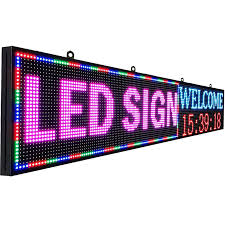
The LED backlight system is a pivotal component influencing brightness, color gamut, and energy efficiency. Modern LED LCDs employ edge-lit or direct-lit architectures, with high-brightness LEDs typically rated at 3000 to 5000 millicandela per LED for consumer applications and up to 10,000 millicandela for industrial panels. The choice between InGaN (Indium Gallium Nitride) blue LEDs combined with yellow phosphor or RGB (Red, Green, Blue) LED arrays affects the achievable color gamut, where standards such as Rec. 709 and DCI-P3 guide color reproduction targets.
Thermal management in the LED backlight is paramount; improper heat dissipation leads to LED degradation and brightness inconsistency. Heat sinks, thermally conductive adhesives, and active cooling mechanisms are engineered to maintain junction temperatures below 90°C, significantly prolonging LED lifespan beyond 50,000 hours at 1000 cd/m² brightness.
4. Optical Films and Display Module Assembly
To optimize light utilization and improve contrast ratios, manufacturers incorporate multiple optical films—diffusers, brightness enhancement films (BEF), and polarization layers—within the module. These films are selected and laminated with precision to reach luminance uniformity ratings above 85%, critical for premium displays.
5. Calibration, Testing, and Quality Assurance
Comprehensive testing procedures ensure performance and reliability. Brightness, contrast ratio, color accuracy, and response times are measured using spectroradiometers and colorimeters. Panels must meet the industry-accepted response time below 8 milliseconds for standard displays and even faster for gaming or automotive markets.
Durability tests, conforming to standards like MIL-STD-810G, examine resistance to vibration, shock, humidity, and temperature extremes. Additionally, lifetime testing under accelerated aging conditions validates the display’s operational robustness, with typical failure rates maintained under 0.1% in batch production.
Case Study: Automotive Head-Up Display Application
In automotive HUD systems, the LED LCD screen must exhibit exceptional brightness (>2000 cd/m²) to remain legible in direct sunlight, coupled with wide operating temperature ranges (-40°C to +85°C). Using LTPS TFT substrates and specialized LED phosphors enhances contrast while ensuring energy efficiency compatible with vehicle power systems. This has been achieved by top-tier manufacturers such as LG Display and Samsung Display, adhering to ISO 26262 automotive safety standards.
Industry Standards and Trends
Compliance with ISO 9241 for ergonomic quality of electronic visual displays, IEC 62368-1 for safety, and JEITA standards for reliability are foundational. The emerging trend towards mini-LED backlighting introduces thousands of localized dimming zones, dramatically improving contrast ratios (~1000000:1) and HDR performance, poised to revolutionize the market.
In conclusion, advanced manufacturing of LED LCD screens demands rigorous control over material selection, precise fabrication technology, and relentless quality assurance protocols. Leveraging cutting-edge LED materials, TFT technologies, and optical engineering ensures that modern LED LCD screens meet the highest expectations for brightness, color fidelity, durability, and energy efficiency in diverse applications globally.













