

Innovative Solutions and Technical Insights into Cab Top LED Displays
Cab top LED displays have become an essential component for modern urban transportation systems and commercial advertising on taxis worldwide. These specialized LED display modules are designed for rooftop integration on vehicles, primarily taxis, to provide real-time information, advertisements, and dynamic messaging. This article delves into the engineering principles, manufacturing challenges, technical parameters, and industry standards that govern the production and operational excellence of cab top LED displays.
Design and Structural Considerations
Cab top LED displays require robust structural design to withstand harsh environmental conditions including UV exposure, rain, wind shear, and temperature fluctuations typically ranging from -20°C to +60°C. The chassis is generally made from lightweight aluminum alloys, enabling corrosion resistance while ensuring the unit remains lightweight to prevent adverse impacts on the vehicle’s aerodynamics and fuel efficiency.
The LED modules themselves use high-brightness semiconductor diodes with a luminance typically between 5,000 and 8,000 nits, which is critical for maintaining visibility under direct sunlight, a key requirement in outdoor vehicular displays. The pixel pitch of cab top LED displays commonly ranges from P6mm to P10mm, balancing between resolution and viewing distance.
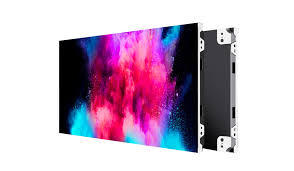
Technological Advancements and Display Quality
Modern cab top LED displays incorporate surface-mounted device (SMD) technology, particularly SMD 3535 or SMD 2121 LEDs, which offer wide viewing angles of up to 140° (horizontal) and 120° (vertical). These specifications ensure messages and advertisements remain legible from various angles and distances, improving commuter engagement and advertising revenue potential. Cutting-edge models integrate adaptive brightness control systems utilizing ambient light sensors to optimize power consumption and reduce glare during nighttime operations.
Furthermore, advanced cab top LED units utilize Wireless Communication Protocols such as 4G/5G and Narrowband IoT (NB-IoT) for real-time content updates, remote diagnostics, and data telemetry. This integration enhances operational efficiency and enables dynamic message scheduling based on GPS location or traffic conditions, offering a flexible solution for transportation authorities and advertisers.
Manufacturing Challenges and Quality Assurance
Producing cab top LED displays at scale involves stringent quality control processes to ensure durability and operational stability across tens of thousands of units. Key manufacturing challenges include ensuring uniform LED brightness, solder joint integrity, and waterproofing rated at IP65 or higher. The latter is critical to prevent moisture infiltration, which could cause LED module failure.
Industry-standard tests such as thermal cycling, vibration, and UV resistance assessments are performed per IEC 60068 and MIL-STD-810G protocols to simulate real-world operational stresses and extend product lifecycle. Additionally, EMC (Electromagnetic Compatibility) compliance ensures the cab top displays do not adversely interfere with vehicle electronics or public communication networks.
Industry Standards and Regulatory Compliance
Compliance with international safety and environmental regulations is non-negotiable. Cab top LED displays conform to RoHS (Restriction of Hazardous Substances) directives to minimize toxic material usage. Additionally, CE certification is essential for displays marketed in Europe, ensuring conformity with health and safety standards. For traffic safety, brightness and flicker levels must comply with standards such as SAE J1383 for automotive lighting to prevent driver distraction or glare hazards.
Case Studies: Real-World Applications and Impact
A notable application is in major metropolitan cities, where cab top LED displays have been integrated with city transit networks. For example, London's iconic black cabs use cab top LED units with GPS synchronization to display route information and dynamic emergency messages during special events or disruptions.
Another example is Singapore's pilot project where cab top LED displays serve as mobile media platforms, offering geo-targeted advertisements which have resulted in a 25% increase in advertiser engagement metrics compared to static on-vehicle branding.
Future Trends and Innovations
R&D efforts are focused on increasing pixel density to below 4mm pitch for ultra-high-definition displays, deploying micro-LED technology, and enhancing energy efficiency through better heat dissipation mechanisms, including graphene-based substrates. Integration with AI-driven content management systems is expected to optimize advertisement targeting and reduce operational costs further.
In summary, cab top LED displays represent a convergence of advanced LED technology, rugged mechanical design, and wireless communication innovations tailored for dynamic urban environments. Adhering to stringent technical parameters and industry standards ensures these devices deliver bright, reliable information and advertising solutions while maintaining vehicular safety and operational efficiency.
As global urbanization accelerates, the role of cab top LED displays in the smart city ecosystem will continue to expand, making expertise in their design and manufacturing a pivotal asset for manufacturers and integrators alike.
— End of Article —













