

Advances and Best Practices in LED Display Manufacturing for Optimal Performance
In the rapidly evolving field of display technology, LED (Light Emitting Diode) displays have established themselves as the leading choice for a wide range of applications—from indoor and outdoor advertising to control rooms and high-end consumer electronics. As professional LED display engineers, understanding the intricacies of LED display manufacturing is crucial to creating products that meet the highest standards in brightness, color accuracy, longevity, and reliability.
Materials and Components
The foundation of any high-quality LED display begins with the selection of LED chips. Typically, manufacturers employ SMD (Surface Mount Device) LED chips composed of GaN (Gallium Nitride) or InGaN (Indium Gallium Nitride) for blue and green emissions, while red LEDs often incorporate AlGaInP (Aluminum Gallium Indium Phosphide) semiconductors. The choice of phosphor materials and encapsulation techniques directly affects the chromaticity coordinates, ensuring wide color gamut coverage compliant with industry standards such as Rec. 709 and Rec. 2020.
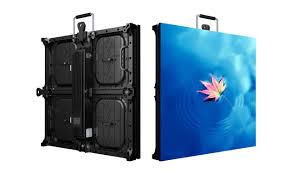
The substrate material for LED mounting, often FR4 or aluminum-based printed circuit boards, impacts thermal management—a critical factor in LED longevity and brightness consistency. Efficient heat dissipation mechanisms, including direct bonding to metal backplanes and use of thermal interface materials, ensure stable operation even under high luminance settings typically exceeding 1200 nits for indoor displays and up to 6000 nits for powerful outdoor modules.
Manufacturing Processes
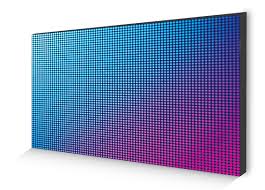
Precision in assembly demands automated pick-and-place machines capable of positioning LEDs with micron-level accuracy, which influences pixel pitch and overall display resolution. Typical pixel pitches range from 0.9mm for fine-pitch indoor displays to 10mm or greater for large-format outdoor signage. Advances in chip-scale packaging (CSP) have allowed tight integration and smaller pixels, improving viewing experience in close-up applications such as control rooms and medical displays.
Quality control during manufacturing is governed by strict adherence to IPC standards, including IPC-A-610 for electronic assembly and IPC-7711/7721 for rework and repair. High-end factories supplement these with in-line automated optical inspection (AOI) systems and electroluminescence testing to detect dead pixels or binning mismatches before module assembly.
Calibration and Color Management
Post-assembly calibration optimizes uniformity and color balance. Modern LED displays utilize software-driven methods combining gamma correction and proprietary algorithms to align diodes for uniform luminance and chromaticity. Color calibration devices often employ spectroradiometers conforming to CIE standards, enabling real-time correction compensating for aging and environmental factors such as ambient temperature and humidity.
This calibration process helps maintain industry-compliant color rendition indices (CRI) above 80 in professional installations and ensures fidelity in critical applications like broadcast studios where color accuracy is paramount.
Environmental and Reliability Standards
LED display products are expected to comply with international standards such as IEC 62717 for LED modules and IEC 62031 for LED arrays to guarantee electrical safety and operational reliability. Additionally, IP ratings (Ingress Protection) define the suitability of the display against dust and water ingress, ranging from IP20 for indoor use to IP65 or higher for outdoor installations exposed to harsh weather.
The mean time between failures (MTBF) for modern LED modules often surpasses 100,000 hours, achieved through stringent component selection and robust thermal design. Burn-in processes during manufacturing further reduce the risk of early failure.
Trends and Innovations
Emerging technologies like MicroLED and MiniLED are reshaping the landscape by offering ultra-high resolution and contrast ratios rivaling OLED displays while maintaining LED advantages in brightness and lifespan. Moreover, integration with IoT and AI allows real-time performance monitoring and predictive maintenance, enhancing display uptime dramatically.
In conclusion, manufacturing high-performance LED displays requires a harmonious blend of semiconductor expertise, precision assembly, rigorous testing, and continuous calibration. Meeting and exceeding international standards not only ensures product reliability but also provides end-users with superior visual experiences across diverse applications.
Authoritative Sources and References:
- International Electrotechnical Commission (IEC) Standards: IEC 62717, IEC 62031
- IPC-A-610 – Acceptability of Electronic Assemblies
- Society for Information Display (SID) Technical Papers
- Datasheets from leading LED chip manufacturers such as Nichia, Cree, and Osram
- “LED Display Technology and Applications,” Journal of Display Technology, IEEE













