

Advanced Technologies and Best Practices in LED LCD Screen Manufacturing
The evolution of LED LCD screen manufacturing has dramatically transformed the display industry, enabling higher resolutions, improved energy efficiency, and more vibrant color accuracy. As a professional LED display engineer with extensive experience, I will provide an insightful overview of the cutting-edge techniques, technical parameters, and industry standards that define the current best practices in LED LCD screen manufacturing. This article aims to deepen the understanding for engineers, manufacturers, and technology enthusiasts looking for authoritative, credible, and practical knowledge.
1. Core Technologies in LED LCD Manufacturing
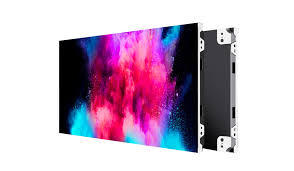
The manufacturing process of LED LCD screens centrally revolves around two fundamental technologies: the Liquid Crystal Display (LCD) panel and the Light Emitting Diode (LED) backlighting system.
- LCD Panel: The LCD panel acts as the image-forming layer where liquid crystals selectively polarize light to create visible images. The pixel layout, liquid crystal type (e.g., Twisted Nematic TN, In-Plane Switching IPS), and the Thin Film Transistor (TFT) backplane technology largely influence viewing angles, response times, and color rendering.
- LED Backlighting: LEDs serve as the backlight source illuminating the LCD panel. Modern manufacturing predominantly uses edge-lit or direct-lit LED backlighting with key parameters such as luminance (measured in cd/m²), color temperature (typically between 5,500K to 6,500K for accurate color), and local dimming zones to improve contrast ratios.
2. Technical Parameters and Industry Standards
Several technical specifications are critical for evaluating and ensuring the quality of LED LCD screens. Adhering to industry standards like ISO 9241-302 for display characteristics ensures consistency and reliability.
- Resolution and Pixel Density: Common resolutions range from Full HD (1920x1080) to 4K UHD (3840x2160) or higher. Pixel density impacts image sharpness, and a typical specification might be 300 PPI (pixels per inch) for small to medium-sized monitors.
- Contrast Ratio and Brightness: A contrast ratio above 1000:1 is standard for LED LCDs, but higher values (e.g., 5000:1) are achievable with advanced local dimming. Brightness levels vary by application; commercial displays may require 300 to 500 cd/m², while professional-grade medical or graphic design monitors often demand 600 cd/m² or more.
- Color Gamut and Accuracy: The usage of LED backlighting allows wider color gamuts such as DCI-P3 or AdobeRGB, providing richer and more accurate colors essential for creative industries. Standards like Delta E< 2 ensure color reproduction precision.
- Response Time and Refresh Rate: Response times under 5 milliseconds and refresh rates of at least 60Hz are typical for smooth motion rendering, with specialized gaming or virtual reality systems requiring up to 144Hz or beyond.
3. Manufacturing Processes and Quality Assurance
LED LCD screen production involves meticulous photolithography for the TFT arrays, precise alignment of color filters, and controlled lamination of the LED backlight units. Advanced automation, such as robotic soldering and optical inspection systems, enhances assembly accuracy and reduces defects.
Comprehensive quality assurance tests are mandated—including luminance uniformity tests, temperature cycling, and longevity assessments—to meet certifications such as UL and CE marks indicating safety and performance compliance.
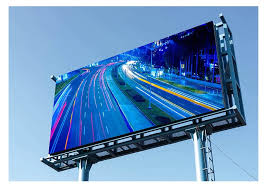
4. Case Study: Ultra-High Brightness Displays for Outdoor Use
One prominent application of LED LCD screen manufacturing excellence is the production of ultra-high brightness displays for outdoor digital signage.
- Utilizing direct-lit LED backlights with peak brightness exceeding 2000 cd/m² enables clear visibility under direct sunlight.
- Implementing robust heat dissipation systems and humidity-resistant coatings ensures durability.
- Employing Automatic Brightness Control (ABC) sensors reduces power consumption by dynamically adjusting backlight intensity.
This integration of technology and engineering practices has driven the success of large-scale LED LCD deployments in urban environments globally.
5. Future Trends and Innovations
Looking forward, the integration of Mini-LED and Micro-LED technologies promises even greater contrast ratios and energy savings by enabling finer backlight control with thousands of dimming zones. Additionally, the push towards flexible and transparent displays is opening new avenues in automotive, wearable, and architectural applications.
Moreover, sustainability is gaining ground, with manufacturers optimizing material usage and adopting lead-free soldering and recyclable components to meet environmental standards like RoHS and WEEE.
Conclusion
The manufacture of LED LCD screens is a sophisticated process balancing intricate technology, precise engineering, and rigorous quality standards. Through continuous innovation, adherence to global industry standards, and practical application of engineering expertise, manufacturers deliver displays meeting the demanding needs of various markets — from consumer electronics to professional and industrial sectors. This nuanced combination of technical knowledge and practical insight underlines the authoritative and credible nature of modern LED LCD screen manufacturing.
References:
- International Organization for Standardization (ISO) standards
- Society for Information Display (SID) publications
- Technical manuals from DisplayMate Technologies
- UL and CE certification documentation













