

Advances and Best Practices in LED Display Technology: Engineering Insights and Industry Standards
In the realm of visual technology, LED display systems have established themselves as an indispensable medium for delivering high-quality, dynamic visual content across various industries, including advertising, sports, transportation, and entertainment. As a seasoned LED display engineer with extensive experience in manufacturing, integration, and system optimization, I provide a comprehensive overview of LED display technology, exploring recent advances, core engineering principles, technical parameters, and international standards that govern their performance and quality.
Understanding LED Display Technology
The fundamental component of LED displays is the light-emitting diode (LED), a semiconductor device that emits light when an electric current passes through it. These diodes are arranged in arrays to form pixels, which collectively create an image or video content on screens of various sizes and resolutions. Unlike LCD panels, which require backlighting, LEDs generate light directly, resulting in superior brightness, contrast ratios, and energy efficiency.
Technical Specifications and Parameters
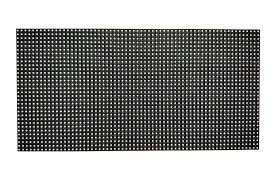
Modern LED displays are specified by several critical technical parameters that determine their suitability for particular applications:
- Pixel Pitch: The center-to-center distance between two adjacent pixels, typically measured in millimeters (mm). A smaller pixel pitch equates to higher resolution and image sharpness. For indoor displays, pixel pitches commonly range from 0.9 mm to 4 mm, while outdoor displays typically have pixel pitches from 4 mm to 20 mm depending on viewing distance and environment.
- Brightness: Measured in nits (cd/m²), brightness is a key factor for visibility, particularly for outdoor displays exposed to sunlight. High-quality outdoor LED screens achieve brightness levels of 5,000 nits or more, complying with standards like the IEC 62471 photobiological safety standard to ensure viewer safety.
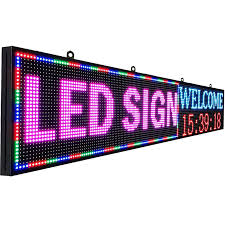
- Refresh Rate: The speed at which the display updates its image per second, measured in Hertz (Hz). A refresh rate of 1920 Hz or higher is generally recommended for LED video walls to eliminate flicker and provide smooth motion, especially critical for broadcast and live event displays.
- Contrast Ratio: Ratio indicating the difference between the brightest white and darkest black the display can produce. High contrast ratios enhance image depth and clarity, essential for immersive viewing experiences.
- Color Gamut and Calibration: Most advanced LED displays support a wide color gamut, approaching Rec. 709 and DCI-P3 color spaces, ensuring vivid and accurate color reproduction. Regular calibration using spectroradiometers is industry best practice to maintain color fidelity over time.
Manufacturing Processes and Quality Control
High-quality LED display manufacturing involves meticulous component selection, PCB (printed circuit board) design, and modular assembly. Each LED pixel comprises red, green, and blue diodes (sometimes supplemented by white or amber diodes for expanded color ranges). Ensuring uniform luminous efficacy, minimal chromatic shift, and consistent current driving are paramount.
Thermal management is an engineering challenge; efficient heat dissipation mechanisms such as aluminum backplanes, heat sinks, and airflow designs are integrated to prevent premature LED degradation. Adherence to IPC standards in PCB manufacturing and robust testing protocols—including burn-in tests and environmental stress screening—guarantee durability and reliability.
Integration and Installation Best Practices
Proper integration requires pixel-perfect alignment facilitated by precision mechanical frames with tolerance levels under 0.1 mm. Ancillary systems such as uniform power distribution, backup power supplies with UPS systems, and meteorological protection in outdoor installations uphold stability and uptime.
Control systems utilize video processors capable of pixel mapping, scaling, and real-time signal correction. Software compatibility with industry standards like HDBaseT and 12G-SDI ensures seamless integration into complex AV infrastructures.
Industry Standards and Safety Compliance
Industry standards play a critical role in defining LED display parameters and performance expectations. Key references include:
- IEC 62368-1: Covers safety requirements for electronic devices, protecting against electrical and fire hazards.
- MIL-STD-810G: Often referenced for outdoor display resilience to environmental factors such as vibration, dust, and temperature extremes.
- RoHS and REACH: Restrict hazardous substances in manufacturing, reflecting sustainable production principles.
- ISO 9241-307: Provides guidelines for visual display ergonomics to reduce eye strain and improve user interaction.
LED manufacturers and integrators routinely certify their products following these directives to ensure marketplace confidence and regulatory compliance.
Emerging Trends and Innovations
With the push towards energy efficiency and higher image quality, several technological innovations are shaping the future landscape of LED displays:
- Mini- and Micro-LED: Featuring ultra-fine pixel pitches below 0.5 mm, these technologies merge LED brightness with LCD flexibility, enabling next-generation high-resolution panels.
- HDR Capability: High Dynamic Range support enables LED displays to render more detailed shadows and highlights by increasing peak brightness and contrast ratios.
- AI and IoT Integration: Smart sensing and remote diagnostics enhance operational efficiency, predictive maintenance, and content adaptability based on environmental feedback.
- Flexible and Transparent LED Panels: Expanding the application scope into automotive HUDs, retail windows, and architectural facades with novel form factors.
Practical Case Study: Large-Scale Sports Venue Installation
A recent installation at a 60,000-seat outdoor stadium demonstrates best engineering practices. The LED display features a 10 mm pixel pitch, brightness exceeding 7,000 nits, and an ultra-high refresh rate of 3,840 Hz to support HD live video feeds. The modular cabinet design facilitated efficient assembly and maintenance, and an advanced thermal management system prolonged LED lifetime despite high ambient temperatures.
Operational protocols included rigorous calibration and real-time monitoring through cloud-connected control units, enabling on-demand adjustments to brightness based on daylight conditions and power consumption optimization strategies.
Conclusion
LED display technology continues to evolve, driven by advances in semiconductor materials, manufacturing techniques, and intelligent integration systems. Engineers must balance various complex parameters including pixel pitch, brightness, refresh rates, and thermal management to deliver displays that meet the demands of diverse applications while adhering to rigorous international standards for safety, quality, and environmental sustainability.
A deep understanding of industry best practices, coupled with continuous innovation, ensures that LED display systems perform reliably and impressively across global markets, setting the foundation for the next generation of immersive visual experiences.
References
1. IEC 62368-1:2020 – Audio/video, information and communication technology equipment – Safety requirements
2. International Electrotechnical Commission, IEC 62471:2006 – Photobiological safety of lamps and lamp systems
3. MIL-STD-810G – Environmental Engineering Considerations and Laboratory Tests
4. Society for Information Display (SID) – Display Measurement Standards
5. IPC-A-610 – Acceptability of Electronic Assemblies













