

Advanced Technologies and Best Practices in LED LCD Screen Manufacturing for Superior Display Performance
In the highly competitive field of display technology, LED LCD screens stand at the forefront, offering a blend of vibrant colors, energy efficiency, and extended lifespan. As a seasoned LED display engineer with extensive industry experience, I will provide an authoritative insight into the manufacturing processes, technical parameters, and innovations that define top-tier LED LCD screen production today.
LED LCD (Light Emitting Diode Liquid Crystal Display) technology combines the backlighting advantages of LEDs with the color and image qualities of LCD panels. This hybrid approach delivers superior brightness, contrast ratios, and color accuracy compared to conventional CCFL (Cold Cathode Fluorescent Lamp) backlit LCDs. According to the International Electrotechnical Commission (IEC 62717), LED backlighting must meet stringent luminance uniformity and color gamut standards to ensure consistent user experience.
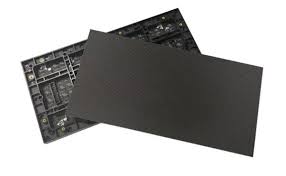
Key manufacturing stages and technical details:
1. Substrate Preparation and Panel Assembly: The foundation of any high-quality LED LCD screen is the thin-film transistor (TFT) array on a glass substrate. Precision layering and alignment of the TFT with liquid crystal molecules are critical to achieve high resolution and fast refresh rates. Leading manufacturers employ laser-assisted alignment techniques verified down to micrometer accuracy.
2. LED Backlight Integration: The transition from CCFL to LED backlighting introduces challenges and opportunities. Modern screens utilize either edge-lit or direct-lit LED arrays. Edge-lit designs require precise light guides made from optical-grade polymers with haze levels below 5% to maintain uniform brightness. Direct-lit systems benefit from local dimming zones controlled via digital drivers, enabling dynamic contrast ratios exceeding 100,000:1, a benchmark increasingly important for HDR content.
3. Color Enhancement and Calibration: Wide color gamuts such as DCI-P3 and Rec. 2020 are now industry standards for professional displays. This necessitates sophisticated quantum dot or phosphor conversion layers to accurately shift LED wavelengths. Comprehensive factory calibration using spectroradiometers ensures Delta E values below 2, guaranteeing color fidelity across viewing angles.
4. Thermal Management: LEDs generate heat that, if unmanaged, compromises lifespan and performance. Thermal conductivity optimized substrate materials like alumina and advanced heat sinks maintain junction temperatures within 85°C, enhancing reliability. According to JEDEC JESD51 standards, thermal resistance should be minimized to extend device operational life over 50,000 hours.
5. Quality Control and Testing: Rigorous testing protocols including luminance uniformity measurements, color temperature stability checks, and high dynamic range performance verification ensure consistency. Industry-wide benchmarks such as ISO 13406-2 define acceptable levels of defective pixels and screen uniformity deviations.
Emerging innovations influencing future manufacturing:
Micro-LED technology is increasingly integrated into LCD screens to further enhance contrast, reduce power consumption, and enable flexible form factors. Although expensive, hybrid micro-LED + LCD panels demonstrate potential for next-generation displays with peak brightness surpassing 2000 nits and refresh rates up to 240Hz.
Additionally, AI-driven process control automates defect detection during production, improving yield rates and reducing costs. Environmental regulations necessitate the adoption of green manufacturing practices such as lead-free soldering, low-VOC materials, and energy-efficient assembly lines compliant with RoHS and REACH directives.
Conclusion:
Producing high-performance LED LCD screens requires an intricate balance of precision engineering, advanced materials, and stringent quality frameworks. Manufacturers adhering to IEC and JEDEC standards, coupled with innovative techniques like micro-LED integration and AI-enabled inspection, are poised to meet the increasing demands of consumers and industries worldwide.
Understanding these critical factors equips professionals in the display industry with the knowledge to design, manufacture, and optimize LED LCD screens that deliver stunning visuals, durability, and energy efficiency, meeting the highest global standards.













