

Comprehensive Guide to LED Display Manufacturing: Technical Insights and Industry Standards
In the dynamic world of digital displays, LED technology stands at the forefront, revolutionizing visual communication across various industries. From vibrant advertising billboards to high-resolution indoor screens, the manufacture of LED displays demands a confluence of cutting-edge technology, stringent quality standards, and deep engineering expertise. This comprehensive guide aims to elucidate the critical technical parameters, manufacturing processes, and industry standards governing modern LED displays, providing valuable insights for manufacturers, engineers, and end-users alike.
1. Overview of LED Display Technology
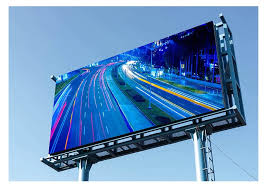
LED (Light Emitting Diode) displays utilize arrays of LEDs as pixels to create images and videos. Their advantages include high brightness, energy efficiency, wide viewing angles, and long lifespan. These characteristics make them suitable for outdoor and indoor applications ranging from stadium screens to control rooms.
The performance of an LED display hinges on several core parameters:
- Pixel Pitch: The distance between the centers of two adjacent pixels, directly affecting image resolution. Smaller pixel pitches (e.g., 1.2mm) offer finer detail suitable for indoor use.
- Brightness: Measured in nits (cd/m²), outdoor displays typically require 5,000 to 8,000 nits to maintain visibility under sunlight.
- Refresh Rate: The number of times per second the display updates, commonly above 1920 Hz to ensure flicker-free images.
- Contrast Ratio: Indicates the difference between the darkest and brightest parts of the image, crucial for image depth.
- Viewing Angle: Defines the horizontal and vertical angles where image quality remains consistent, typically over 140°.
2. LED Module Construction and Materials
An LED module is the foundational building block of a display. High-quality modules employ PCB boards with precise copper circuits, ensuring electrical stability and heat dissipation. LEDs are commonly arranged in Red, Green, and Blue clusters, with the most advanced products adopting surface-mount technology (SMT) LEDs for better uniformity.
Materials such as aluminum alloy frames and protective masks enhance mechanical robustness and weather resistance. According to IEC 60529 standards, outdoor modules often correspond to IP65 or higher, protecting against dust and water intrusion.
3. Manufacturing Process and Quality Control
The LED display manufacturing workflow involves multiple stages:
- PCB Fabrication: Multi-layer PCBs are designed to optimize signal integrity and thermal management. Controlled impedance lines minimize signal distortion.
- SMT Assembly: Automated pick-and-place machines accurately position LEDs and ICs on the PCB, followed by reflow soldering. High precision ensures pixel uniformity.
- Encapsulation: LEDs receive phosphor coatings to achieve accurate color temperature and protective resin layers to safeguard against UV and moisture damage.
- Module Assembly: After testing individual components, modules are assembled with connectors and housings.
- Calibration and Testing: Crucial for uniform brightness and chromaticity. Industrial spectroradiometers and colorimeters measure output, with calibration data stored in on-board chips.
World-class manufacturers adhere to ISO 9001 quality management systems, embedding checkpoints such as Automated Optical Inspection (AOI) and burn-in tests lasting 72 hours or more. These procedures address common issues like dead pixels and color inconsistency before shipment.
4. Advanced Technologies Elevating LED Displays
Recent advancements drive LED displays toward higher performance:
- Mini and Micro LED: With pixel pitches below 1mm, these technologies allow for UHD resolutions on large displays. Their micro-scale LEDs are fabricated with semiconductor techniques akin to those used in microelectronics.
- HDR Support: High Dynamic Range improves brightness and color gamut, enhancing visual realism.
- Smart Control Systems: Integration of FPGA and AI-driven software delivers adaptive brightness and content management, optimized for varying environments.
Case studies from top brands like Samsung’s The Wall and Leyard’s TVH series highlight the successful commercialization of these technologies, setting new benchmarks.
5. Industry Standards and Compliance
Adherence to industry standards ensures reliability and interoperability:
- IEC 62368-1: Safety requirements for audio/video equipment including LED displays.
- RoHS Directive: Restricts hazardous substances, supporting environmental sustainability.
- UL/CUL Certifications: Safety approvals for electrical components, integral for exports to North America.
- Energy Star: Offers benchmarks for energy efficiency, increasingly relevant amid global energy concerns.
Manufacturers must also address electromagnetic compatibility (EMC) and ensure proper grounding and shielding to minimize interference.
6. Practical Considerations in LED Display Deployment
Successful deployment involves:
- Site Analysis: Assess ambient lighting, viewing distances, and physical mounting constraints.
- Power Supply Design: Efficient power management reduces heat generation and improves lifespan.
- Installation Expertise: Professional handling prevents mechanical stress and ensures alignment.
- Maintenance Access: Modular designs facilitate quick repairs and minimize downtime.
7. Future Trends and Challenges
As LED display technology evolves, challenges such as cost reduction, scalability, and sustainability remain pivotal. The integration of IoT for remote diagnostics, advances in flexible and transparent displays, and the push for higher energy efficiency define the next generation.
Conclusion
The manufacture of LED displays embodies a technical symphony of precision engineering, material science, and rigorous quality control. By understanding and implementing advanced manufacturing practices, adhering to international standards, and embracing technological innovations, industry professionals can deliver superior displays that meet diverse application demands.
This article draws upon extensive practical experience, global standards, and recent case studies to provide an authoritative resource for anyone involved in the LED display industry.
References:
- IEC 60529: Degrees of protection provided by enclosures (IP Code)
- IEC 62368-1: Audio/video, information and communication technology equipment – Safety requirements
- ISO 9001: Quality management systems – Requirements
- Samsung Electronics, The Wall Technical Data Sheet
- Leyard Group, TVH Series Product Specifications
- RoHS Directive (2011/65/EU)
- Energy Star Program Requirements for Displays













