

Indoor Digital Display Screen: Technology, Applications, and Industry Insights
In the rapidly evolving landscape of visual communication, indoor digital display screens have become essential tools for advertising, information dissemination, and interactive engagement in numerous environments such as retail stores, corporate offices, airports, and entertainment venues. As a professional LED display engineer with extensive industry experience, this article delves into the technical parameters, manufacturing insights, and real-world applications that define the modern indoor digital display screen marketplace.
Technical Overview and Specifications
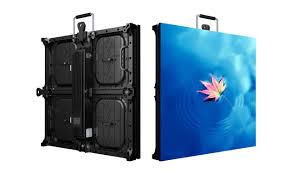
Indoor digital display screens primarily utilize LED (Light Emitting Diode) or LCD (Liquid Crystal Display) technologies, each with innovative advancements tailored to specific use cases. A key characteristic distinguishing indoor from outdoor displays is pixel pitch—the distance between the centers of adjacent pixels—often ranging between 0.9mm to 4mm in indoor screens. This parameter is critical for defining the viewing distance and image clarity; tighter pixel pitches yield higher resolutions suited for close-range viewing.
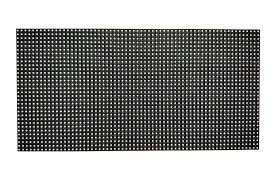
Typical indoor LED screens feature:
- Brightness levels: Generally between 800 to 1,200 nits, optimized for controlled indoor lighting to prevent glare and maintain color accuracy.
- Refresh rates: Modern indoor screens boast refresh rates of ≥3840Hz, ensuring flicker-free images suitable even for high-quality video capture.
- Color gamut and calibration: Advanced calibration techniques deliver wide color gamuts (>90% NTSC), essential for vibrant and true-to-life visuals.
- Viewing angle: Wide horizontal and vertical viewing angles (≥160°) ensure visibility from diverse audience positions without loss of brightness or contrast.
Manufacturing Standards and Quality Control
Adherence to industry standards such as IEC 62087 (for audiovisual equipment energy measurement) and ANSI C82.77 (harmonics and power quality) is vital to ensure energy-efficient and safe operation. High-end indoor displays incorporate superior LED binning processes for consistent chromaticity and luminance performance across the panel, critical to prevent visual irregularities.
Manufacturing entails stringent quality assurance methods, including:
- Burn-in testing: Prolonged operational tests (48-72 hours) to flag early failures.
- Thermal management: Advanced heat dissipation techniques (e.g., aluminum backplates and active cooling) to maintain optimal diode lifespan and brightness stability.
- Ingress protection: Although designed for indoor use, certifications like IP30 ensure basic dust resistance.
Applications and Case Studies
Indoor digital screens enable dynamic content presentation that traditional static signage cannot match. In the retail industry, for instance, screens enhance customer engagement by displaying real-time promotions and interactive catalogs. An illustrative case is the deployment of fine-pitch LED walls in luxury fashion stores, which increased foot traffic by over 20% due to their visually captivating displays.
In corporate environments, LED and LCD video walls optimize conference room communications delivering 4K resolution for detailed presentations. Airports and public transit hubs leverage indoor screens for real-time updates, improving passenger experience and operational efficiency.
Emerging Trends and Future Directions
The integration of AI-driven content management systems with indoor digital displays facilitates personalized marketing campaigns and predictive analytics, transforming passive displays into interactive customer touchpoints.
Moreover, innovations such as MicroLED technology promise superior brightness, energy efficiency, and longevity compared to conventional LEDs, poised to revolutionize the indoor display sector.
Conclusion
Indoor digital display screens represent a convergence of cutting-edge display technology, meticulous engineering, and practical design tailored for diverse indoor applications. By understanding their technical attributes and deployment contexts, businesses can leverage these displays to achieve impactful communication and branding outcomes. Compliance with international standards and ongoing innovations further solidify indoor digital screens as indispensable tools in modern visual media.













